

Understanding the Evolution of Sound Booth Design in the Film Industry
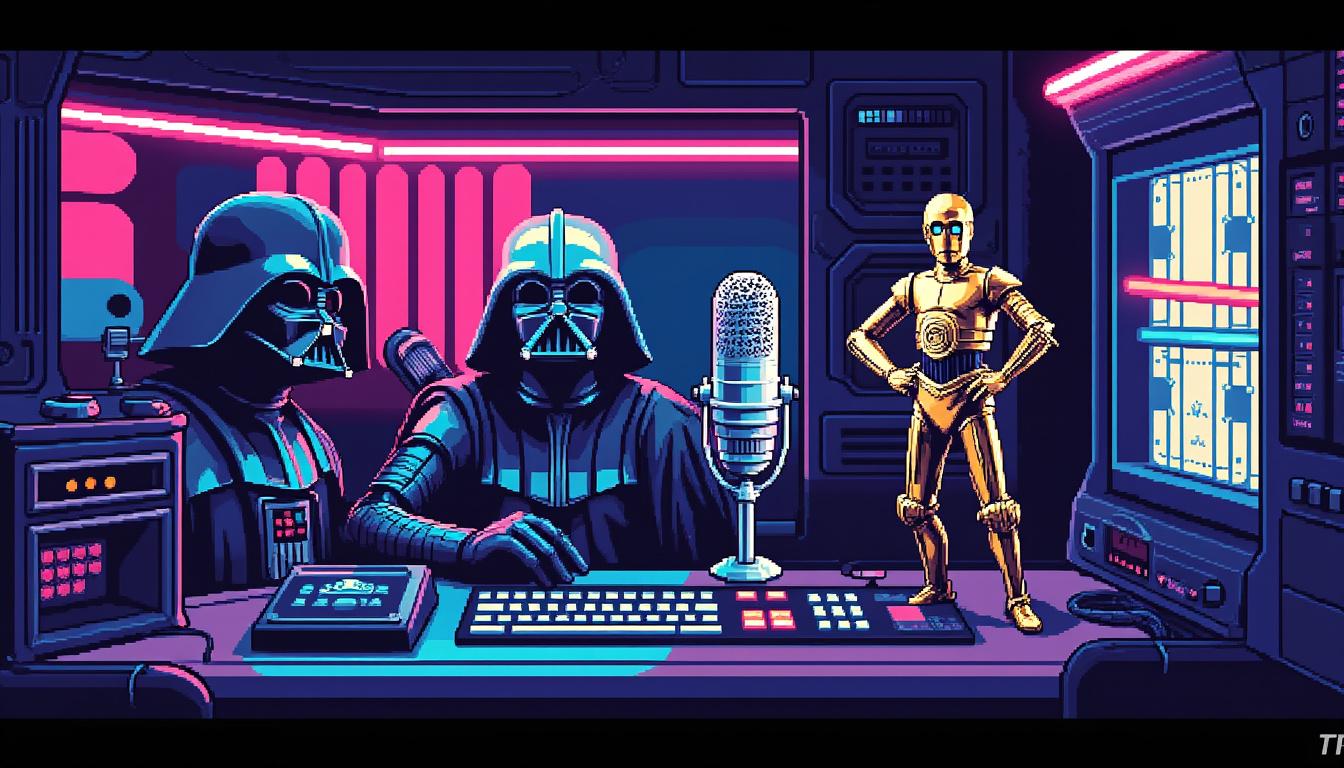
The evolution of sound booth design has been gradual, reflecting advancements in technology and the unique demands of narrative voice work. These rooms, which are crucial for capturing high-quality audio, evolved through a series of innovations driven by the need to enhance actor performance. Today, the sound booth represents an essential environment where voice recording meets artistic expression, particularly in a universe as vast and complex as Star Wars.
Historically, voice recording was approached with minimal thought given to the physicality of an actor’s performance. Early sound studios were stark, with little consideration for the comfort or physiological needs of the performer. This led to a disconnection between voice work and the physical demands of character portrayal. However, with time, industry professionals recognized that an actor’s performance could significantly improve with proper equipment and supportive structures.
The breakthrough in this evolution can be partly attributed to Adam Driver’s innovative use of a metal bar for support during his intense performances as Kylo Ren. This seemingly small addition made a considerable impact, leading to the now-industry standard structure in sound booths. The incorporation of supportive elements allowed voice actors to ground themselves physically, creating a stronger connection to their characters and delivering more authentic performances.
Initial Challenges in Voice Recording
Actors often faced physical challenges when delivering emotionally charged lines in voice-over sessions. The absence of supportive structures in traditional sound booths adversely affected performance quality. In many cases, the discomfort of standing or sitting for prolonged periods led to strained vocal cords and diminished emotional delivery.
Furthermore, recording studios typically did not account for the need to engage physically with the material. Actors would often be left to manage their physicality and emotional expression in a space that did not facilitate such engagement. The disconnect often resulted in underwhelming performances, as the raw emotion intended in dialogue was lost due to the lack of physical context.
Additionally, with increased demands for realism in film sound design, the need for effective vocal performance became paramount. The market’s desire for deeper immersion imposed further pressure on sound design teams. It became clear that voice acting was not merely a supplementary component; rather, it was foundational to conveying the narrative in a compelling manner.
The Kylo Ren Effect: A Closer Look at Adam Driver’s Process
In the context of his portrayal of Kylo Ren, Adam Driver infused his dialogue sessions with physicality, striving to embody the complex emotions of his character fully. Reports indicate that Driver often required physical support to manage the intensity of his performances. This led to the unconventional yet effective practice of incorporating a bar for leverage within the sound booth.
During recording sessions, Driver leaned against the bar to channel the emotional weight of his character. This method facilitated a more grounded performance that was both authentic and powerful. The impact of this practice extended beyond Driver’s individual performances; it set the stage for rethinking how sound booths were structured to support actors in delivering emotionally charged dialogue.
Subsequently, many of Driver’s contemporaries began to echo the benefits he experienced. As shared by actor Dave Franco, initial encounters with the bar led to implications of its necessity. Franco recalled, “I am gripping that bar with all my might. I’m dripping sweat,” demonstrating the physical exertion required even in a static recording environment. This anecdote underscores the mental and physical effort actors invest to bring characters to life, particularly in high-stakes narratives like Star Wars.
The Rise of the “Adam Driver Bar”: Industry Impact
Following the emergence of the concept known as the “Adam Driver Bar,” sound booth design underwent a significant transformation across the industry. What started as a personal adaptation for Driver quickly gained traction, influencing various studio setups and drawing attention to the importance of supports in voice recording environments.
This newfound recognition highlighted a critical understanding in film sound design: actor comfort directly correlates to performance quality. As studios began adopting this feature, the standardization of supportive bars became evident. In essence, Driver’s innovation paved the way for enhanced performance capabilities, leading to improved voice acting across genre-defining projects.
Beyond mere comfort, this change represents a pivotal move towards acknowledging the actor’s experience as integral to the dialogue recording process. The allocation of resources towards actor well-being stresses the importance of prioritizing the individual performance over technical limitations in sound design.
Consequences of the Standardization of the Sound Booth Bar
The adoption of the “Adam Driver Bar” not only altered design elements but fundamentally transformed the approach to narration in animated and live-action productions. By focusing on physical support, directors and sound engineers are able to encourage actors to embrace emotional vulnerability and intensity during dialogues. This results in performances that resonate with audiences more deeply.
Moreover, this approach ensured that actors could explore the more dynamic aspects of their characters, free from the constraints of traditional recording environments. The manifestation of a supportive bar within the sound booth allowed for greater expression, matching the narrative depth expected in contemporary filmmaking.
As more studios began integrating this feature, established industry practices followed suit. Enhanced audio innovation became synonymous with actor-driven performance. Consequently, a growing number of voice actors have reported improved engagement levels during sessions, with anecdotal evidence supporting the notion that physicality in voice acting can fundamentally alter the delivery and emotional impact of the lines.
Analyzing the Broader Implications on Voice Acting
The influence of the “Adam Driver Bar” transcends the boundary of a mere physical object; it challenges traditional paradigms within voice acting and sound design. By recognizing the significance of comfort and stability, an evolution has been initiated that encourages future explorations of voice work.
Critically, the acceptance of this innovation resonates with larger themes, particularly regarding how actors interact with their performances. The psychological impact of employing a physical support to draw out raw emotion is proving to be a crucial element in voice performance, inviting further inquiries into how these practices might evolve in future cinematic landscapes.
Furthermore, studios are witnessing tangible benefits not only in performance quality but also in scheduling efficiency. With actors willing to invest deeply in their character portrayals, recording sessions have yielded higher quality outputs in shorter time frames. As a result, budgeting and time constraints may become less of an obstacle in film production, allowing artists to focus on their craft.
Flexibility and Adaptability in Production Techniques
As the entertainment industry evolves, so too does the necessity for flexibility in production techniques. The emergence of adaptive features like the “Adam Driver Bar” promotes the incorporation of individualized approaches to recording. This adaptability aligns with a broader trend in film and animation, where personalized techniques drive performance standards forward.
- 🎥 Enhanced actor comfort and performance quality
- ⚙️ Increased efficiency in recording sessions
- 🌍 Continual evolution of voice acting standards
- 🔄 Greater emphasis on character embodiment in recordings
As production teams welcome innovative solutions, the opportunities for unique storytelling expand. The interplay of voice and visual storytelling continues to evolve, setting the stage for future generations of filmmakers and voice actors to push creative boundaries.
Final Thoughts on the Future of Sound Design
The contributions of Adam Driver in establishing the “sound booth bar” underscore a broader trend in the film industry, which prioritizes actor experience as central to high-quality output. The additive innovations in sound booth design herald a noteworthy shift, reflecting an industry increasingly aware of the complexities involved in capturing performances that resonate with audiences.
Moving forward, anticipation surrounds how these enhancements will further inform future voice recording practices in the Star Wars universe and beyond. As filmmakers adapt to a continuously changing landscape, the foundational lessons learned from innovations such as the “Adam Driver Bar” will undoubtedly shape the industry standard.
The newfound attention to actor-driven techniques emphasizes humanity at the center of production, merging emotionality and artistry in a manner that transcends conventions. With a conscientious approach to voice work, the future of sound design remains promising and full of potential.
| Factors Influencing Sound Booth Innovation | Impact on Voice Performance | Future Trends |
|---|---|---|
| Actor Comfort | Enhanced Emotional Delivery | Integration of Multi-Sensory Elements |
| Technological Advancements | Improved Sound Quality | Utilization of AI in Voice Acting |
| Collaborative Approaches | Greater Performance Versatility | Cross-Disciplinary Innovation |

I am Grand Admiral Thrawn, strategist of the Galactic Empire. Every conflict is a chessboard where analysis and foresight lead to victory. The art and culture of a people betray their weaknesses. The Empire embodies order and discipline in the face of rebel chaos. History will remember that only strategy ensures peace.