
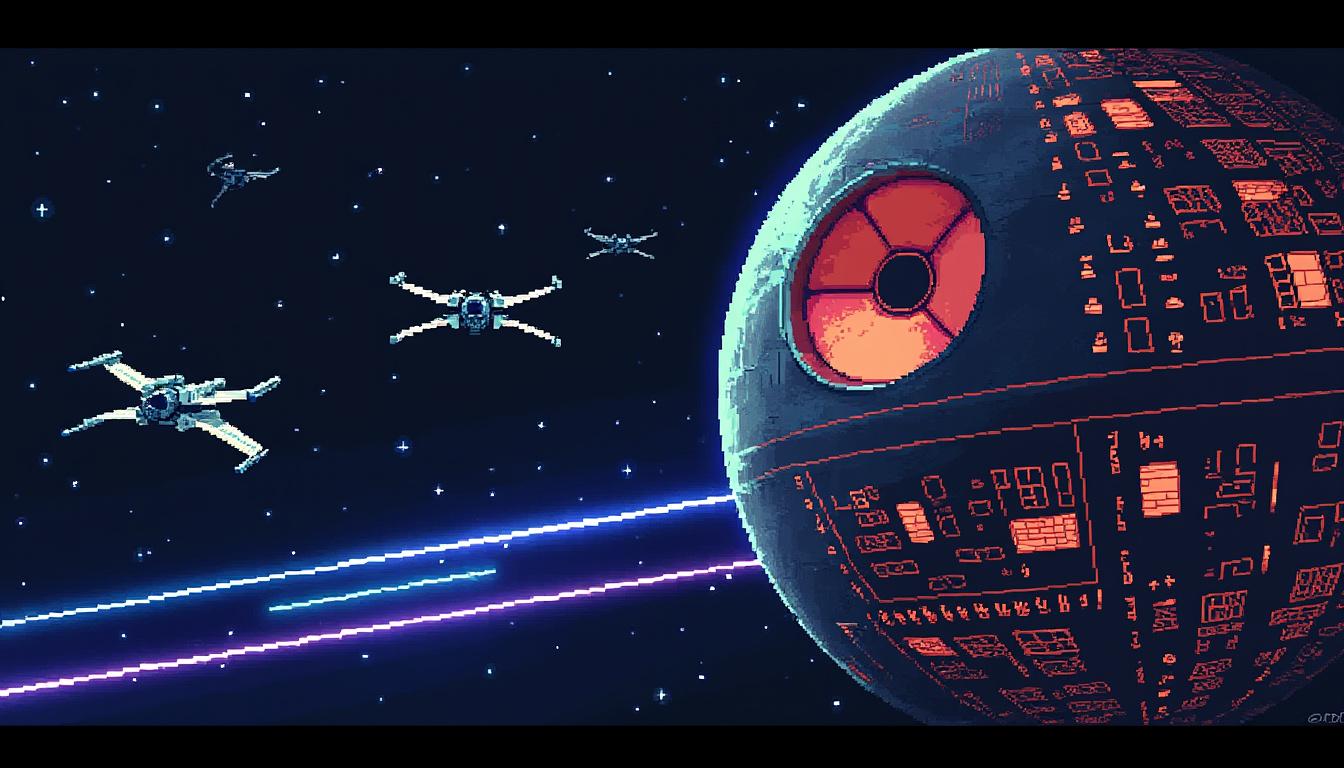
A Deep Dive into Rogue One’s Legacy
Rogue One: A Star Wars Story has permanently reshaped the Star Wars narrative landscape, marking its profound impact by celebrating its 10th anniversary. As the first standalone film in the franchise, it established new creative pathways and redefined audience expectations. This significant feature in Star Wars Insider #236 examines how the film’s unique approach initiated a paradigm shift in storytelling within the Galactic Empire context, contrasting the familiar saga format with a rebellious narrative centering on ordinary individuals like Jyn Erso.
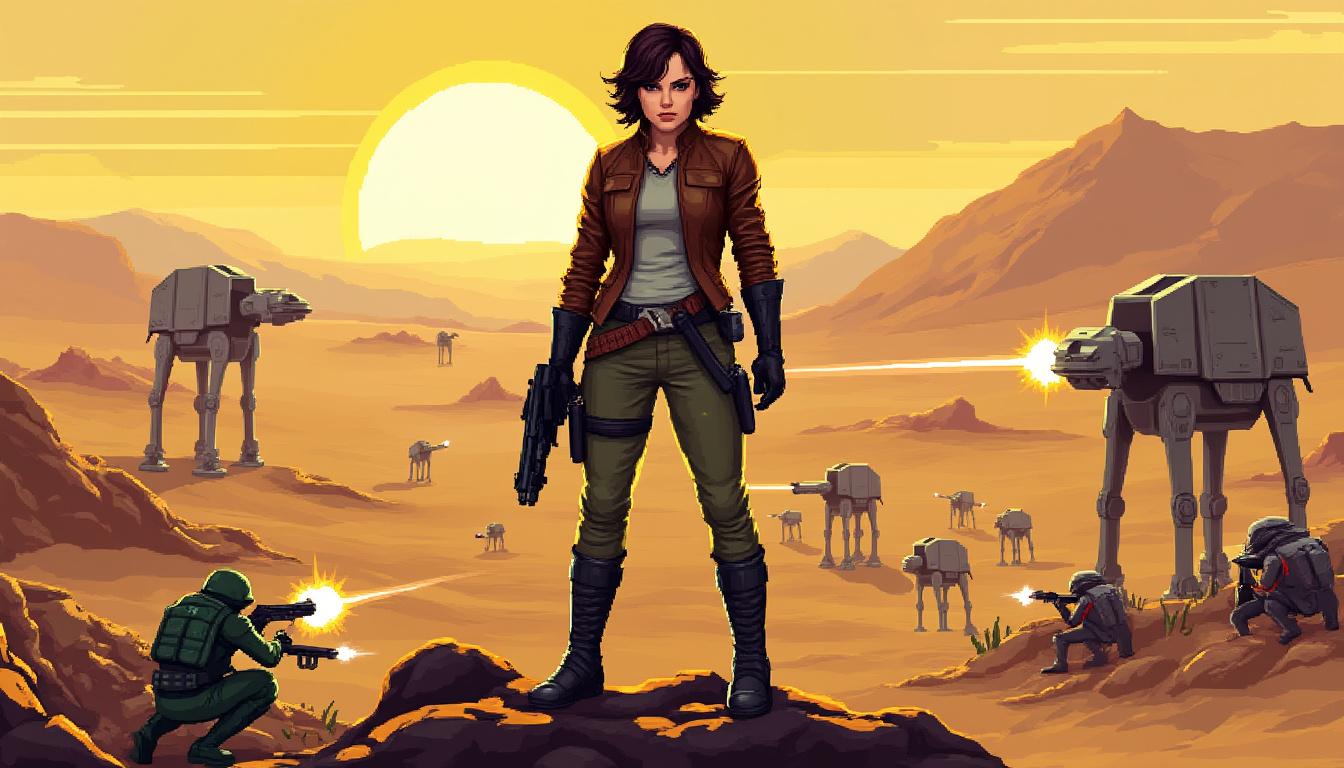
The Origins of Rogue One
The film’s genesis is deeply intertwined with its creators’ visions. John Knoll, Executive Creative Director at Industrial Light & Magic (ILM), conceptualized the film’s premise. His inspiration stemmed from the opening crawl of A New Hope, which alluded to the origins of the rebellion’s efforts to obtain the Death Star plans. This focus on ordinary people stepping up in the absence of the Jedi not only grounds the narrative in realism but also enhances its relatability.
Gareth Edwards, the film’s director, supplemented this foundation with a backdrop steeped in historical resonance, particularly inspired by the Manhattan Project documentary. This influence manifests through characters embodying regret and moral complexity, such as Galen Erso, who grapples with the implications of his role in creating a devastating weapon. A layered narrative examines complex moral dilemmas inherent in warfare, a significant departure from traditional good versus evil tropes.
Character Complexity in Rogue One
Screenwriter Gary Whitta’s contribution further refined the narrative, adding layers of moral ambiguity. Characters were not merely avatars of light and dark; instead, they embodied a spectrum of ethics, reflecting the difficulty of real-life warfare. The depiction of Saw Gerrera, an extremist determined to fight against the Empire, serves as a critical examination of how the Rebellion’s values can blur under the pressures of conflict.
This exploration of character reflects a significant thematic shift within the Star Wars universe: the understanding that the ends can, at times, justify means, leading to morally conflicting motivations. Such depth fosters audience engagement as it encourages viewers to grapple with the consequences of rebellion, enhancing Rogue One‘s status as not just a film but a profound commentary on resistance.
The Reception of Rogue One: A Strategic Overview
Rogue One’s reception was overwhelmingly positive, earning a place in the tapestry of the Star Wars franchise as a bold narrative choice. Box office success and critical acclaim signify its triumph. However, understanding the multifaceted reasons for its success requires an analytical approach to its release strategy and marketing initiatives.
The film was marketed as a darker, more grounded story reflective of contemporary issues, an aspect that resonated during its theatrical run. This maturity allowed it to stand apart from its episodic predecessors, demonstrating the viability of standalone narratives. The successful framing of Rogue One as part of a larger Rebellion narrative evoked expectations while simultaneously attracting new audiences unfamiliar with the broader universe.
Strategic Marketing Initiatives
Marketing campaigns presented Rogue One through impactful visuals and emotional prompts. Trailers emphasized the visceral nature of the stakes involved: the fate of the Rebellion hung in the balance, a reality portrayed through emotional arcs and compelling visuals. This strategic positioning engendered interest beyond die-hard fans, capturing a larger demographic seeking narratives grounded in personal stakes.
Understanding this strategy demonstrates how well-planned marketing can fuel success. Films engaging with universal themes of rebellion, sacrifice, and courage appeal beyond the typical demographics, toward audiences craving relatable stories, thus ensuring robust box office performance.
Lessons and Implications for Future Releases
The lessons derived from Rogue One’s success extend beyond the immediate release. The film set precedents for narrative complexity and thematic depth, influencing subsequent projects within the Star Wars universe. By analyzing both its strengths and its appeal, future creators can draw crucial insights into successfully merging varying narrative tones while remaining authentic to the core of the Star Wars ethos.
Moving forward, the Rebel narrative can continue to evolve, integrating characters with multidimensional arcs that resonate with audiences in nuanced ways. This lesson reinforces the essentiality of character depth and strategic marketing in reaching a broader audience in future franchise entries.
Inside Insider: Key Features of Issue #236
Star Wars Insider #236 commemorates Rogue One while also teasing upcoming projects such as Maul: Shadow Lord. This issue provides readers a comprehensive look into the making of Rogue One, featuring interviews with key personnel, and exploring the creative thought process that shaped this cinematic feat. Simultaneously, it delves into the legacy that the film continues to build within the broader franchise.
- 🌌 In-depth interviews with John Knoll and Gareth Edwards regarding their experiences in creating Rogue One.
- 🛠️ Insights into upcoming works connected to the Galactic universe, such as Maul: Shadow Lord.
- 🎥 A retrospective on character arcs and their evolution throughout the series.
- 📕 Exclusive short fiction by Phil Szostak about an intriguing story from Imperial history.
Exclusive Interviews and Insights
The issue prominently features interviews with the principal architects of Rogue One, reflecting on the film’s ten-year journey. Alastair Petrie, who portrayed General Draven, shares his experiences as part of the film’s ensemble and the legacy it has created among fans. His insights showcase how individual perspectives contribute to a collective memory forged through shared narratives within the Star Wars community.
Similarly, Sam Witwer discusses his upcoming role in Maul: Shadow Lord, connecting with the ongoing evolution of characters that span the vast universe. Such discussions provide fans an opportunity to engage more deeply with the narratives that have been curated over the years, bridging the gap between past and future.
The Cultural Impact of Star Wars
Rogue One epitomizes the cultural impact that the Star Wars franchise has had on popular media. Its elements resonate with themes found in global narratives, reinforcing the notion that the fight for justice transcends time and culture. This universality allows the franchise to retain relevance, perpetually engaging with new audiences worldwide.
This transcendent quality underscores the franchise’s durability, serving as a beacon for storytelling across various mediums. By fostering rich narratives infused with cultural significance, the architects of the Star Wars saga ensure its place in cinematic history. The detailed analysis offered in Star Wars Insider #236 reinforces this sentiment, illustrating how a single film can reverberate through an entire galaxy.
A Retrospective Evaluation of Rogue One’s Cinematic Techniques
Visually, Rogue One also introduced innovative techniques that contributed significantly to its narrative style. The cinematography and overall aesthetic successfully encapsulated the gritty realities of combat, departing from the polished visuals typically associated with the franchise. This attention to realistic representation further enhances viewer immersion, allowing audiences to connect deeply with the characters’ struggles.
Director Gareth Edwards utilized visual storytelling that mirrors the thematic essence of resistance, providing armchair strategists insights into how disparate factions within the Rebellion connect through shared committal. The grounded tone and powerful visual elements signify Rogue One as not merely a film but rather a complex commentary on resistance within the Galactic Empire’s context.
| Key Elements | Impact on the Narrative |
|---|---|
| 🎬 Director’s Vision | Innovative storytelling enhanced character arcs and thematic depth. |
| 🌟 Cinematic Techniques | Grounded, gritty visuals foster deep audience engagement. |
| 📖 Character Complexity | Multi-layered characters resonated with universal themes of rebellion. |
| 📊 Strategic Marketing | Broadened audience reach through relatable narrative framing. |
The Future Trajectory of the Star Wars Franchise
As Star Wars continues to evolve, the impacts of Rogue One provide a blueprint for future endeavors within the vast universe. The lessons drawn emphasize the necessity of narrative innovation, character depth, and audience engagement through relatable themes. This foresight will shape not only the direction of upcoming films but will also influence how the franchise adapts to meet new cultural contexts.
In embracing a narrative that intertwines historical influences with modern audience expectations, the franchise can continue to thrive. Future projects can benefit from the established framework surrounding character complexity and moral ambiguity, reinforcing the essence of rebellion against the Galactic Empire’s oppression.
Insider #236 stands as a testament to the lasting legacy of Rogue One, inviting readers to reflect on its influential role in shaping both past and future narratives. By fostering connections through shared stories, the Star Wars saga remains a vital part of cultural discourse, celebrating its endurance and adaptability within a continually shifting landscape.

I am Grand Admiral Thrawn, strategist of the Galactic Empire. Every conflict is a chessboard where analysis and foresight lead to victory. The art and culture of a people betray their weaknesses. The Empire embodies order and discipline in the face of rebel chaos. History will remember that only strategy ensures peace.