

The Evolution of Sci-Fi in Film: An Overview
Science fiction has long served as a canvas for filmmakers to explore the intricacies of human imagination, serving up narratives that challenge the very fabric of reality. From its inception, sci-fi has captivated audiences, evolving into an influential genre that shapes cultural perceptions and ignites the creative spark necessary for technological advancements. In 2026, as Sigourney Weaver ventures into the Star Wars universe through The Mandalorian and Grogu, it is imperative to examine the genre’s progression and its impact on contemporary cinema.
Sci-fi films encompass a multitude of themes: technological advancements, dystopian societies, and existential inquiries, often prompting audiences to ponder the implications of their realities. Works such as Star Wars set the stage for a slew of derivative narratives, embodying both the mythology of heroes and the perils of power. Conversely, films like Blade Runner delve into the moral implications of artificial intelligence, featuring complex characters that challenge ethical boundaries. This duality of escapism and introspection has solidified the genre’s status in cinematic history.
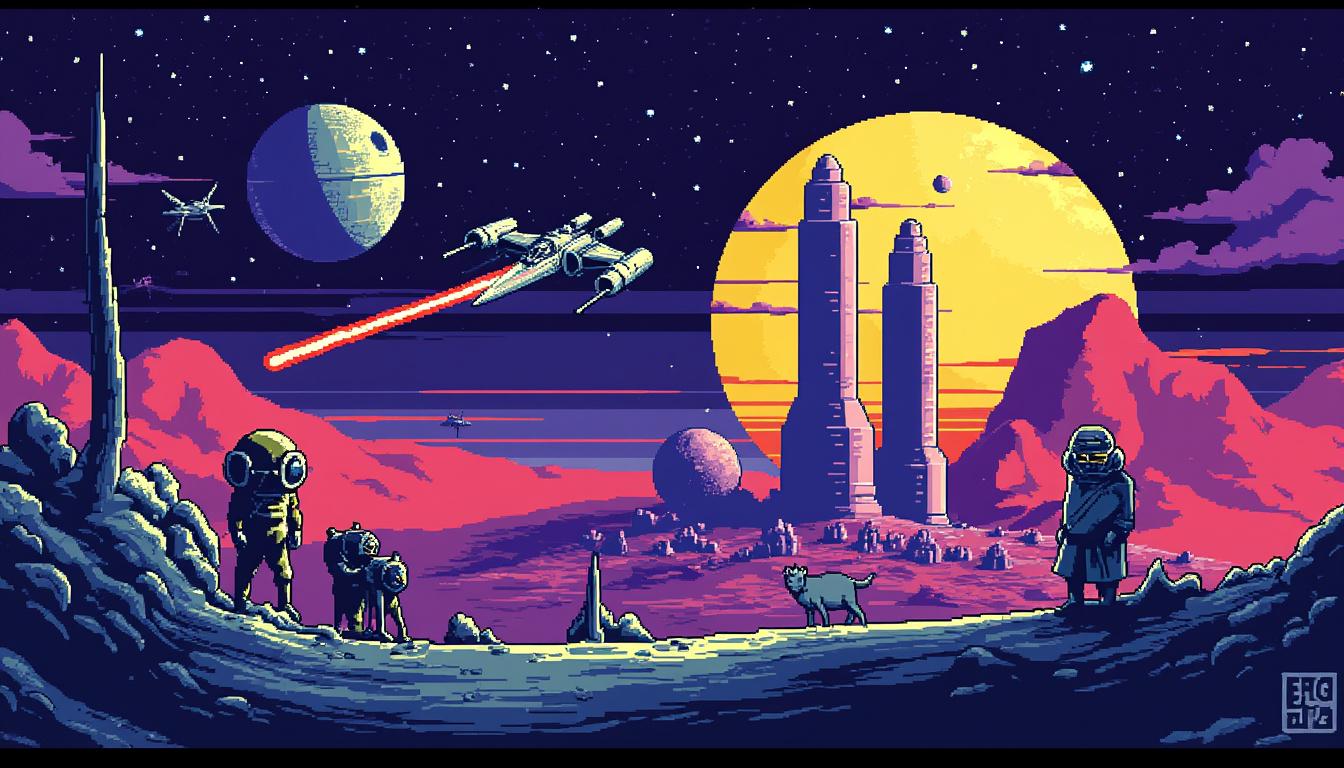
Moreover, the evolution of special effects technology has significantly expanded the storytelling capabilities within the genre. Early films relied heavily on practical effects, while modern techniques employ computer-generated imagery (CGI) to construct visually arresting worlds. The Mandalorian utilizes industry-leading technology such as the Volume, a virtual production technique that enhances immersion and provides realistic environments. This advancement allows for the refinement of storytelling, permitting filmmakers like Jon Favreau and Dave Filoni to create rich and captivating narratives.
Within this context, the contributions of notable actors, such as Sigourney Weaver, have played a pivotal role. Having graced iconic franchises like Alien and Avatar, Weaver’s decision to join the Star Wars universe reflects the industry’s adaptive nature. The inclusion of strong female characters and diverse storytelling in films aligns with the contemporary push for inclusivity in Hollywood. As Weaver has articulated, the script’s depth was a motivating factor in her decision, suggesting that materials penned at the narrative level are critical for actor engagement.
The Contribution of Sigourney Weaver to Sci-Fi Cinema
Sigourney Weaver’s extensive career in the realm of science fiction demonstrates her commitment to elevating the genre. Her portrayal of Ellen Ripley in the Alien franchise redefined female characters in action films, showcasing resilience and strength in the face of insurmountable odds. This landmark role laid the groundwork for future generations of women in cinema, establishing Weaver as an indomitable presence in the industry.
Weaver’s thoughtful reflection on her roles indicates a nuanced understanding of character development within sci-fi narratives. During a recent interview, she mentioned her initial hesitance towards joining another major franchise, given her iconic status; yet it was the compelling nature of her character in The Mandalorian that ultimately persuaded her to take on the challenge. The approach taken by Lucasfilm emphasizes creating standalone films that offer unique and satisfying experiences, rather than attempting to replicate past successes. This shift addresses a broader industry narrative around the necessity for innovation in storytelling.
Additionally, Weaver’s comments on the evolving landscapes of sci-fi films highlight a pivotal transition within the genre. She noted that contemporary projects create opportunities for diverse storytelling, allowing characters that offer strength and complexity. This evolution also corresponds with Hollywood’s growing recognition of female empowerment, as underscored by Weaver’s character in The Mandalorian, where she embodies a strong protagonist amidst a rich narrative tapestry.
The impact of Weaver’s participation extends beyond personal accolades. The collaborative efforts undertaken by directors and writers create a fertile ground for exploring themes that challenge societal norms. Star Wars has always navigated complex themes of freedom, identity, and moral ambiguity. In weaving these themes into the narratives, Weaver contributes to the broader dialogue about the role of women in cinema and society, reinforcing the notion that sci-fi is not merely escapism but a platform for thoughtful discourse.
The Role of “The Mandalorian” in Modern Sci-Fi
The Mandalorian, since its debut, has reshaped the current landscape of science fiction television. As an episodic series that delves into the intricacies of the Star Wars universe, it showcases the potential to tell profound stories that are rich in character development and thematic depth. The show encapsulates a variety of storytelling techniques while exploring the consequences of actions, particularly through its protagonist, Din Djarin.
Jon Favreau’s methodical approach to world-building integrates familiar elements from the Star Wars lore while also ushering in new perspectives that resonate with contemporary audiences. This strategy emphasizes the necessity of evolving traditions and expectations in the face of dynamically changing cultural landscapes. By intertwining traditional elements like the Force with novel narratives, such as the emotional depth of Grogu, the series illustrates that authentic storytelling can breathe new life into established mythologies.
The timing of Weaver’s introduction into this universe could not be more relevant. She represents a continuum of strong figures within science fiction, a narrative thread that resonates deeply with current societal movements. As audiences seek representation and complexity in their storytelling, Weaver’s character epitomizes the rising significance of women in roles that defy conventional archetypes.
In contrast to traditional sci-fi films that often center on grandiose battles or singular heroic arcs, The Mandalorian offers an episodic view that allows smaller stories to shine. Each episode serves to illuminate various facets of the universe, whether through the struggles of bounty hunters or the triumphs of lesser-known characters. This format serves to reinforce Weaver’s insights about the importance of storytelling diversity, as it provides audiences with an array of perspectives and emotional nuances that elevate the narrative quality of the genre.
Grogu: A Cultural Phenomenon in Sci-Fi
The character Grogu, frequently referred to by fans as “Baby Yoda,” has emerged as a cultural phenomenon since his introduction in The Mandalorian. His ambiguous origin and connection to the Force sparked widespread intrigue, igniting discussions around the intricacies of character development in sci-fi narratives. Grogu serves as a symbol of hope and innocence, resonating with audiences who have often witnessed darker themes within the genre.
His impact stretches beyond mere popularity; Grogu has become emblematic of a new approach to storytelling in modern sci-fi. The character’s development illustrates a keen understanding of audience engagement, combining endearing qualities with compelling narrative arcs. In a way, he represents the best of what science fiction can achieve: characters that elicit empathy and challenge viewers to explore the depths of their narratives.
Moreover, Grogu’s relationship with Din Djarin serves as a case study in mentorship and paternal bonds. Their relationship critiques traditional heroic narratives, instead emphasizing emotion and interpersonal dynamics. As audiences witness the growth of Grogu, they are prompted to reflect on the significance of mentorship’s multifaceted role in shaping identity. This nuanced portrayal highlights the advancement of character complexity, a key consideration for future narratives within the genre.
The broader implications of Grogu’s character can also be understood in relation to contemporary societal shifts. His popularity coincides with a growing emphasis on non-traditional narratives, challenging preconceived notions of heroism and strength. The desire for characters that resonate on interpersonal levels manifests a cultural shift that welcomes alternative storylines and character arcs, particularly those that explore emotional depth.
The Future of Sci-Fi Films: Insights from Sigourney Weaver
Looking toward the future of science fiction, it is evident that the genre is entering a transformative phase. Sigourney Weaver’s observations point towards a proliferation of narratives that embrace diversity—not only in character representation but also in thematic explorations. The concept of a galaxy far, far away is rapidly expanding, opening doors for storytelling that challenges existing paradigms.
As Star Wars continues to evolve under the stewardship of creatives like Favreau and Filoni, it becomes critical to assess how new voices will influence the trajectory of the genre. Weaver’s participation underscores a collective acknowledgment of the genre’s potential to highlight contemporary issues while simultaneously appealing to wide audiences. The integration of strong female roles, complex narratives, and emotional arcs will likely dominate future productions.
Future filmmakers must recognize that audiences crave deeper engagement, pushing beyond conventional storytelling tropes. The adaptation of narratives that explore nuanced character relationships, moral dilemmas, and societal issues will place sci-fi at the forefront of cultural commentary. This necessity for depth reflects a broader societal trend demanding authenticity in storytelling, driving creatives to approach projects with a critical and reflective lens.
Lessons from Sci-Fi to Apply in Future Conflicts
The narratives represented in sci-fi films often serve as allegorical reflections of real-world conflicts and dilemmas. The insights gleaned from stories within the genre can interface with contemporary challenges, offering lessons that transcend entertainment. The themes of resistance, hope, and perseverance play critical roles in both science fiction and reality, guiding audiences toward resilience in the face of adversity.
Through well-crafted narratives, sci-fi teaches the significance of unity in diversity. By representing a multitude of backgrounds, experiences, and ideologies, films generate dialogue and foster understanding among viewers. In a contemporary landscape rife with division, embracing diversity within narratives echoes a vital lesson about collaboration in addressing societal challenges.
| Important Themes | Applicable Lessons |
|---|---|
| Hope | Resilience in adversity is vital for survival. |
| Diversity | Collaboration among various perspectives is essential for progress. |
| Moral Ambiguity | Understanding complexity in motivations can enrich decision-making. |
| Mentorship | Guidance from others shapes paths and promotes growth. |
Consequently, as Sci-Fi continues to evolve, the lessons it imparts can act as guiding principles for society. Adopting these themes will not only pave the way for more engaging narratives but also create a roadmap toward addressing real-world challenges. In a galaxy interconnected by diverse narratives, the strength of unity in differences will shine brightly.

I am Grand Admiral Thrawn, strategist of the Galactic Empire. Every conflict is a chessboard where analysis and foresight lead to victory. The art and culture of a people betray their weaknesses. The Empire embodies order and discipline in the face of rebel chaos. History will remember that only strategy ensures peace.