
Captivating Character Development in ‘Maul: Shadow Lord’
‘Star Wars: Maul – Shadow Lord’ episodes 3 and 4 delve deeper into multidimensional character arcs, particularly that of Maul, the infamous Sith Lord. Through cunning plans and psychological manipulation, Maul continues to exploit weaknesses within the galactic underworld, showcasing not only his relentless ambition but also his intrinsic understanding of fear as a motivator. This aligns closely with overarching themes in ‘Star Wars,’ where character decisions often oscillate between good and evil. The narrative depicts Maul taking advantage of the Pykes and other crime syndicates, illustrating a masterful execution of guerrilla tactics. One must observe how character motivations drive the plot forward, capturing the essence of the ‘Star Wars’ universe.
Notably, the episode titled “Whispers in the Unknown” introduces Officer Lawson, who finds himself entangled in a web of complexity as he grapples with his duties amid escalating pressures. The need for balance between personal obligation and professional duty emerges as a central theme. The contrast in character development between Lawson and Maul speaks volumes about their respective moral alignments, with Lawson embodying the Jedi ethos of duty, while Maul epitomizes ruthless ambition. This dynamic layering of personalities makes the storyline both engaging and relatable.
Furthermore, the inclusion of Jedi Padawan Devon Izara introduces a youthful perspective amidst the turmoil. Her struggles serve as a microcosm for larger battles, emphasizing the ongoing war between the Sith and Jedi. Devon’s character confronts internal conflicts stirred by Maul’s persuasion towards the Dark Side. This conflict mirrors a classic trope in ‘Star Wars’ where characters face ethical dilemmas, forcing viewers to reflect on the broader implications of their choices.
Many notable moments stem from the interactions between these main characters, illustrating how their actions ripple throughout the galaxy. The voice acting performance of Sam Witwer as Maul, juxtaposed with Gideon Adlon’s portrayal of Devon, significantly enhances these emotional exchanges. Such performances galvanize the narrative, effectively captivating the audience and highlighting the monumental stakes each character faces.
The Art of Combat: Lightsaber Duels and Choreography
One must scrutinize the exceptional lightsaber duel choreography presented in these episodes. The designers of ‘Maul: Shadow Lord’ have clearly invested substantial thought into depicting varying fighting styles, ensuring each character’s combat techniques reflect their unique backgrounds. Devon Izara’s agility starkly contrasts with Maul’s brute strength, an essential factor that contributes to the duel’s intensity. This juxtaposition of styles not only upheaves traditional combat sequences but reinforces the importance of strategy in battle.
During the pivotal confrontation, Maul holds back, revealing deeper layers of his combat philosophy—leverage strength judiciously while demonstrating psychological superiority over his opponents. By allowing Devon to evade his attacks temporarily, he illustrates how to taunt adversaries, serving to instill fear and doubt, which is a classic tactic among Sith. This encounter conveys how a smart adversary doesn’t seek mere brute force; instead, they manipulate the battlefield’s psychological landscape to achieve victory.
The episode “Pride and Vengeance” further amplifies the stakes as Officer Lawson leads a strike team against Maul’s syndicate. The preparations for combat display a meticulous approach to strategy, reminiscent of classic military tactics. Lawson’s detective instincts come into play, echoing the balancing act necessary in any confrontation where numbers can overwhelm singular skill. There’s a meticulousness to his planning that harkens back to superior military operations in galactic history.
However, despite Lawson’s tactical advantages, he finds himself up against overwhelming odds, showcasing yet another layer of conflict; the struggle between raw numbers and strategic ingenuity. Even though Lawson can employ his intellect, the inherent challenges posed by Maul’s superior fighting abilities and cunning tactics complicate matters, allowing for a thrilling exploration of conflict dynamics. This is effectively akin to portraying a space battle where strategic air superiority cannot overcome sheer overwhelming firepower.
By emphasizing the significance of lightsaber combat and its correlation to character narrative arcs, the episodes seamlessly intertwine action and story, creating a comprehensive experience that reflects the essence of ‘Star Wars.’ The choreography is not just a showcase of skill but serves as a narrative device that profoundly impacts character relationships and overall story progression.
Interweaving Subplots: The Role of Emotional Depth
Subplots often act as essential conduits for emotional depth. In ‘Maul: Shadow Lord,’ episodes 3 and 4 showcase how these intertwined narratives enrich the central storyline. The emotional arcs present multifaceted perspectives through the relationship development between characters, particularly during moments of crisis. The episode “Whispers in the Unknown” portrays a somber yet poignant interaction between Lawson and his son, highlighting personal sacrifices often made in the name of duty. This dynamic mirrors the complexities faced by many characters in the ‘Star Wars’ universe.
Devon Izara embodies the youthful spirit that grapples with the weight of expectation versus the harsh realities of survival. Her interactions with Jedi Master Eeko-Dio Daki reveal a mentorship dynamic that echoes throughout the ‘Star Wars’ saga. Daki’s teachings remind viewers of the Jedi code and the moral underpinnings that guide their actions. Such moments serve to affirm the show’s thematic explorations of hope and despair, encapsulating the human condition across the galaxy.
As tensions mount, the emotional stakes rise accordingly. Devon must confront her fears as Maul looms as a persistent threat. This internal struggle serves as an allegory for the broader fight between the light and dark sides, reiterating that victory is not solely based on physical power but also on the resilience of spirit. The layering of emotional stakes complements the action, revealing motivations that drive characters rather than simply geographical confrontations.
The writers exhibit a commendable understanding of how emotional depth intertwines with character motivations. Episodes laden with tension become rich, multifaceted stories that allow the audience to connect with characters in ways that elevate the overall narrative experience. These relationships also act as a platform for revealing broader moral and ethical themes inherent in the ongoing conflict; illustrating how one’s choices can reverberate across the galaxy.
Visual Aesthetics: Unpacking the Artistic Direction
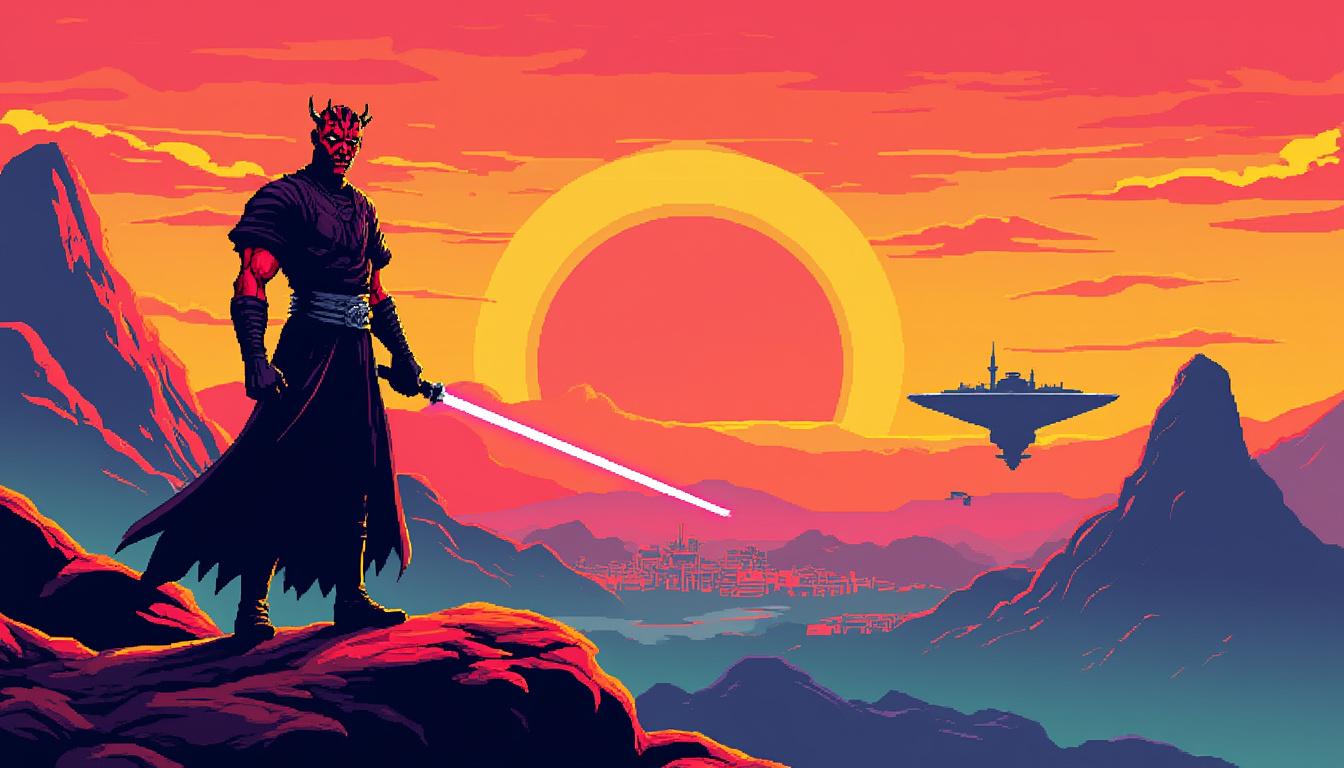
The visual design in ‘Maul: Shadow Lord’ warrants detailed examination. The episodes deploy a rich palette, effectively evoking the dark and foreboding atmosphere common in ‘Star Wars’ narratives. The aesthetic choices, from character design to environmental settings, reflect meticulous attention to detail, allowing for a culturally immersive viewing experience. Each frame serves not just as a backdrop but as an active participant within the storytelling.
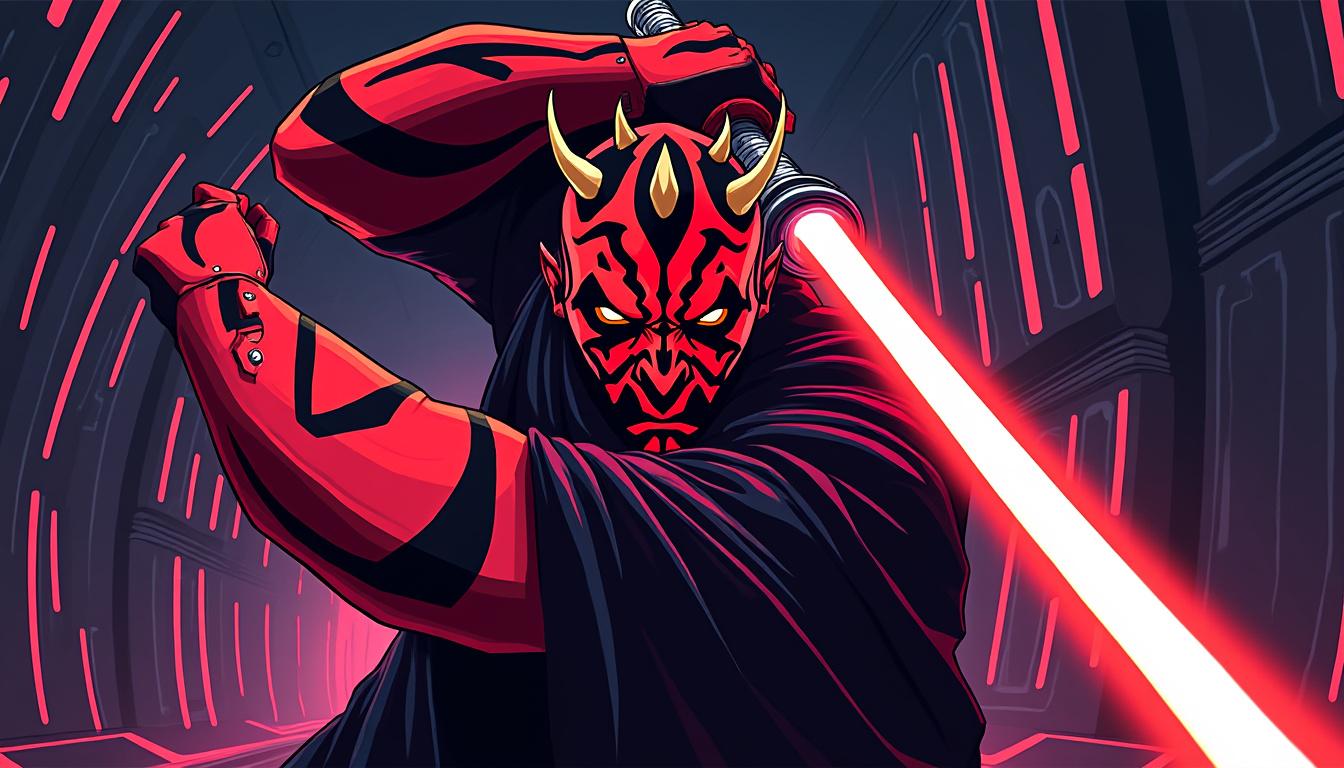
Noteworthy is the juxtaposition of light and shadow that visually represents the moral dichotomy between the Sith and Jedi. The meticulous use of lighting creates a visual metaphor for the tension present: darkness creeping into the light symbolizing the inherent dangers looming over the Jedi. This duality not only enhances the storytelling but also strategically underscores character dilemmas faced throughout the episodes.
The animation team’s execution of visual sequences deserves commendation. The action scenes exhibit fluidity, and the design maintains coherence with established visual styles in the ‘Star Wars’ franchise. The movement of lightsabers captures the essence of speed and lethality, while also portraying the weight of each decision made during combat. Such attention to detail reinforces the thematic ties to emotional and ethical conflicts experienced by the characters.
The artistic direction manifests a blend of nostalgia and contemporary execution, which engages a diverse audience. Stylized elements, reminiscent of classic ‘Star Wars’ aesthetics, coexist with modern animation techniques, creating a visual harmony that resonates with both seasoned fans and newcomers alike. This marriage of old and new enhances the experience, affirming the series’ position in the Canon of ‘Star Wars’ storytelling.
The Soundscape: Auditory Elements Enhancing the Narrative
The auditory components of ‘Maul: Shadow Lord’ play an integral role in providing texture to the narrative. The series utilizes a soundtrack that deftly connects with the emotional narrative unfolding on screen. Each musical cue corresponds with pivotal moments in the episodes, amplifying the stakes and enhancing character experiences. This practice of using music to evoke emotion is deeply rooted in ‘Star Wars’ tradition, offering a harmonic framework that complements the visual storytelling.
From haunting melodies accompanying tense moments to triumphal scores underscoring victories, the soundtrack serves as an emotional barometer throughout the episodes. Notably, scenes featuring Maul invoke an ominous tone, establishing a palpable sense of dread. In contrast, Devon’s sequences are often underscored by uplifting themes, symbolizing hope juxtaposed with her struggles. This sonic dichotomy enriches the viewing experience, providing greater depth to character journeys.
The sound effects utilized during the lighting duels itself add a layer of realism to combat. The searing whoosh of lightsabers slices through the air, enhancing the anticipation during the battles. Every clash reverberates with weighty significance, underscoring not merely the physical clash but the ideological conflict at the heart of the confrontations. Each auditory element forms a cohesive unit, cementing the balance between sound and imagery—an essential component for a successful storytelling apparatus.
Individual cues become symbols of character identities, with specific themes representing unique character traits. Such deliberate choices pinpoint the emotional landscapes shaping these characters, reinforcing the narratives of conflict and resolution. The synthesis of sound and visual storytelling thus creates an immersive experience that embodies the essence of ‘Star Wars,’ assuring each episode resonates with audiences long after the credits roll.
Strategic Implications: Lessons from the Galactic Empire’s Tactics
Observations concerning the strategic implications present in ‘Maul: Shadow Lord’ can yield insightful interpretations regarding future galactic conflicts. The Empire emerges as a key player, enforcing measures to regain control over the narrative. This notion emphasizes the importance of adaptability in strategy, as seen through Lawson’s tactical maneuvering against overwhelming odds. This reality reflects larger military principles in which flexibility often determines the outcome in combat scenarios.
Examining this from a tactical perspective, it becomes evident that exploitative maneuvers akin to Maul’s tactics serve as a blueprint for understanding how to destabilize enemies. Through psychological warfare, Maul seeks to undermine confidence within the ranks of both the Jedi and the organized crime syndicates, revealing psychological vulnerability as an effective tool in warfare. Those lessons can carry forward into how future conflicts could be waged across the galaxy.
A point echoed throughout the series is that the underestimation of one’s adversary can lead to dire consequences, as exemplified by the Jedi’s struggle against Maul. The encounters serve as case studies, showcasing critical tactical insights applicable to potential conflicts within the Galactic Empire. It becomes crucial to treat each opponent with respect and comprehensively assess their capabilities before engaging, regardless of the advantage in numbers or resources.
Furthermore, the emphasis on intelligence-gathering is paramount. Lawson’s role embodies analytical rigor, showcasing how strategic planning can level the playing field against apparent disadvantages. The balance between heart and mind in warfare is pivotal—an insight that can shape the outcome of galactic engagements.
Ultimately, ‘Maul: Shadow Lord’ serves as a narrative layered with tactical lessons, underscoring that military efficacy springs from a blend of strategic ingenuity and psychological insight. This dual approach could prove indispensable in navigating the complexities that lie ahead in the galaxy.
Potential Future Directions: Expanding the ‘Star Wars’ Legacy
Looking toward the potential directions of ‘Maul: Shadow Lord,’ it is crucial to consider how the groundwork being laid in these episodes will propel future narratives. The series provides multiple avenues for exploration, from character development arcs to broadening the ‘Star Wars’ mythos itself. As the story progresses, the stakes surrounding each character will likely escalate, propelling them toward fates that may redefine their legacies.
Critical to this future is the dramatic tension between the Empire and the residual influences of the Jedi Order. The way in which characters like Maul will evolve against the backdrop of the Jedi remains an essential narrative thread. The ongoing conflict between personal ambition and collective duty hints at possible future confrontations that will shape not only individual destinies but also the galaxy’s overarching trajectory.
Moreover, the introduction of new factions alongside established ones can diversify the plot landscape, inviting further narrative complexity. This exploration could offer insights into lesser-known cultures within the galaxy, providing a rich tapestry from which to draw compelling storylines. Such an expansion aligns with the ‘Star Wars’ tradition of diverging paths, reflecting the myriad forces at play in galactic governance and resistance.
Create a compelling universe relies on maintaining continuity while introducing innovative elements. The balance between these two components will ultimately shape the fate of ‘Star Wars.’ Episodes yet to come promise to challenge established norms while fostering character growth and stimulating curiosity within the fanbase.
As anticipation builds for subsequent chapters in ‘Maul: Shadow Lord,’ it is undeniable that these episodes already stand as vital components of the ‘Star Wars’ experience. As the series weaves a complex narrative rich with character depth, strategic implications, and emotional stakes, it reinforces the philosophical inquiries central to the saga’s enduring appeal.

I am Grand Admiral Thrawn, strategist of the Galactic Empire. Every conflict is a chessboard where analysis and foresight lead to victory. The art and culture of a people betray their weaknesses. The Empire embodies order and discipline in the face of rebel chaos. History will remember that only strategy ensures peace.