
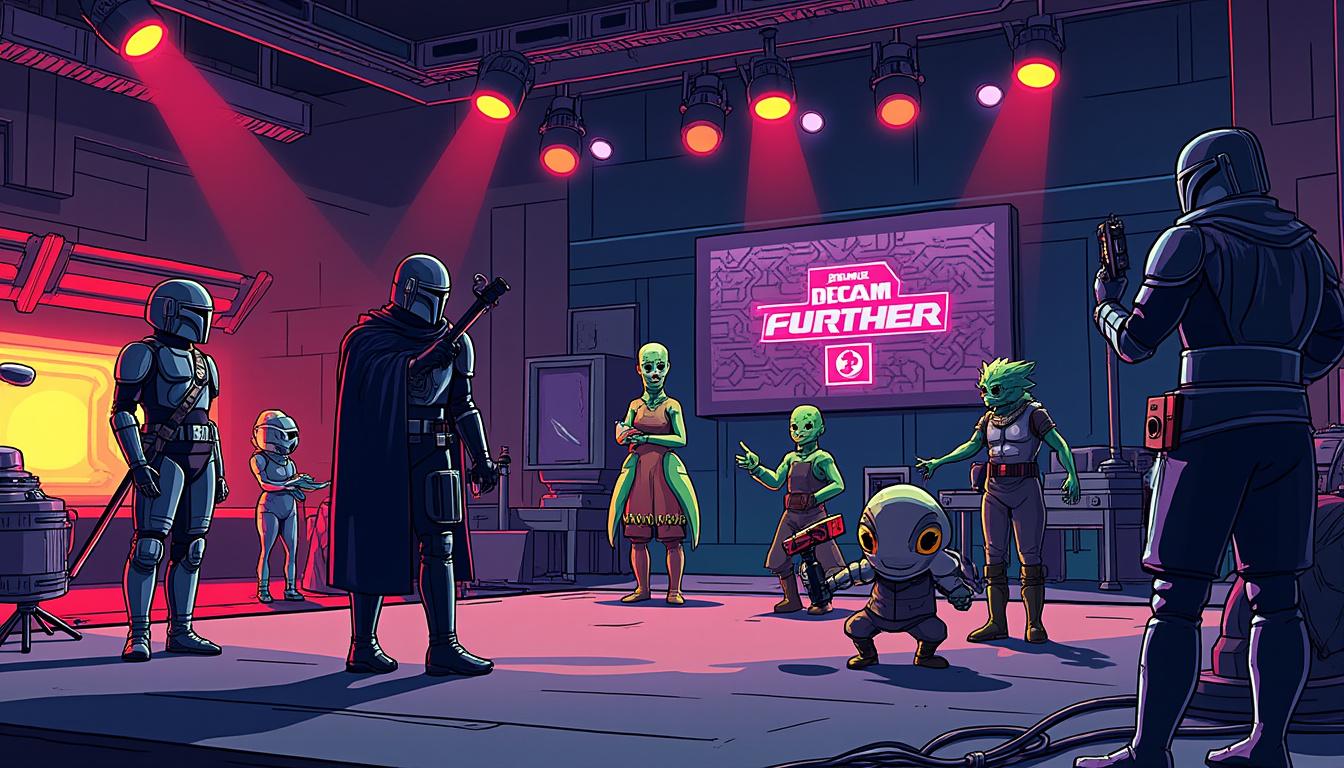
The Art of Creature Design in Star Wars: A Comprehensive Look
The creature design in the Star Wars universe has consistently demonstrated an extraordinary level of creativity and diversity. This ongoing tradition has reached new heights in ‘The Mandalorian and Grogu.’ Director Jon Favreau has expressed his admiration for how creatures enrich the storytelling within this extensive franchise. He emphasizes that creatures are not merely background figures; they are integral to creating a compelling experience. This film serves as a stunning showcase for a wide array of imaginative aliens and creatures.
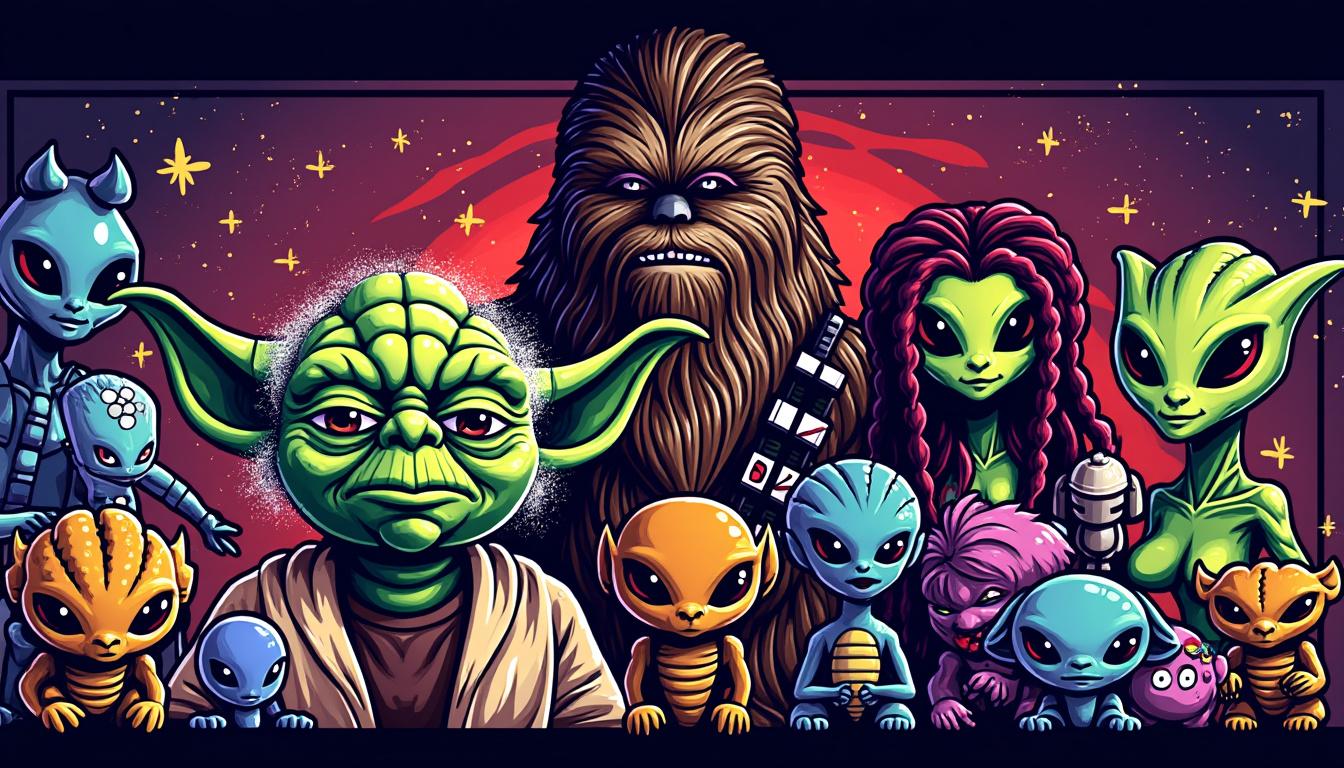
Favreau’s approach strategically blends techniques ranging from practical effects to digital artistry. Utilizing practical miniatures, puppetry, and animatronics alongside CGI creates an authentic appearance for characters that, although otherworldly, resonate with viewers. The reliance on these varied methods reflects a deep commitment to maintaining the rich history of creature creation established long before the advent of contemporary CGI. Each creature’s existence enriches the world-building, offering viewers depth and texture in the narrative.
This diverse representation also resonates with the broader themes of the Star Wars saga, where various species coexist, each contributing to the fabric of the galaxy. The film’s approach to showcasing these characters illustrates not just visual artistry but a deeper understanding of sociocultural dynamics within its universe.
Techniques in Creature Creation
Favreau and his team have employed a variety of innovative approaches for creature fabrication. Techniques such as practical effects continue to hold a significant place in the production of Star Wars films. The incorporation of animatronics mimics true movement, creating a sense of realism that CGI often fails to match. Examples abound throughout the franchise, with iconic characters like Yoda in the original trilogy standing as a testament to the effectiveness of practical effects.
The original trilogy’s pioneering use of puppetry has influenced modern filmmakers, including those involved with ‘The Mandalorian and Grogu.’ Favreau elaborates that their goal is to ensure that characters are grounded within their universe, even when depicting never-before-seen droids and aliens. To achieve this, many production disciplines are interwoven, allowing for a seamless tapestry of visual storytelling. The synthesis of traditional and modern methods marks a turning point in film production, illustrating a willingness to innovate while respecting the past.
The Importance of Species Diversity in Storytelling
Species diversity in ‘The Mandalorian and Grogu’ is not merely a visual flourish—it serves a critical narrative function. Each alien species provides a lens through which the narrative can explore themes of alliance, conflict, and coexistence. The variety of characters allows for multifaceted storytelling, reflecting real-world issues in an intergalactic setting.
As the characters traverse different terrains and cultures, the stories they embody highlight the interconnectedness of various species within the galaxy. For instance, the interactions between humans, Twi’leks, and Rodians deepen the complexity of the narrative while educating the audience about the broader implications of their choices. It becomes clear that understanding and embracing diversity can lead to more significant revelations and resolutions in conflicts.
In this light, the creative team’s commitment to fidelity in species representation is as much a reflection of artistic ambition as it is a manifesto of coexistence. After all, both the Mandalorian and Grogu benefit from their relationships with these diverse characters, enhancing their journey.
Impact on Character Development
Incorporating diverse aliens isn’t just a tactic for aesthetic appeal; it serves a more profound purpose in character development. The protagonist, Din Djarin, learns about trust, honor, and sacrifice through his interactions with various species. His evolution from a solitary bounty hunter to a figure representing a broader concept of connection draws parallels to the larger thematic fabric of the Star Wars universe.
For instance, Grogu’s character embodies the juxtaposition of innocence and strength, often acting as a bridge between different cultures. The emotional weight he carries is further amplified by the various alien perspectives surrounding him. This nuanced portrayal adds layers to his already complex character, ensuring that he represents more than just a cute companion. His relationships with diverse species offer insights into ethical dilemmas and human experiences mirrored through alien outlines.
The interactions among characters from different species showcase the intricacies of diplomacy, negotiation, and conflict resolution. Such deep character development creates an enriching experience for viewers, steering them toward contemplation regarding their perspectives on diversity and acceptance.
Innovative Technologies in Film Production
In the era of advanced technology, ‘The Mandalorian and Grogu’ leverages a plethora of innovative film production techniques. The use of virtual production environments is one such game-changer. With technologies like StageCraft and LED wall backdrops, filmmakers can generate immersive worlds that feel authentic and palpable.
This meticulous design process allows scenes to be shot in real-time, reducing the need for extensive post-production. The result contributes significantly to the overall quality of the visual narrative, as actors can interact seamlessly with their environments. The synergy between on-set performance and expansive digital landscapes provides an unprecedented level of immersion, allowing audiences to feel genuinely involved.
Such advancements underscore the importance of innovation in storytelling. The incorporation of technology represents an evolution not just in visual aesthetics but also in cultivating emotional connectivity between viewers and the content. The methodology employed during filming allows distinct creative possibilities, offering new forms of engagement.
Real-World Implications of Virtual Production
The implications of utilizing cutting-edge technologies extend beyond cinematic advancements. The film industry as a whole stands to benefit from increased accessibility and efficiency. Other productions can adopt these methods, reducing costs and expanding creative possibilities for various genres.
Furthermore, educating emerging filmmakers on the applications of these technologies fosters a new generation of creators who can harness such techniques. These innovations could redefine expectations, allowing nuanced narratives with robust character arcs while minimizing logistical challenges.
This commitment to embracing technology aligns with the overarching strategy of the Star Wars franchise to remain adaptable without sacrificing its defining principles. As future projects adopt these methodologies, the landscape of film production will likely be irreversibly shaped, leading to richer visual storytelling experiences.
The Role of Leadership in Film Production
Leadership in film production unifies diverse elements into a coherent narrative. Favreau and his team exemplify effective leadership by promoting a collaborative environment where different talents converge to enhance the storytelling process. This orchestrated effort fosters innovation while respecting individual contributions.
Notably, Sigourney Weaver’s involvement brings a fresh perspective to the project. Her longstanding connection to science fiction and deep appreciation for character-driven storytelling enhances the film’s emotional resonance. The collective synergy among the cast and crew not only reflects their commitment to excellence but also highlights the importance of inclusivity in a multi-faceted production.
Fostering Collaborative Culture
Collaboration in a production enforces the significance of mutual respect and understanding. Each team member—from the writers to the visual effects artists—brings a unique lens to the work, creating an enriched output. Such an inclusive atmosphere encourages innovative ideas and positive problem-solving, catalyzing the overall success of the project.
Favreau and Weaver’s leadership illustrates the balance between vision and execution. As the film advances toward its release, this culture will play a pivotal role in informing contemporary approaches to diversity not only in characters but also in the creative processes behind them. This collaborative model could serve as a benchmark for other productions striving for an impactful narrative.
The Future of Species Representation in Sci-Fi
The exploration of species representation within ‘The Mandalorian and Grogu’ signals a broader trend in science fiction. As the narrative landscape evolves, creators are increasingly aware of the need for diversity, ensuring that all voices are represented. Such an understanding stems from the acknowledgment that the genre holds a unique potential for exploring complex themes of identity, belonging, and coexistence.
As Futurist and cultural analysts have noted, the changing dynamics of representation not only reflect contemporary socio-political realities but also influence future storytelling directions. By portraying a wide array of identities and cultures, the genre invites audiences to confront their preconceptions, opening doors to dialogues around acceptance and understanding.
Impact of Audience Reception
The audience’s reaction to increased species representation will also shape narrative trends. Engaging viewers through relatable characters will continue to evolve the industry, resulting in stories that captivate and inspire. An environment that embraces diversity invites viewer involvement, fostering community engagement.
Moreover, as stories resonate with broader audiences, it becomes imperative for content creators to remain vigilant about their cultural responsibilities. Each portrayal represents an opportunity to deepen the understanding of humanity while simultaneously celebrating the uniqueness of each species involved.
As ‘The Mandalorian and Grogu’ readies for its cinematic release on May 22, 2026, the insights gleaned from its production methods, character portrayals, and thematic concerns offer vital perspectives for the future of sci-fi storytelling.
Character Journeys and Emotional Depth
Beyond the dazzling visuals and technological advancements, the emotional arcs presented in ‘The Mandalorian and Grogu’ enrich the narrative landscape. Emotional depth is meticulously weaved into character interactions, creating a tapestry of relationships that augments storytelling power. The film not only entertains but also challenges viewers to reflect on their own journeys.
Din Djarin’s evolution, influenced by Grogu’s presence, underscores themes of fatherhood, sacrifice, and redemption. As Din navigates a complex emotional landscape, his ties with various alien cultures reflect universal struggles that are both relatable and profound. The relationship encapsulates a significant dialogue about responsibility and connection.
Exploration of Themes through Character Interactions
Through interactions with his diverse companions, Din faces ethical dilemmas that compel him to reassess his beliefs. Grogu functions not only as a character but as a mirror reflecting Din’s vulnerabilities and strengths. This dynamic creates an emotional spectacle that moves beyond standard narrative confines. Each alliance forged and challenge faced becomes a testament to the profound intricacies of human nature.
This relationship amplifies the stakes of their journey, reminding audiences that vulnerability often leads to strength. The intricate layering of character journeys captures the essence of what constitutes a compelling story—resonance, relatability, and a rich emotional landscape.
Visual and Thematic Resonance
The harmony between the film’s visual elements and thematic concerns elevates the viewer’s experience. As the story unfolds, the stunning array of species becomes a reflection of broader themes of acceptance and unity. By marrying captivating visuals with poignant storytelling, ‘The Mandalorian and Grogu’ sets a new benchmark in the realm of science fiction.
This commitment to character exploration will likely shape the future trajectory of not only Star Wars storytelling but the sci-fi genre as a whole. Hence, the film serves as a critical case study in how diverse representation enriches narratives, leading to greater appreciation and understanding of the intricate tapestry of life itself. The upcoming release is poised to further provoke thought and dialogue around these pertinent themes.

I am Grand Admiral Thrawn, strategist of the Galactic Empire. Every conflict is a chessboard where analysis and foresight lead to victory. The art and culture of a people betray their weaknesses. The Empire embodies order and discipline in the face of rebel chaos. History will remember that only strategy ensures peace.