
Jesse: The Clone Trooper of the 501st Legion
In the expansive lore of the Star Wars universe, the character of Jesse, also known as CT-5597, occupies a unique space within the collective consciousness of the fanbase. Primarily known for his role as a clone trooper in the 501st Legion, Jesse features prominently in many significant story arcs throughout the animated series, The Clone Wars. His defining characteristic, a prominent tattoo of the Republic emblem on his face, marks him as a soldier committed to the ideals of the Galactic Republic, showcasing the personal identities that some clones were able to carve out amidst their manufactured origins.
Jesse’s earliest appearance occurs in the Age of Republic comic series, where he participates in the Battle of Mimban. In this conflict, he showcases his tactical acumen and teamwork alongside Captain Rex and the trooper Hardcase. This early interaction sets the stage for Jesse’s evolution throughout the Clone Wars, highlighting his combat prowess and loyalty to his general, which become major themes of his character arc.
The Battles That Shaped Jesse
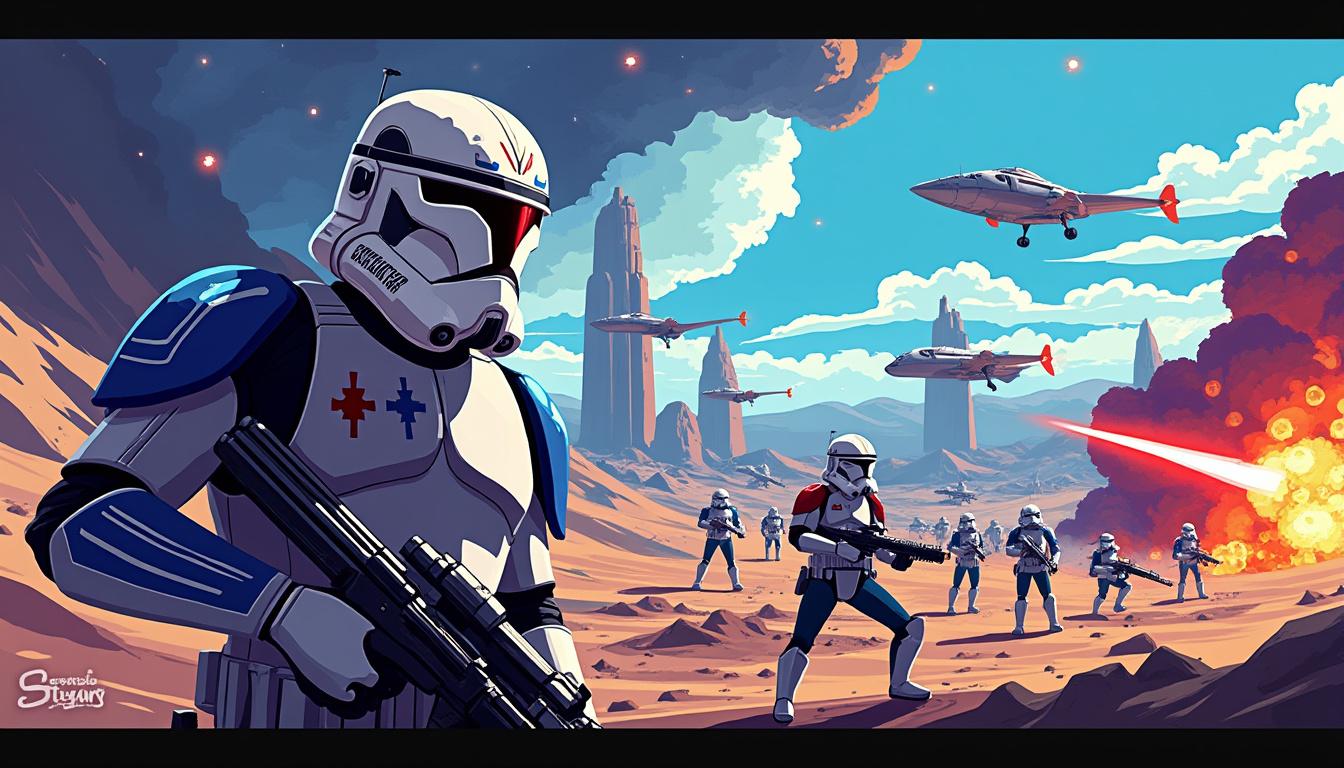
Throughout his tenure in the 501st, Jesse finds himself in various pivotal engagements that not only test his skills as a soldier but also challenge his moral framework. Among these is the Battle of Saleucami, where Jesse first actively participates alongside notable figures like Anakin Skywalker and Obi-Wan Kenobi. Even though he arrives after most of the conflict has unfolded, his decisive actions, such as rescuing Rex, illustrate his ability to think critically and adapt to dynamic situations. Here, Jesse’s role underscores the theme of camaraderie present within the Clone Wars, emphasizing the importance of order and support among the ranks of the clone troopers.
However, the Battle of Umbara presents a stark contrast, as Jesse and his fellow troopers face the dubious leadership of Jedi Master Pong Krell. Krell’s undermining tactics lead to a significant moral quandary for Jesse and the other clones, who find themselves questioning the orders of a Jedi. This situation escalates when Krell’s orders require the clones to launch an attack without adequate reconnaissance, resulting in evident casualties. Jesse’s vocal dissent against these tactics indicates a critical shift in his character development, revealing a soldier torn between duty and the duty to question poor leadership.
The Complexity of Clone Identity
Jesse’s character serves as a focal point for exploring the themes of identity among the clone troopers. Whereas many clones operate as faceless soldiers, Jesse exemplifies a more complex individual trajectory. As the war progresses, he becomes more aware of the ramifications of the decisions made by their Jedi commanders. During the Battle of Umbara, when he and his comrades disagree with Krell’s leadership, Jesse makes a conscious choice to act in a way that prioritizes the lives of his fellow clones over blind obedience. This choice becomes emblematic of larger thematic concerns within Star Wars, demonstrating that individual cells within a larger system can foster significant change.
His interactions with other clones—particularly Fives and Rex—further clarify this nuance. These relationships point to a larger cultural construct within the clone ranks, where bonds of friendship and loyalty often supersede the orders passed down from above. This dimension adds depth to Jesse’s character, positioning him as a multifaceted trooper who grapples with both heroism and disillusionment as the climactic events of Order 66 loom on the horizon.
Order 66: The Climax of Conflict
The tragic culmination of Jesse’s journey occurs during Order 66, marking a critical turning point not just for his character but for the entire galaxy. Following the Siege of Mandalore, where Jesse serves under Captain Rex and Ahsoka Tano, a manipulation occurs that activates the bio-chips implanted in every clone. This act against Ahsoka—a character with whom he shares a complicated history—causes devastating internal conflict. Initially operating under the implication of loyalty, Jesse quickly finds himself part of a larger execution mandate targeting the Jedi. This moment crystallizes the conflict between duty and conscience that has pervaded his character arc throughout the series.
As he confronts Ahsoka, it becomes clear that Jesse is wrestling with the implications of his orders versus his memories of service alongside her, further illustrating the tragedy of his existence. The programming embedded within Jesse at birth takes precedence over any personal conviction he might have developed over the years, which creates a poignant commentary on the loss of autonomy that defines the experience of being a clone.
Jesse’s Legacy within the Star Wars Franchise
Jesse’s character may not have the prominence of figures like Anakin or Obi-Wan, yet his contributions to the story enrich the narrative landscape of the Clone Wars. He embodies the struggles of countless clones, showcasing a journey filled with camaraderie, conflict, and the quest for identity. The complexity brought by his character sheds light on the broader implications of clones in warfare, posing questions about free will, loyalty, and what it means to be a soldier.
The visual representation of Jesse also plays an important role in pop culture. His iconic tattoo and participation in key battle arcs have made him a memorable figure within the Star Wars community. Various merchandise and collectibles, such as the recent Clone Trooper Jesse helmet, signify his status as a beloved character among fans. This kind of memorabilia serves both as a testament to the character’s impact and as a means for the fans to express their connection to the greater Star Wars narrative.
The Artistic Elements of Jesse’s Story
The artistic choices that went into constructing Jesse’s narrative are significant. From the character design to the voice acting, every aspect enhances the viewer’s understanding of his character. His imposing visual design, characterized by the Republic emblem tattoo and the distinct armor of the 501st, has become a staple in promotional materials. This not only solidifies his identity but serves as a poignant reminder of his commitment to the ideals he was created to uphold.
Voice actor, who brought life to Jesse, managed to infuse the character with the complexities and emotional weight necessary to bring authenticity to his journey. The vocal performance captures the essence of a soldier burdened by the weight of command and conflict, allowing fans to connect with him on a deeper emotional level.
Lessons for Future Generations
The narratives encapsulated in Jesse’s arc offer valuable lessons pertinent to broader discussions about authority and individuality. A soldier’s duty often requires obedience to leadership; however, Jesse’s story highlights the importance of questioning orders that may lead to questionable morality. His character illustrates the necessity of vigilance concerning one’s actions and the implications of order versus empathy—an invaluable lesson applicable beyond the scope of Sci-Fi into real-world contexts. This raises a critical point of reflection: what becomes of those who follow orders unquestioningly?
- 🎖️ Engage critically with authority figures.
- 🤝 Foster camaraderie and support systems within teams.
- 💭 Always evaluate the moral implications of one’s actions.
The Multifaceted Nature of Clone Trooper Jesse
The depth of Jesse’s character and the roles he occupies illustrate that the world of Star Wars is much more than a simple conflict between good and evil. His journey probes into the emotional landscapes of embedded loyalty, friendship, and conflict resolution, all while being encapsulated in the high-stakes setting of war. This complexity is what makes Jesse not just a soldier but a compelling focal point for discussions on identity within the galaxy.
| Encounter | Significance | Core Themes |
|---|---|---|
| Battle of Saleucami | First engagement with key Jedi and clone personalities. | Teamwork and loyalty. |
| Battle of Umbara | Confrontation with leadership failures, moral dilemmas. | Questioning authority. |
| Order 66 | Confronts personal loyalty versus programmed orders. | Loss of autonomy, valuing friendship. |

I am Grand Admiral Thrawn, strategist of the Galactic Empire. Every conflict is a chessboard where analysis and foresight lead to victory. The art and culture of a people betray their weaknesses. The Empire embodies order and discipline in the face of rebel chaos. History will remember that only strategy ensures peace.