
An Introduction to Hyperspace Stories: Grievous
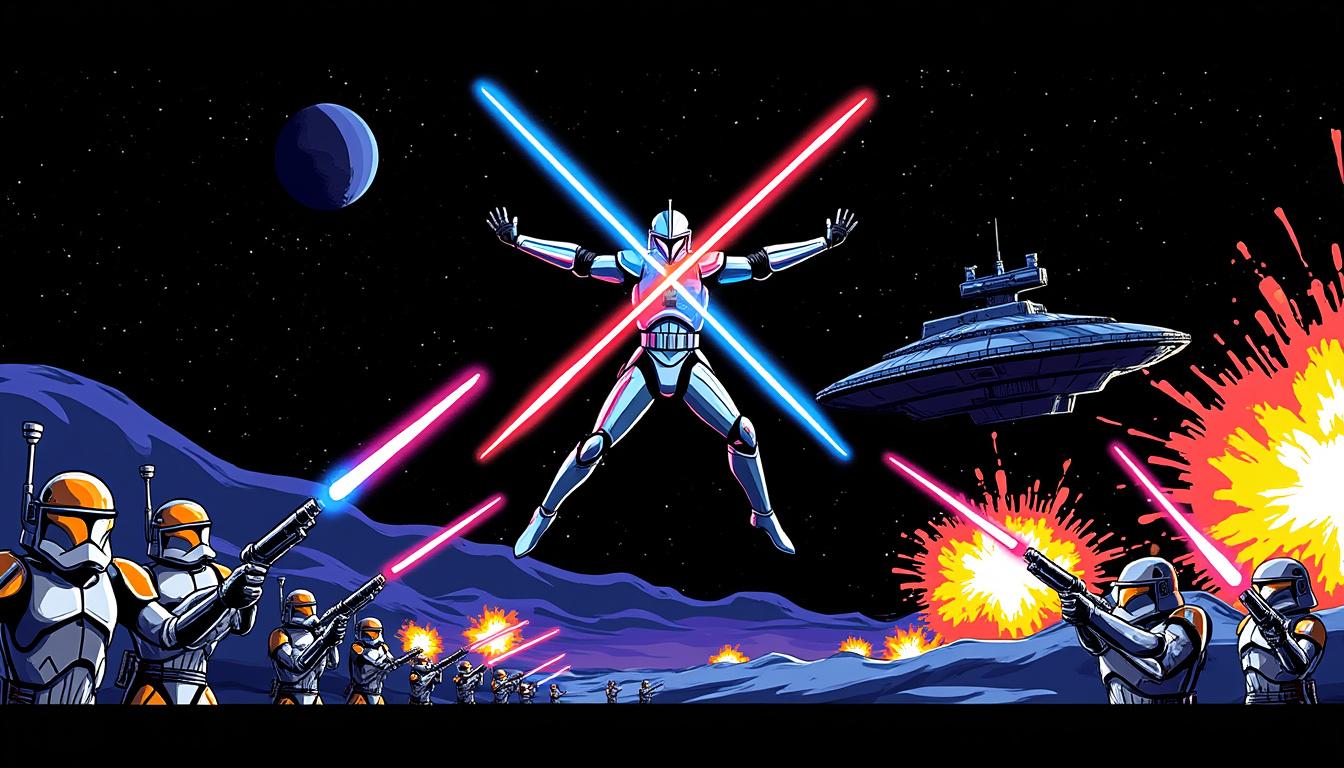
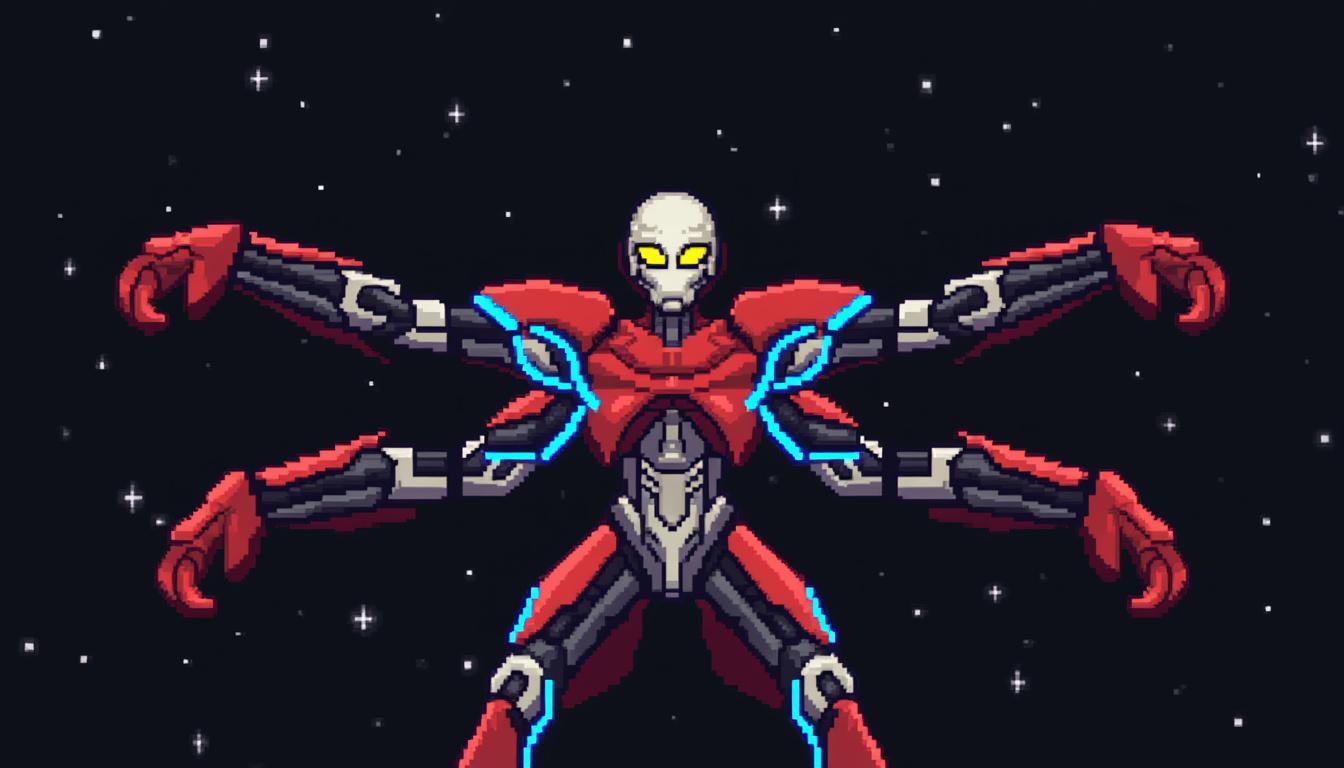
The graphic novel Hyperspace Stories: Grievous, part of Dark Horse Comics’ elaborate storytelling within the Star Wars universe, focuses on one of the saga’s most complex antagonists, General Grievous. This narrative is strategically set during the tumultuous early days of the Clone Wars, a time when alliances were fickle, and the battle lines were increasingly blurred. The art, rendered by Caio Filipe, captures the chaotic essence of war while showcasing the mechanical monstrosity of Grievous against a backdrop steeped in danger and intrigue.
The storyline intricately weaves elements of identity, power, and servitude into a cluster of engaging quick-witted dialogue and heated action sequences. With writer Michael Moreci, known for his contributions to other Star Wars stories, the tome positions Grievous at a pivotal moment in his career as he navigates temptations of influence and the grim realities of his murderous engagements.
The Contextual Landscape of the Clone Wars
To fully appreciate Hyperspace Stories: Grievous, an understanding of the Clone Wars context is paramount. This period in the Star Wars timeline is characterized by intense conflict between the Republic and the Separatists, led by Count Dooku. Grievous operates not just as a soldier; he is a symbol of the Separatist movement’s militaristic aspirations. His ability to instill fear upon each planet he invades is a focal point of the narrative, engaging both fans and critics alike.
The backdrop of the Clone Wars encapsulates numerous battles, shifting allegiances, and a variety of new and returning characters, making it an incredibly rich territory for storytelling. In this particular story, the plot unfolds on the remote jungle planet of Katou, establishing an immediate danger against the inhabitants. Grievous is tasked with a dual mission: to conquer a planet and to further solidify his position as a powerful figure within the Separatist ranks.
Character Dynamics: Grievous and Jedi Cardiff Baye
In this narrative, Grievous faces Jedi Master Cardiff Baye, a character shrouded in mystery. His emergence as a new opponent provides a fresh perspective within the established mythology. The interplay between Grievous and Baye exposes the contrasting ideologies prevalent in the galaxy. While Grievous thrives on domination and terror, Baye exudes a certain nobility and spiritual grounding. This dichotomy sets the stage for a battle not just of strength, but of philosophy.
Furthermore, the writing subtly alludes to Grievous’s struggles with his own nature: a skilled tactician, yet viewed by the galaxy as a mere puppet of Dooku. His journey throughout the story presents an intriguing inquiry into the layers of his psyche. Thus, readers see more than mere physical confrontations; they witness an internal conflict that adds depth to the overall arc.
Grievous’s Strategic Missteps
Despite his ferocious reputation, Grievous’s journey in Hyperspace Stories: Grievous is overshadowed by strategic miscalculations. Initially, he exhibits a display of brute force and intimidation; however, this approach often proves futile against more cunning adversaries. Baye, equipped not just with lightsabers but a deeper understanding of the Force, represents a significant challenge that Grievous underestimates.
This oversight in underestimating his opponent is a critical analysis point. An adversary who relies excessively on sheer force risks exposing weaknesses. Throughout history, brilliant military leaders have often recognized the potential in their opponents; they capitalize on opportunities where brute strength may fail. In this case, Grievous’s lack of awareness could have dire consequences.
Overly Dependence on Dooku
Grievous’s reliance on Count Dooku serves as another point of vulnerability. While Dooku’s influence grants Grievous authority, it also chains him to a predetermined path. His hesitance to assert autonomous strategies creates an identity crisis, evident in his fluctuating confidence levels as he interacts with Jedi and his Separatist allies. Should he exceed the expectations set by Dooku, Grievous would not only solidify his reputation but also reshape his role in the war.
An Evaluation of Jedi Forces
The introduction of Jedi Master Cardiff Baye signifies a dynamic shift in the narrative, highlighting how the Jedi Order adapts to evolving threats. Baye is not merely a skilled duelist; he embodies spiritual leadership, presenting an intellectual approach to combat that transcends lightsaber duels. His faith in the Force and how it informs his decisions adds layers to the ongoing conflicts presented in the Clone Wars.
This suggests a nuanced approach among the Jedi, as one leader can dramatically turn the tide of battle through calculated wisdom rather than sheer physical prowess. Furthermore, Baye’s interactions with his clone soldiers demonstrate effective morale-building and leadership qualities rarely seen in the primary Jedi characters featured in the larger Star Wars saga.
The Jedi’s Dependence on Harmony
The Jedi Order historically relies on balance and harmony, an element that Baye exudes throughout his interactions. This portrayal of their principles challenges the concept of traditional brute strength in warfare. For Grievous, this notion represents a substantial barrier, as his usual tactics of intimidation are countered effectively by the Jedi leader’s coherent understanding of the Force and connection with his troops.
What Should Have Been Done Differently
Grievous’s path through the narrative offers ample opportunities for alternative strategic choices. Greater independence from Dooku could have enhanced his adaptability in tactical encounters. By devising independent battles that exploit the enemy’s weaknesses rather than merely fulfilling a mandate, Grievous could have repositioned himself as a truly formidable and autonomous character. As seen in historical conflicts, leaders who improvise amidst chaos often emerge victorious.
Moreover, establishing psychological warfare tactics could have raised Grievous’s effectiveness. The subtle manipulation of fear can be as powerful as the use of weapons. Grievous’s reputation as a fearsome opponent remained intact; however, he lacked the strategic acumen to utilize this psychological edge. Instead of mere combat, he should have reinforced the dread surrounding his name to weaken the resolve of opposing forces.
Potential Lessons for Future Conflicts
Lessons from Grievous’s campaign can be extrapolated into future military engagements. In an era defined by rapid changes in warfare, leaders must adapt strategies that integrate psychological manipulation with tactical innovation. Specialists within these areas should remain further engaged with individual character analyses, refining intuitive understanding. In a universe filled with multifaceted characters, each engagement offers a platform for strategic improvement.
The Action-Packed Narrative and Its Artistic Merit
The artistic representation in Hyperspace Stories: Grievous broadens the storytelling significance. Caio Filipe’s artwork captures vivid action that accompanies each character’s tactical movements through dynamic illustrations. Each panel seamlessly transitions the audience through battles and strategic discussions, creating a sense of urgency synonymous with the Star Wars experience.
Moreover, the representation of the planet Katou contrasted with Grievous’s formidable form elucidates a key theme within the saga—the juxtaposition between nature and machination. The lush environments that serve as a battleground amplify the internal and external conflicts faced by Grievous as both a combatant and a symbol of technological advancement.
Visual Techniques Employed
Utilizing strong shadows and intricate details, the art embodies the essence of a Clone Wars battlefield, resonating with echoes of past conflicts. The depiction of Jedi combat adds vibrancy, while the mechanical nuances of Grievous impart a striking visual engagement. Art in graphic novels amplifies the themes tackled through narrative without requiring explicit exposition, elevating the overall storytelling experience.
Comparative Analysis of Grievous with Historical Figures
| Characteristic | General Grievous | Historical Parallels |
|---|---|---|
| Strategic Insight | Often relies on brute force | Napoleon Bonaparte’s emphasis on mobility |
| Identity Struggle | Conflicted between power and servitude | Hannibal, constrained by political mandates |
| Technological Dependency | Heavily reliant on Dooku’s influence | Genghis Khan’s incorporation of horses in strategy |
| Psychological Warfare | Underutilized in battle | Sun Tzu’s principles on the matter |
This comparative analysis highlights the various qualities that create a multidimensional portrayal of Grievous, further embellishing the narrative as more than merely a collection of battles and confrontations.

I am Grand Admiral Thrawn, strategist of the Galactic Empire. Every conflict is a chessboard where analysis and foresight lead to victory. The art and culture of a people betray their weaknesses. The Empire embodies order and discipline in the face of rebel chaos. History will remember that only strategy ensures peace.