
Overview of Disney’s Major Job Cuts
In a significant restructuring move, Disney has announced the elimination of over 1,000 jobs across various divisions, notably affecting Marvel Studios’ art department. This strategic decision reflects broader challenges within the entertainment industry, where shifting consumer preferences and economic pressures compel major corporations to reevaluate their workforce compositions. The implications of these layoffs extend beyond mere numbers, as they highlight an increasing trend of workforce reduction in the face of rapid technological advancements and market disruptions.
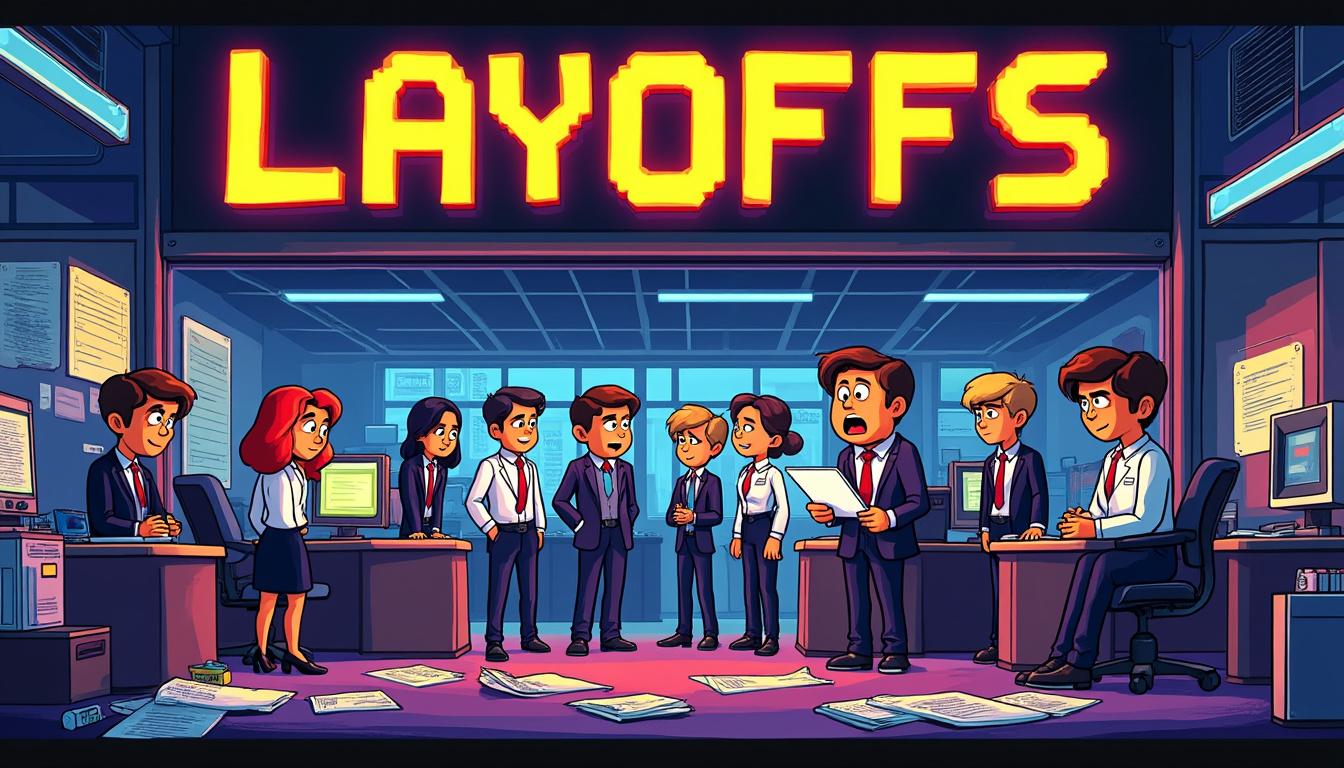
The memo released by Disney’s CEO Josh D’Amaro outlines the necessity of these cuts, emphasizing the need for operational streamlining. The layoffs have reverberated through various sectors, including film production, Disney’s television networks, and even its parks and experiences segment. Understanding the implications of these cuts requires an analysis of the current climate in the entertainment industry, specifically how Disney is repositioning itself for future demands.
Impact on Marvel Studios
Marvel Studios has felt the brunt of these layoffs, with a substantial portion of its artistic workforce being let go. Reports indicate that nearly 8% of the staff dedicated to the visual development of Marvel projects has been affected. This is particularly alarming, as this team has been instrumental in shaping the aesthetic quality that audiences have come to expect from the Marvel Cinematic Universe (MCU).
The impacted roles include artists, illustrators, character designers, and technical specialists. The elimination of such crucial positions raises questions regarding the future visual direction of both Marvel projects and any potential synergies with the Star Wars franchise. With such a high percentage of layoffs, one must assess whether Marvel can maintain its competitive edge under these new constraints.
Furthermore, these cuts appear to coincide with a broader strategic pivot within Disney, as the company plans to scale back its content production in the future. As resources are reallocated, it begs the question: how will this affect the creative vision of Marvel Studios moving forward?
Strategic Errors in Decision-Making
While the layoffs may be seen as a necessary evil for financial sustainability, it is important to dissect the strategic errors that led to this point. The most evident of these is a failure to foresee the rapid changes within the entertainment landscape, particularly those exacerbated by economic recessions and uncontrolled external factors.
The initial expansive content production strategy adopted by Disney in an aggressive aim to cement itself as the leader in streaming and theatrical releases proved to be shortsighted. Such an approach neglected the managerial need for scalability and flexibility in operations. Instead of diversifying its risk, Disney’s leadership initiated an overwhelming push for volume at the expense of quality. It seems that the focus on quantity may have been a key factor in the company’s current predicament.
Moreover, relying heavily on established franchises such as Marvel and Star Wars has shown its vulnerabilities. The lack of innovation in creative storytelling could potentially alienate audiences, resulting in diminishing returns. The layoffs, rather than signaling a clean slate, may indicate deeper systemic issues within the company’s decision-making processes.
Reading the Competitive Landscape
When analyzing the competitive landscape, one must reflect on rival entities such as Warner Bros. and Universal Pictures, which have similarly made job cuts but often emphasize investment in new and diverse content. Such strategic differences provide interesting points of contrast. While Disney is scaling back, competitors are proliferating creative options for audiences, thereby potentially capturing market share that Disney vacates.
Staff reductions at major studios generally lead to a loss in institutional knowledge and continuity, which further complicates the ability to innovate and adapt. As Disney moves forward, an evaluation of its position relative to these competitors will be crucial. The decisions made today will not only affect immediate financial outcomes but will also shape the long-term viability of its brands.
What Should Have Been Done Differently
In retrospect, several strategies could have been pursued to avoid this decimation of Disney’s workforce. First, a more proactive approach to market conditions could have been beneficial. Conducting thorough market analyses to identify shifting consumer trends would have allowed Disney to realign its resources without resorting to drastic layoffs.
Secondly, building a sustainable creative pipeline rather than relying heavily on blockbuster events would have permitted more stability. By investing in new storytelling methods and expanding its portfolio beyond existing franchises, Disney could have mitigated risk.
Implementing flexible staffing strategies could have provided breathing room during market fluctuations. Engaging freelance talent as needed without permanent layoffs could create a more dynamic workforce capable of adapting to changing demands.
Lessons for Future Conflicts in the Entertainment Industry
The events encapsulating Disney’s recent upheaval offer a series of lessons applicable not just to the company but also to the broader entertainment sector. First, diversification of content strategy across platforms is vital. Relying primarily on a few well-known brands can leave companies vulnerable.
Second, continually assessing technological advancements, such as the potential of Generative AI, can offer alternatives to traditional production avenues. Disney’s retreat from its billion-dollar investment in OpenAI exemplifies a missed opportunity to leverage innovation for enhanced creative output.
Lastly, aligning operational efficiency with creativity should be a priority. Only by placing equal importance on financial strategies and generating innovative content can companies like Disney ensure longevity in their market domains.
Influence on Future Creative Projects
The layoffs inevitably raise questions about future creative output, particularly for Marvel Studios and its interconnected universe within the broader Disney framework. As Marvel navigates this workforce reduction, the potential for fewer releases may paradoxically allow for a more refined, quality-driven approach.
Nevertheless, scaling back on projects could also lead to a dilution of brand equity if fans do not see the expected return on investment in terms of output and storytelling. Perhaps a middle ground must be struck—maintaining creative vigor while ensuring financial responsibility.
What This Means for Star Wars Fans
Many fans are left questioning how these changes will impact existing franchises like Star Wars. The intricate relationships between Marvel’s cinematic universe and Star Wars’ storytelling capabilities cannot be overlooked, particularly regarding cross-franchise storytelling possibilities.
Future developments will need to be carefully managed to ensure that Star Wars continues to thrive even as Marvel Studios recalibrates its approach. Producers and stakeholders alike must contemplate collaborative opportunities that are creatively lucrative while still aligned with Disney’s restructuring goals.
Conclusions on Corporate Restructuring
Disney’s job cuts serve as a lens into the complex dynamics at play in an evolving market. Rather than succumbing to a grim narrative of corporate failure, this situation highlights the necessity for strategic reevaluation within the entertainment sector. Rethinking operational paradigms and embracing adaptive strategies will ultimately dictate future successes.
| Table | Layoff Impact by Disney Sector |
|---|---|
| 🏢 Studios | 1,000+ layoffs across various studios |
| 🎬 Marvel Studios | Possibly 8% of art department eliminated |
| 📺 Television Networks | Increased budget pressures leading to cuts |
| 🌐 Digital Media | Strategic reduction in content output planned |

I am Grand Admiral Thrawn, strategist of the Galactic Empire. Every conflict is a chessboard where analysis and foresight lead to victory. The art and culture of a people betray their weaknesses. The Empire embodies order and discipline in the face of rebel chaos. History will remember that only strategy ensures peace.