

Ahsoka’s Nightsister Culture Explored in Depth This Season
The upcoming second season of Ahsoka promises a thorough exploration of the enigmatic Nightsisters, a matriarchal society deeply rooted in the Dark Side of the Force and shrouded in mysticism. The series, while built around the character of Ahsoka Tano, extends its narrative to encompass various lesser-known aspects of the Star Wars universe, particularly those related to the Nightsisters. These powerful witches from Dathomir not only wield dark magic but embody cultural beliefs that diverge from traditional Jedi teachings.
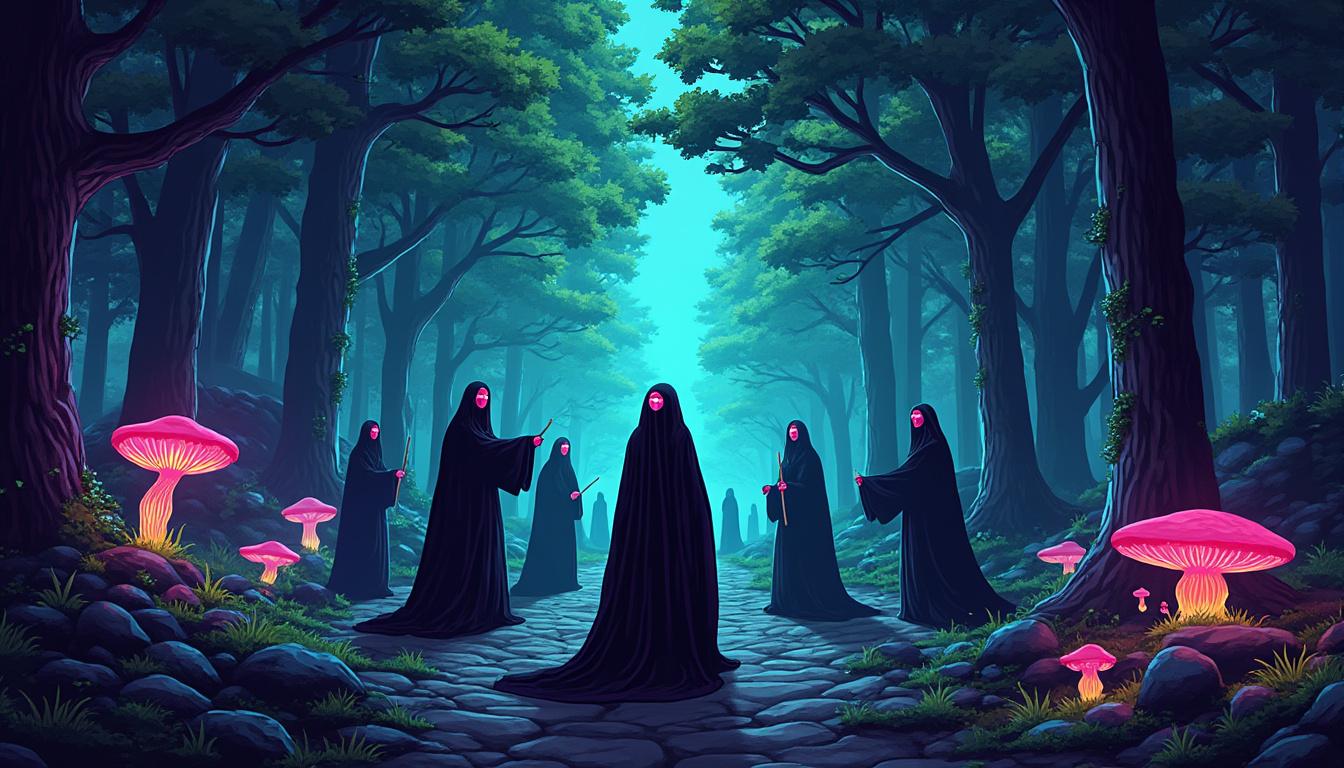
Actress Jane Edwina Seymour, reprising her role as Great Mother Lakesis, has emphasized her engagement with the depth of Nightsister culture. Her commitment to portraying this character authentically is evident through extensive research that lends credence to the complex heritage of these witches. The narrative trajectory in Season 2 aims to delve into their long-term ambitions, possibly reshaping our understanding of their role within the broader conflict of the galaxy.
Having gained insight into how the Nightsisters navigate their ambitions, disparities, and their interrelationship with the Light Side of the Force, the season anticipates a richer canvas that may reveal hidden motivations. The exploration of these elements will contribute significantly to character development, not only for Lakesis but also for Ahsoka herself, as it sets the stage for engaging thematic contrasts.
The Significance of Dark Side Mysticism
The Dark Side permeates Nightsister culture, characterized by its embrace of mysticism and witchcraft. This duality of being both feared and revered brings forth cultural practices that resonate through various aspects of their lives. The essence of their power lies in rituals and traditions steeped in ancient history, deeply intertwined with their identity as Dathomirians.
The Nightsisters utilize the Dark Side to channel profound abilities, distinguishing them from typical Force users. Their mastery of sorcery and spells expands traditional understandings of the Force. This portrayal denotes how the Dark Side serves not only as a means of power but also as a connective tissue linking them to their ancestral roots. It offers a counter-narrative to the Light Side’s philosophical underpinnings, presenting a multifaceted view of the conflict.
This exploration becomes an engaging point of contention as Ahsoka herself, a representation of the Jedi Order, grapples with her own understanding of the Force. This juxtaposition highlights the complexities of moral alignment within the vast universe of Star Wars, underscoring how individual choices invariably impact the larger narrative.
Conflict and Ambition: The Nightsisters’ Motivations
The motivations of the Nightsisters are complex, driven by a mixture of ambition, rivalry, and traditionalism. Their historical context as witch-like figures serves an essential role in understanding their ambitions. The lore of the Nightsisters is filled with tales of leadership, betrayal, and power struggles, often resulting in schisms that define their societal dynamics.
The power struggle manifests internally through both rivalry among the Great Mothers and external conflicts with powerful figures outside their community. Their trait of embracing conflict serves a greater purpose: consolidating their influence within the galaxy. Understanding these motivations heightens the narrative stakes as viewers are led through the maze of loyalty and betrayal.
- 🌌 Ambition: The drive to advance within the hierarchy of Nightsisters.
- ⚔️ Conflict: Tensions with other factions, such as the Jedi and Sith.
- 🚶 Tradition vs. Progress: Navigating between ancient practices and necessity for adaptation.
Season 2 introduces layers that challenge the existing order and sheds light on how these characters maneuver through intense emotional landscapes. Ahsoka’s interactions with Lakesis may provoke critical questions regarding trust, alliance, and personal sacrifice, exemplifying a deeper battle that transcends physical confrontation.
The Interplay of Ahsoka and Nightsister Culture
The integration of Ahsoka into the Nightsister narrative underscores a unique dynamic that elevates character arcs. Ahsoka, trained as a Jedi, represents the ideals of the Light Side, contrasting sharply with the mystical and often aggressive nature of the Nightsisters. This contrast enriches the episodic storytelling, offering viewers an opportunity to gauge Ahsoka’s growth against contrasting values.
As her character evolves, the narrative could highlight the challenges and conflicts that arise from integrating these differing philosophies. What may initially seem like friction could evolve into a valuable exchange of knowledge, leading both Ahsoka and the Nightsisters to broader insights about power and morality.
Each episode serves as a battleground not only for physical confrontations but also for ideological clashes, posing vital questions about the essence of good and evil. The exchange with Nightsisters may bring forward layers of understanding for Ahsoka as she navigates her obligations and identity.
Character Development: The Role of Great Mother Lakesis
Great Mother Lakesis, under the portrayal of Jane Edwina Seymour, stands as a formidable presence within the realm of Nightsisters. The depth of her character is poised to expand in Season 2, as themes of ambition, leadership, and mystical prowess intertwine. Her arc not only offers a larger view of Nightsister culture but delves into the intricacies of power dynamics within a matriarchal society.
This character development is crucial, as it sets Lakesis apart from the typical villain archetype. Understanding her motivations, dreams, and fears will provide insight into both personal and political stakes at play. Her drive to maintain not just control but also a cultural legacy adds a compelling layer to her character.
- 🌟 Ambitious Leader: Lakesis’ aspiration to lead through both wisdom and power.
- 🔮 Mystic Abilities: Exploring the greater implications of her dark powers.
- ⚖️ Cultural Advocate: A representation of Nightsister values and traditions.
The impact of Lakesis on Ahsoka’s journey may be profound, leading to pivotal moments of collaboration, conflict, and resolution as they navigate shared challenges. The narrative trajectory raises the stakes of character development, promising interaction that could redefine the nuances of their respective beliefs.
The Role of the Great Mothers in Nightsister Society
The Great Mothers are essential figures within Nightsister society, embodying the collective wisdom and power of their ancestry. Each Great Mother represents a point of connection to ancient traditions, serving as guardians of mystical knowledge and practices. The power held by these matriarchs establishes a framework for existing social hierarchies, underscoring the emphasis placed on female leadership.
Understanding their role within the broader context highlights not just the governance structure but also spiritual tenets. As leaders, they invoke respect and fear, wielding their connections to the Dark Side as both a tool and a burden. Their presence reinforces the narrative of how societal structures can shape individual destinies.
Connecting their legacy to contemporary narratives within the Star Wars universe, Season 2 provides rich storytelling opportunities, enabling the exploration of how the Great Mothers influence the actions of the Nightsisters and those who encounter them. The potential for alliances or confrontations with Ahsoka offers a gripping narrative thread that may alter the course of events in unforeseen ways.
The Symbolism of Ahsoka’s New Symbol
The introduction of a new symbol for Ahsoka, which appears to blend the traditional Jedi Order emblem with her own “Fulcrum” symbol, adds a visual layer to her character’s evolution. This symbol encapsulates her journey across the galaxy, from a Jedi Padawan to a leader of her own destiny. This hybrid representation may also signify her reconciliatory approach towards disparate aspects of her identity.
The visual elements present in Ahsoka’s new insignia are especially notable, suggesting that it may serve as a bridge between her past allegiances and her current philosophy. These layers of symbolism enrich the narrative, positing that Ahsoka’s evolution may not solely be about embracing light but also an acknowledgment of darker currents.
- 🛡️ Fulcrum Symbol: A representation of her Rebel affiliations.
- ⚔️ Jedi Emblem: A nod to her roots and training.
- 🌌 New Path: Emphasizes her growth and complexity.
As the season unfolds, Ahsoka’s connectivity with both the Jedi Order and the Nightsisters could reveal deeper dimensions to her character, leading to a multifaceted exploration of what it means to belong.
Anticipating Fan Reactions and Cultural Impact
The anticipation surrounding the cultural implications of Season 2 is palpable among fans of the Star Wars franchise. The integration of deeper cultural narratives centered around the Nightsisters holds the potential to reshape fan perceptions regarding female representation within the series. This character-focused story not only offers heightened stakes but also emphasizes a more nuanced portrayal of powerful female figures.
The intersection of ambition, mysticism, and ethical ambiguity within these characters challenges the static idealization often associated with female roles in media. Engaging these themes offers a platform for meaningful conversations regarding power dynamics, ethics, and representation.
The cultural dialogue ignited by these characters stands to influence how future narratives are constructed within the Star Wars universe. Seasons focused on intricate character arcs and cultural elements promise to renew excitement and provide valuable avenues for discourse.
The Road Ahead for Ahsoka and Nightsister Culture
The road ahead for both Ahsoka and the Nightsisters in Season 2 is poised to intersect in thrilling ways. This intersection of destinies promises to examine the depth of their cultural foundations, revealing haunting complexities and poignant truths.
This season will allow viewers a chance to explore the implications of traditional beliefs clashing with modern ideals, resulting in a narrative rich in resonance. Fans of the series can anticipate not just action but an intentional examination of how identity and legacy shape individual choices.
As the story unfolds, the interplay between Ahsoka and the Nightsisters will catalyze significant transformations across both groups, challenging pre-existing notions while paving the way for the future of Star Wars lore. The implications of these character narratives extend beyond their arcs, reverberating through the vast tapestry of the galaxy and its myriad conflicts.

I am Grand Admiral Thrawn, strategist of the Galactic Empire. Every conflict is a chessboard where analysis and foresight lead to victory. The art and culture of a people betray their weaknesses. The Empire embodies order and discipline in the face of rebel chaos. History will remember that only strategy ensures peace.