
Bryce Dallas Howard: A New Era in Star Wars Directing
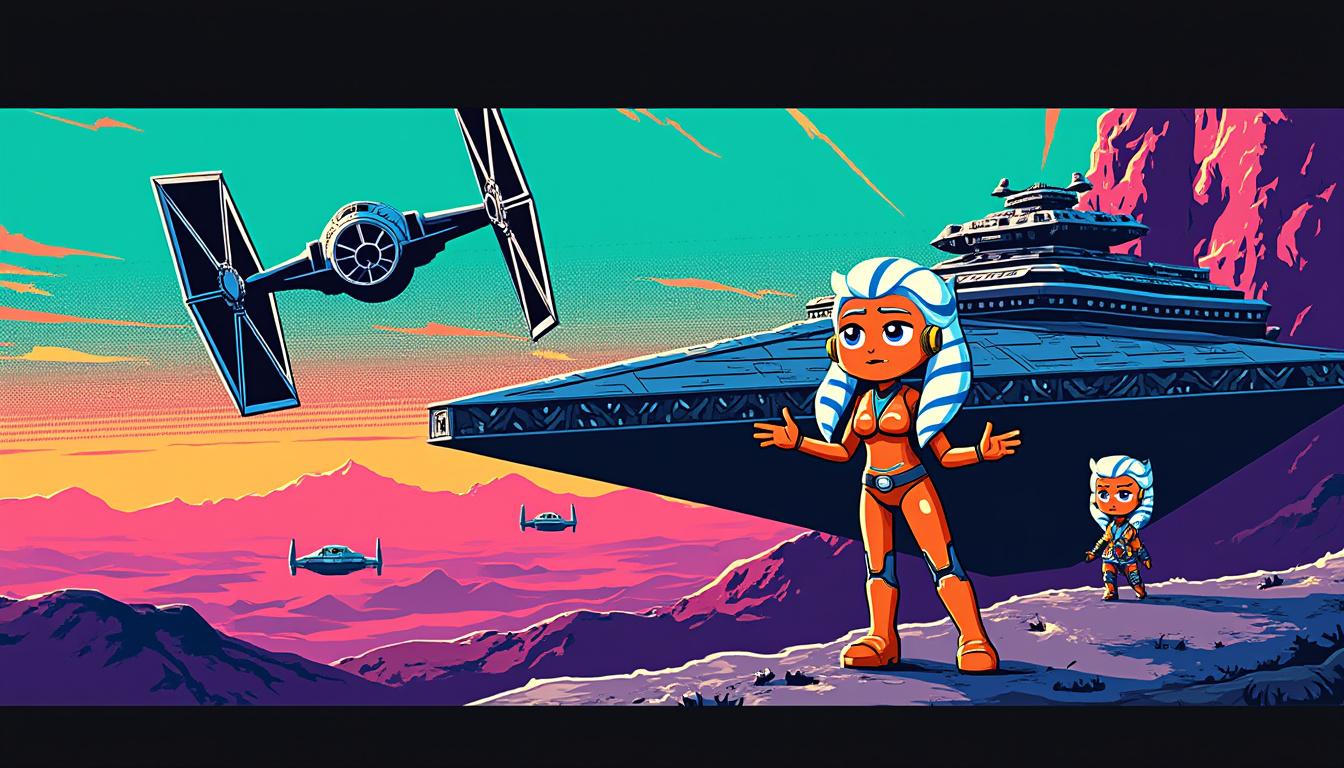
Within the expansive universe of Star Wars, the role of a director is paramount. Bryce Dallas Howard has stepped into this role, adding her unique vision to the franchise. Recently, she directed two episodes of Ahsoka Season 2, marking a significant achievement in her career. This move not only reflects her talent but also signifies the evolution of the franchise in the era of high-quality streaming content.
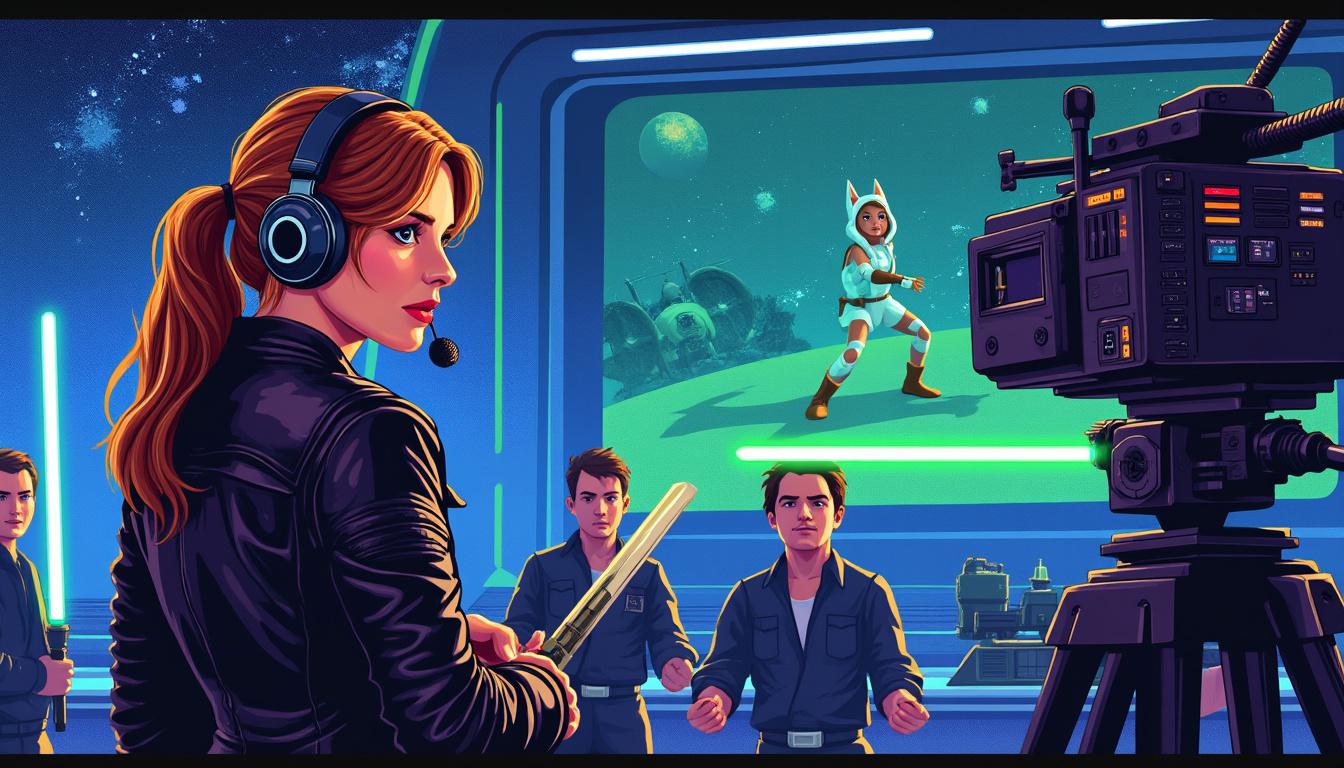
As a director, Howard brings her past experience in the franchise, having previously helmed episodes of The Mandalorian and The Book of Boba Fett. The collective feedback from her earlier work has laid a strong foundation for her leadership in the next chapter of Ahsoka. The director’s approach, rooted in both passion and meticulousness, has created a space for innovation within established narratives.
This recalibration of traditional storytelling in Star Wars is essential in attracting a diverse audience. Howard encapsulates the spirit of this new direction, emphasizing that her involvement in Season 2 was not just a task, but a labor of love — what she described as “the most fun I’ve ever had.” Such enthusiasm is crucial, as it translates to authentic storytelling and dynamic character development.
The decision to integrate new voices like Howard’s aligns with the broader strategy of Lucasfilm to diversify its creative talent. Not only does this enhance the narrative complexity, but it also invites fresh perspectives that resonate with contemporary audiences. Bryce Dallas Howard’s contributions exemplify how directors can leverage their unique styles to enhance a well-known universe.
Strategic Insights into Directing Ahsoka
Understanding the strategic approach to directing within The Star Wars universe requires an analysis of its historical context. Howard’s previous work on notable episodes illustrates her proficiency in handling complex characters and intricate plots. The integration of new lore, along with well-loved elements, necessitates an understanding of both tradition and evolution.
The first pivotal decision made by Howard involved her intent not to “reinvent the wheel.” This reflects a strategic understanding of the Star Wars franchise. Rather than radically altering existing lore, she chose to expand upon it, embracing the nuances that existed within the Jedi framework. Her commentary during interviews indicates a conscious effort to align new stories with established canon. For instance, her exploration of Mandalorian culture and the Darksaber in previous works illustrates this commitment.
Howard’s approach also included employing humor and relatable character moments amidst the overarching adventure. Emphasizing fun as a core element fosters engagement among various demographics, ensuring that the material resonates broadly. The significance of balancing lightheartedness with serious themes in Ahsoka is a reflection of her grasp on narrative intricacies.
Furthermore, behind-the-scenes collaboration with established figures like Dave Filoni and Jon Favreau reveals a dynamic where mutual respect and a shared vision contribute to the project’s success. These partnerships provide her with a wealth of experience, allowing her to navigate challenges while executing her creative vision effectively.
The Joy of Directing: A Behind-the-Scenes Perspective
The process of directing Ahsoka was described by Howard as “magical,” a sentiment reflecting not only her passion but also the collective energy of the cast and crew. This camaraderie significantly impacts a project’s overall quality. The collaborative nature of filmmaking reveals insights into how entities within Star Wars unite under a common goal—creating memorable content.
A behind-the-scenes analysis would reveal various stages of production where Howard demonstrated leadership. From casting decisions to location choices, each element required careful consideration. Her involvement in these decisions added depth to the project and reinforced the authenticity of the Ahsoka narrative.
The casting of actors such as Rosario Dawson and Mary Elizabeth Winstead plays a critical role in the episodic storytelling. Howard’s ability to guide performances showcases her understanding of character dynamics and emotional resonance. The process of directing those actors involves developing trust and a shared vision. The significance of actors fully immersing themselves in their roles cannot be understated, as it enhances the narrative’s emotional core.
Howard’s approach fosters an atmosphere where actors can explore their characters without reservations. The importance of allowing creative freedom among cast members often translates to performances that feel genuine and relatably human. The collaborative effort between actors and directors establishes a foundation for captivating television, which is essential for the franchise’s continued success.
Emerging Themes and Ahsoka’s Narrative Direction
Emerging themes within Ahsoka resonate deeply with contemporary societal issues, thereby enhancing its relevance. Howard hints at narratives steeped in themes of romance and adventure, integrating emotional arcs that reflect modern sensibilities. The joyous tone she aims for is complemented by undertones of struggle and journey—a relatability that attracts today’s viewer.
The exploration of relationships, conflicts, and personal growth within the Star Wars context provides additional layers of depth. The narrative’s beauty lies in its ability to fuse personal stories with broader intergalactic struggles, making actions highly consequential on both personal and cosmic scales.
This thematic complexity is made possible through Howard’s ability to weave together various arcs within the episodes, creating larger narratives that resonate. The portrayal of female characters in multi-faceted roles serves not only to empower but also enriches the ongoing dialogue about representation in media. The approach she has taken in these episodes ultimately champions a narrative style characterized by inclusivity and authenticity, reinforcing advocacy for both new and established characters.
Impact on Future Projects: A Legacy in the Making
As Ahsoka Season 2 prepares for its premiere, it stands as a testament to the importance of collaborative synergy within the directing landscape of Star Wars. Bryce Dallas Howard’s trajectory has set a precedent for future directors seeking to contribute to the franchise, establishing a benchmark for quality and creativity that resonates with fans.
The implications of her success extend far beyond this single project. As the franchise evolves, her contributions may encourage additional writers and directors to explore unconventional narratives and approaches. For example, Howard speaks frequently about the necessity of authenticity in storytelling, something she consistently strives for in her work. This is crucial as it guarantees viewers’ emotional investment in the overarching universe.
A New Directorial Paradigm
The emergence of directors who embrace diverse storytelling methods, such as Howard, will shape the future trajectory of Star Wars. One can anticipate new narratives that prioritize emotional resonance while grounded in the established lore. The delicate balance of innovating within a classic framework is a challenge that Howard appears equipped to conquer.
Her dedication to ensuring that new stories adhere to the foundational aspects of the lore while still emphasizing personal journeys will be vital for the franchise moving forward. This meticulous attention to detail and narrative integrity is an essential component of quality television that keeps audiences returning.
Ultimately, the joyful and dynamic leadership style of Howard enriches the fabric of Star Wars. It challenges others to push boundaries while maintaining respect for the existing canon. Diversity in direction fosters a culture of creativity that is vital for cultivating a thriving hub of storytelling within the galaxy.
What Lies Ahead: Fan Expectations and Industry Trends
As the anticipation builds for Ahsoka Season 2, fans are eager to see how Howard’s new direction will unfold. The excitement centers not just on returning characters but also on the potential for new storylines that spring from her vision. This necessitates a strategic approach to publicity, as fan engagement intensifies leading up to the release.
Exploring the industry trends in television, one can recognize a shift towards director-driven narratives within franchises. Howard’s prominence signifies a layer of credibility that elevates the perception of not just Ahsoka, but the entirety of the Star Wars brand. As directors gain recognition, their prior works serve as a blueprint for future innovations and storytelling techniques.
The lessons drawn from Howard’s work highlight crucial elements that shape audience expectations. Elements such as intricate world-building, character development, and emotional depth all cater to the discerning audience of today. Howard’s ability to navigate and merge these components reflects a profound understanding of modern viewership. The effective integration of humor with serious themes adds a layer of richness that appeals broadly.
Expectations Around New Characters and Story Elements
The emergence of new characters in Season 2 will likely influence the trajectory of the plot significantly. Howard’s insights into character arcs and relationships will guide these new narratives, offering fans an exciting mix of exploration and adventure. The anticipation surrounding these new roles also indicates a broader strategy—one that engages fans who crave fresh perspectives within established narratives.
Moreover, the development of supporting characters can unveil unexpected layers within the storyline. This multifaceted approach serves to enhance the viewers’ a connectedness to the storyline, whereby every character’s journey contributes to the larger narrative tapestry.
| Character | Role | Actor |
|---|---|---|
| Ahsoka Tano | Jedi Knight | Rosario Dawson |
| Hera Syndulla | Pilot | Mary Elizabeth Winstead |
| Sabine Wren | Artist and Rebel | TBA |
| New Character | To Be Revealed | TBA |
Bryce Dallas Howard’s directorial legacy will undoubtedly influence the franchise’s forthcoming adventures. The evolution of narratives continues to unfold, and expectations soar as viewers anticipate how past experiences inform the present journey. The joy behind directing Ahsoka Season 2 encompasses a larger narrative landscape, ensuring that fans remain engaged in the galaxy far, far away.
For more information on Howard’s directing journey in Ahsoka Season 2, you can explore the latest updates from Culture Slate, where they delve into her creative vision and the direction of upcoming episodes. The insights shared within truly illuminate the evolving landscape of Star Wars storytelling.

I am Grand Admiral Thrawn, strategist of the Galactic Empire. Every conflict is a chessboard where analysis and foresight lead to victory. The art and culture of a people betray their weaknesses. The Empire embodies order and discipline in the face of rebel chaos. History will remember that only strategy ensures peace.