
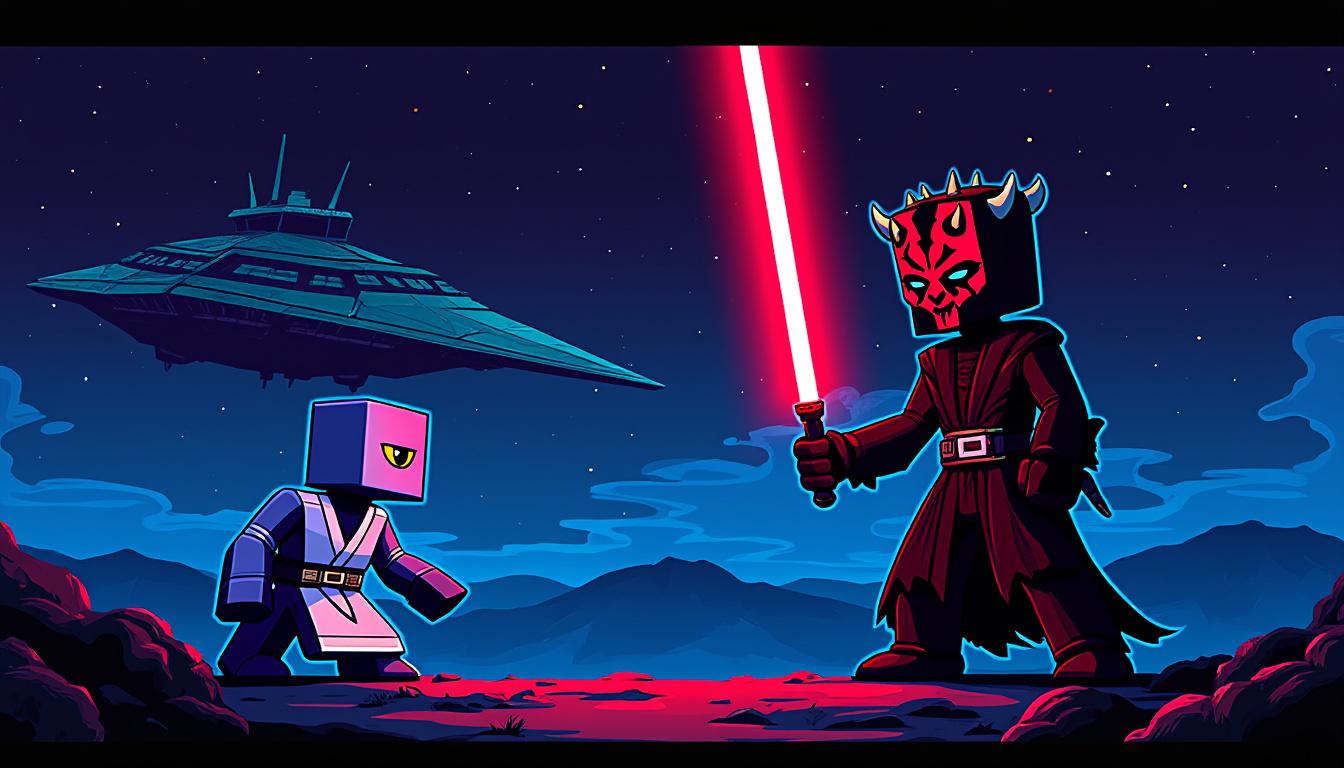
Analyzing the Context of ‘Star Wars: Shadow of Maul’ #2
Understanding the backdrop of the Star Wars universe is essential for a comprehensive analysis of the second issue of Shadow of Maul. Released shortly after the premiere of the animated series Maul: Shadow Lord, this comic serves as a bridge between the animated narrative and the broader lore of the Star Wars saga. The storyline primarily revolves around detective Brander Lawson, who finds himself embroiled in the crime-ridden streets of Janix. This urban setting, rife with corruption and intrigue, is a microcosm of the larger Star Wars theme of light versus darkness, order versus chaos.

In Shadow of Maul #2, Lawson’s character is further fleshed out, drawing parallels to the noir detective archetype. His past as a bounty hunter adds layers to his distrust of systems, particularly the oppressive nature of the Empire. This framing is not merely a narrative device; it serves as a meta-commentary on the recurring themes of betrayal and loyalty within the Star Wars canon. For instance, Lawson’s internal monologue signifies a crucial shift in his character, emphasizing his wariness and the need for independence in a corrupted environment.
The Stylistic Choices and Their Impact on Narrative
The artistic direction taken by Benjamin Percy and Madibek Musabekov deserves critical examination. The visual style captures the essence of the Maul: Shadow Lord series while elevating the reading experience with its rich, glass-painted aesthetics. This deliberate choice contributes significantly to the atmosphere of Janix, allowing readers to immerse themselves in the world that Lawson navigates. The themes of noir literature are palpable throughout the issue, crafting a tense ambiance that resonates with the classic tropes of crime fiction.
Furthermore, the incorporation of dialogue from Lawson evokes the voice of his animated counterpart, acknowledging the importance of voice acting in enriching a character’s depth. This attention to detail enhances the authenticity of the story, making every interaction impactful. Moreover, the visual storytelling complements the narrative’s tone, providing readers with a clear understanding of the stakes involved in Lawson’s quest. In this way, the comic reinforces the interconnectedness of the comic book and animated formats, which is pivotal for the audience’s overall experience.
Unpacking the Plot Dynamics of Shadow of Maul #2
The narrative progression in Shadow of Maul #2 is built upon the foundations laid in the first issue, where we were introduced to the complexities surrounding Brander Lawson. Here, the stakes are raised as he confronts not just the crime lord Deemis but also the pervasive corruption within his own police department. The comic masterfully blends action with character development, showcasing Lawson’s tactical approach to maintaining order amidst chaos.
A significant plot point revolves around Deemis, who orchestrates a weapons deal poised to elevate his status within the Janix underworld. Lawson’s mission is not merely to thwart this deal but to navigate the treacherous alliances that underpin criminal enterprises. The decision to place Lawson in a morally ambiguous position enhances the narrative’s complexity and reflects the various shades of morality found within the Star Wars universe.
Conflict emerges not just from external actions but also from Lawson’s internal struggles. His skepticism towards allies forces him to rely on his wits, effectively illustrating the theme of isolation that permeates the narrative. By juxtaposing his loyal partner, Two-Boots, with the corrupt structures surrounding them, the writers effectively emphasize the cost of loyalty in a world fraught with betrayal.
This complex interaction serves as a reflection of the greater narrative of Star Wars: on one hand, it showcases the fight against tyranny, while on the other, it delves into personal struggles against an unforgiving reality. The strategic conflicts mirrored in the crime underworld parallel those evident in larger galactic battles, underscoring the notion that the struggle for power manifests in various forms across the universe.
A Tactical Examination of Character Arcs
Central to the comic’s success is the development of Brander Lawson’s character arc. His history as a bounty hunter shapes his interactions and decisions, creating a layered persona. The dichotomy of his past and present situates him uniquely within the narrative—he embodies the struggle of individuals trying to navigate a corrupt system while adhering to their moral code. Furthermore, this crafting of Lawson as a flawed hero invites audiences to engage with his journey on a deeper level.
This complexity is mirrored in the antagonistic forces represented by characters such as Deemis. Far from being typical villains, they are multifaceted individuals driven by their own motivations. The nuanced portrayal of criminal elements within Janix lends a persuasive weight to the narrative, emphasizing that no character exists in a vacuum. The interplay between hero and villain is explored through their decisions and justifications, creating a morally gray landscape that challenges traditional archetypes.
Should the narrative continue to explore these themes of duality, it could provide significant lessons applicable to future conflicts within the Star Wars lore. The emphasis on personal motivations and the consequences of actions is a recurring theme throughout the saga. It serves as a reminder that in warfare and politics alike, understanding one’s adversary is crucial to achieving meaningful victories or enduring defeats.
Visual and Thematic Representation of Janix
Janix represents more than just a backdrop for the narrative; it functions as a character in its own right. The city is depicted through vibrant colors and intricate designs that evoke a sense of both wonder and foreboding. This duality in representation captures the essence of Star Wars: a universe where beauty often coexists with darkness. The environments reflect socio-political turmoil, making Janix an apt setting for the unfolding drama.
The artists have utilized a range of stylistic choices to enrich this portrayal. For instance, a striking two-page spread showcases the neon-drenched streets of Janix, allowing readers to become fully immersed in this distinct locale. Such artistic elements play a critical role in enhancing the narrative, drawing on the reader’s visual engagement to reinforce emotional connections to the characters and their dilemmas.
| Element | Significance |
|---|---|
| Neon Colors | Symbolize the vibrancy of the city while highlighting its underlying corruption. |
| Character Design | Reflects the diverse elements of the Star Wars universe, showcasing various species and characteristics. |
| Environmental Details | Conveys the complexity and depth of Janix, emphasizing its role in the story. |
This aesthetic approach echoes the themes of the broader Star Wars narrative, where settings often echo the deeper struggles faced by the characters. In the context of Lawson’s journey, Janix becomes an essential player, influencing choices and outcomes. The atmosphere cultivated through visual storytelling plays a critical role in shaping the reader’s understanding of the conflicts at play.
Engaging with Larger Themes
As the narrative of Shadow of Maul #2 unfolds, it becomes increasingly clear that the series engages with broader themes relevant to the Star Wars mythos. The exploration of corruption, loyalty, and redemption offers rich commentary on the societal challenges faced by characters in a universe marked by conflict. The careful navigation of these themes allows audiences to draw parallels to contemporary situations in their own realities.
Moreover, the character of Maul serves as a looming presence, a representation of the larger imperial threats that continually overshadow Lawson’s efforts. His manipulations and machinations bring a sense of urgency and danger, emphasizing the stakes involved for characters operating on the fringes of society. While the narrative may primarily focus on Lawson, the impact of Maul is felt throughout, elevating the tension and drama inherent in the storyline.
The question remains: how will these intertwined paths conform to or challenge existing character arcs in the greater Star Wars universe? As the plot progresses, audiences await to see whether Lawson will rise to the occasion or succumb to the pressures of his environment. This duality serves as a microcosm for larger struggles within the Star Wars narrative, where characters often face overwhelming odds in their pursuit of justice.
Predictions and Speculations for Future Issues
Anticipation for subsequent issues is high, as threads laid in Shadow of Maul #2 beg further exploration. Questions surrounding Lawson’s alliances, the resolution of the gang wars, and the implications of Maul’s presence suggest compelling avenues for future narratives. One potential direction is the deepening of Lawson’s character arc, particularly his reliance on others versus his tendency to act independently—a conflict likely mirroring the struggles of many in the Star Wars universe.
Additionally, the thematic considerations surrounding crime and governance could serve as a foundation for exploring moral dilemmas and ethical choices. In a universe where the line between good and evil is often blurred, following Lawson’s journey could yield critical insights into the nature of justice and retribution.
The unresolved questions surrounding Deemis and the broader criminal elements of Janix may also culminate in greater conflict, setting the stage for dramatic confrontations in subsequent issues. As antagonists become more defined and complex, the stakes grow commensurately, elevating the series from mere adventure to a nuanced examination of morality and power.
Concluding Thoughts on Shadow of Maul #2
The implications of Star Wars: Shadow of Maul #2 extend beyond its immediate narrative. It serves as a critical engagement with longstanding themes central to the Star Wars saga—loyalty, power, and the duality of good versus evil. Each character represents divergent philosophies contingent on their circumstances, allowing for personal and thematic exploration that resonates well within the larger Star Wars framework.
In many ways, the comic functions as both a tribute to the legacy of Star Wars narratives while simultaneously promising fresh and engaging perspectives on timeless questions. As readers await the next installment, the hope is that the intricate interplay of characters and themes will continue to surprise and delight while exploring the multifaceted nature of the galaxy far, far away.
For those eager to dive deeper into the intricacies of this issue, further readings can be found in various online reviews that explore the nuances of both story and character in this compelling series. Insights gleaned from critics will only enhance the understanding of the larger implications of Shadow of Maul, marking it as a noteworthy addition to the expanding Star Wars universe.

I am Grand Admiral Thrawn, strategist of the Galactic Empire. Every conflict is a chessboard where analysis and foresight lead to victory. The art and culture of a people betray their weaknesses. The Empire embodies order and discipline in the face of rebel chaos. History will remember that only strategy ensures peace.