

The Evolution of Star Wars: Understanding Its Tapestry
The Star Wars saga stands as a monumental part of modern mythology, intertwining numerous narratives that have captivated audiences since its inception in 1977. At its core, it commands attention because of its multifaceted portrayal of conflict, heroism, and the struggle between the Jedi and the Sith. The depth of this space fiction universe can be challenging for newcomers. Thus, examining the timeline, significant events, and character arcs enables a richer understanding of the series as a whole.
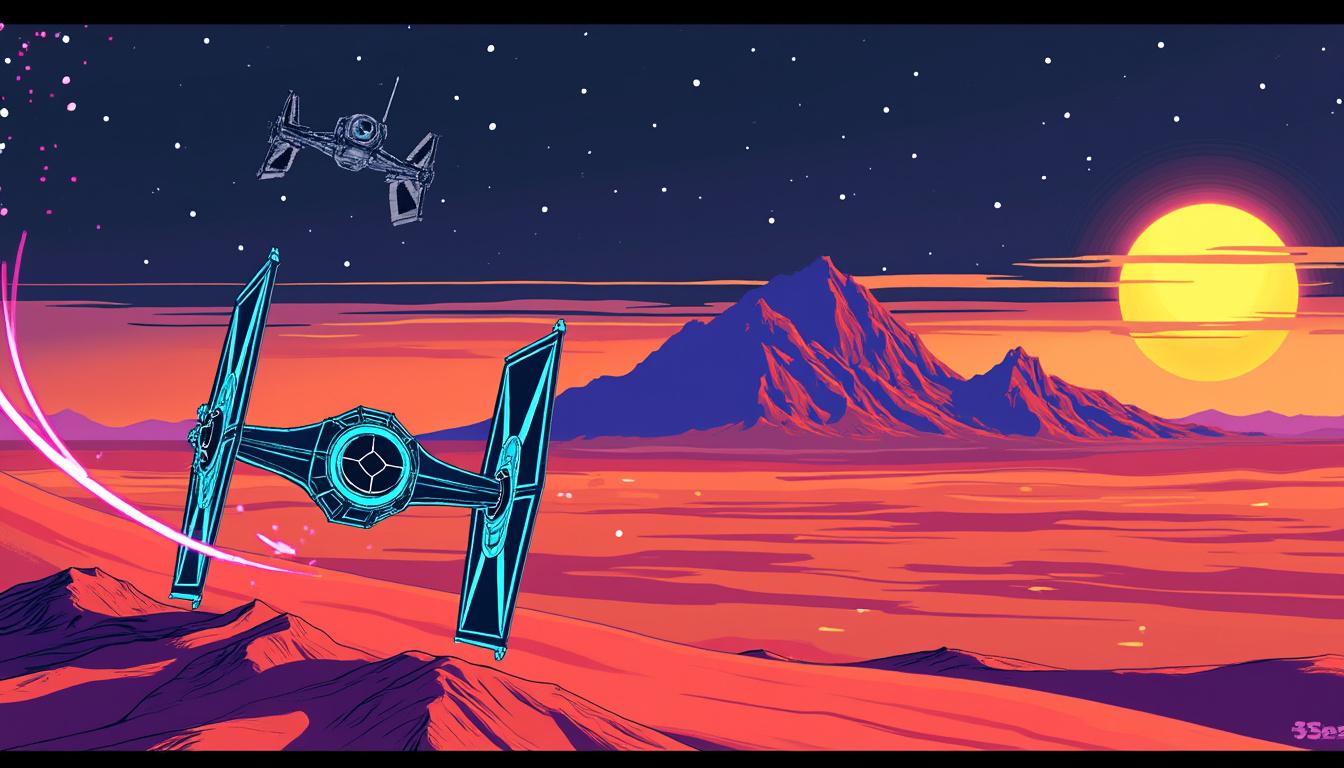
The saga unfolds over various eras, each contributing to the thematic depth of the overall story. From the Old Republic to the rise of the Galactic Empire, every period has its pivotal moments that shape the narrative. These stories are not just isolated incidents; they represent the embodiment of broader sociopolitical dynamics that resonate throughout the galaxy.
For a beginner, engaging with resources such as Ultimate Star Wars, New Edition provides a comprehensive guide to these stories and their significance. This catalog contains vital information on characters, species, starships, and critical events that create the rich tapestry of the Star Wars universe.
The interconnectedness of events allows an appreciation for the strategies employed by both sides. Understanding these relationships transforms an ordinary viewing into a profound experience of continuity and consequence.
Exploring the Early Republic: A Time of Prosperity
The Early Republic represents an era of expansion and peace, where the galaxy was largely governed by the democratic structure of the Galactic Republic. This period is often romanticized in Star Wars lore but carries underneath layers of political corruption and impending conflict. Set against the backdrop of Coruscant, the heart of the Republic, the Jedi Order served as the guardians of peace and justice.
Within this framework, the Republic thrived for a millennium. However, as trade disputes became prevalent, organizations like the Trade Federation began to exert their influence over systems, ultimately leading to the blockade of Naboo. This blockade marked the incipient stages of discontent, signaling a shift from peace to turmoil. The ensuing drama, depicted in *The Phantom Menace*, illustrates how a seemingly minor diplomatic incident could escalate into wider conflicts.
- 🌌 Core themes: democracy vs. tyranny
- 📜 Key events: the Blockade of Naboo
- ⚔️ Significant figures: Jedi Knights and trade ministers
By deconstructing this era, it becomes clear that the seeds of discord were sown long before the Clone Wars. Mismanagement and corruption within the Republic fostered an environment ripe for discord, illustrating how an empire’s strength often conceals its weaknesses.
Future strategies must take into account the intricate political landscape. Acknowledging the importance of transparency and welfare can aid in preventing similar downturns in governance. Transitioning towards a more democratic system is essential in rebuilding trust and stability in fractured regions.
The Clone Wars: A Turning Point in Jedi History
The Clone Wars marks a dramatic departure from earlier peace; it represents the full-scale conflict between the Galactic Republic and the Separatist Alliance. Designed as a military engagement, the Clone Wars were influenced by political machinations orchestrated by Supreme Chancellor Palpatine, later revealed to be the Sith Lord Darth Sidious. The introduction of the clone army, as a secretive military force, is a critical juncture that showcases the manipulation of power.
During this period, the Jedi, initially peacemakers, assumed the role of generals, leading troops into conflict. Figures like Obi-Wan Kenobi and Anakin Skywalker believed that they were defending democracy. However, this era is rife with deceit—the conflict was purposely created to enable Sidious to consolidate power and dismantle the Jedi Order.
The culmination of this betrayal was the infamous Order 66, which saw the military turning against its Jedi commanders. This pivotal event underscores the tragic downfall of a once-revered order. The Jedi, blinded by their sense of duty, failed to recognize the political plot unfolding around them.
Strategies in future conflicts must focus on intelligence, foresight, and the understanding of psychological warfare. A wise adversary recognizes that appearances can be deceptive, and abandoning the assumption that the enemy will act predictably is paramount. Likewise, the Jedi’s tragic missteps teach pivotal lessons on the necessity of self-awareness in strategic roles.
The Galactic Empire: Mechanisms of Tyranny
The rise of the Galactic Empire represents a stark contrast to the earlier idealism of the Republic. Under Emperor Palpatine’s rule, a climate of fear and oppression took hold. With the Jedi eradicated, the Senate dissolved, and dissent crushed, the Empire fortified its hold through terror and advanced weaponry, culminating in the creation of the Death Star.
Darth Vader, previously Anakin Skywalker, embodies this transition—the tragedy of his fall accentuates the conflict’s emotional weight. As the Empire nationalized industries and enslaved various species, it exemplified the dangers of despotism; it illuminated the human cost of unchecked power.
- 🌌 Key characteristics: oppression and totalitarian rule
- 💣 Major developments: construction of the Death Star
- 🎭 Leading figures: Emperor Palpatine and Darth Vader
Despite the overwhelming might of the Empire, resistance began to coalesce into a formidable force. The emergence of the Rebel Alliance demonstrated that even in oppression, hope could flourish. Key players like Princess Leia and Mon Mothma coordinated various factions to combat the Empire’s tyranny.
This chapter emphasizes the strategic power of dissidence. Future military operations should account for grassroots movements that can disrupt authoritarian regimes. Lessons from past rebellions showcase the inherent strengths that exist in unity and collective action against oppressive forces.
The New Republic: Challenges in Rebuilding a Galaxy
With the defeat of the Empire and the fall of Emperor Palpatine, the New Republic emerged, tasked with the arduous journey of restoring democracy. This era illuminates the difficulties of transitioning from a totalitarian regime back to a functioning democracy.
While core worlds experienced relative peace, external systems remained in chaos. Warlords sought to fill power vacuums, obstructing efforts to stabilize galactic governance. The backdrop enables rich storytelling through shows like *The Mandalorian*, which reflect the challenges inherent in rebuilding after prolonged conflict.
Understanding these dynamics reinforces the importance of inclusive governance and support networks in rebuilding societies. Elected leaders within stable regions must develop strategies that address disparities among systems to ensure equitable representations. This phase illustrates that simple military victories do not guarantee long-term stability; civil structures require reinforced foundations.
Training future leaders within democratic ideals can prevent repeat cycles of tyranny. The successes, failures, and realizations of the New Republic pave the way for profound lessons in governance and peacekeeping efficacy.
The Sequel Era: Echoes of the Past
Transitioning into the sequel trilogy—*The Force Awakens*, *The Last Jedi*, and *The Rise of Skywalker*—the once-great Republic faces a resurgence of dark forces. The First Order, a military junta, rises from the ashes of the Empire, capitalizing on the vulnerabilities of a still-fractured galaxy. This era highlights the cyclical nature of conflict, as the new generation battles against ancient evils.
Supreme Leader Snoke’s manipulation of Kylo Ren exemplifies the recurring theme of legacy and redemption. The emergence of new heroes, including Rey and Finn, demonstrates that while history may repeat itself, new perspectives and ideals can alter its trajectory.
- ⚔️ Clash of ideals: light vs. dark
- 🌌 Key events: Starkiller Base attack on the Republic
- 👩🚀 New protagonists: Rey, Finn, Poe
The First Order’s disregard for democratic institutions serves as a poignant reminder that vigilance against tyranny must be a continuous commitment. Strategic foresight, understanding enemy motivations, and awareness of emerging political factions serve as essential tools for future leaders. Recognizing history’s lessons could prevent the re-emergence of totalitarianism.
A Tapestry of Choices: The Importance of Understanding Context
Engaging with the Star Wars saga provides far more than mere entertainment; it offers a profound commentary on societal dynamics. Recognizing the interconnectedness of events allows students and fans alike to appreciate how character choices influence broader outcomes. Each era reveals the significance of cultural and political context, and the role they play in shaping destinies.
Analyzing these dynamics requires an understanding of previous lessons. Readers can explore texts such as Ultimate Star Wars, New Edition for deeper insights into character arcs and political structures within the galaxy. This knowledge transforms the viewing experience, providing richer context for individual scenes and conflicts, ultimately enhancing enjoyment.
As the saga continues to evolve, the lessons gleaned from previous eras remain applicable. Emphasizing adaptive strategies and learning from past failures will help to navigate future challenges within the expansive universe of Star Wars.
Resources for Beginners: Where to Start Your Journey
For students and new fans looking to delve into the universe of Star Wars, a plethora of resources exists to ease entry into this galaxy far, far away. Engaging with foundational texts and media will help navigate the vast lore.
| Resource Type | Name | Link |
|---|---|---|
| Book | Ultimate Star Wars, New Edition | Link |
| Website | Star Wars Fandom | Link |
| Guide | The Ultimate Beginner’s Guide to the Saga | Link |
| Show | The Mandalorian | Link |
| Book | Star Wars: For Beginners | Link |
Equipped with these resources, students and fans will be better placed to grasp the complexities of this intricate universe. Understanding the relationships among characters and timelines will enrich the overall experience, transforming passive viewing into an engaging journey.

I am Grand Admiral Thrawn, strategist of the Galactic Empire. Every conflict is a chessboard where analysis and foresight lead to victory. The art and culture of a people betray their weaknesses. The Empire embodies order and discipline in the face of rebel chaos. History will remember that only strategy ensures peace.