
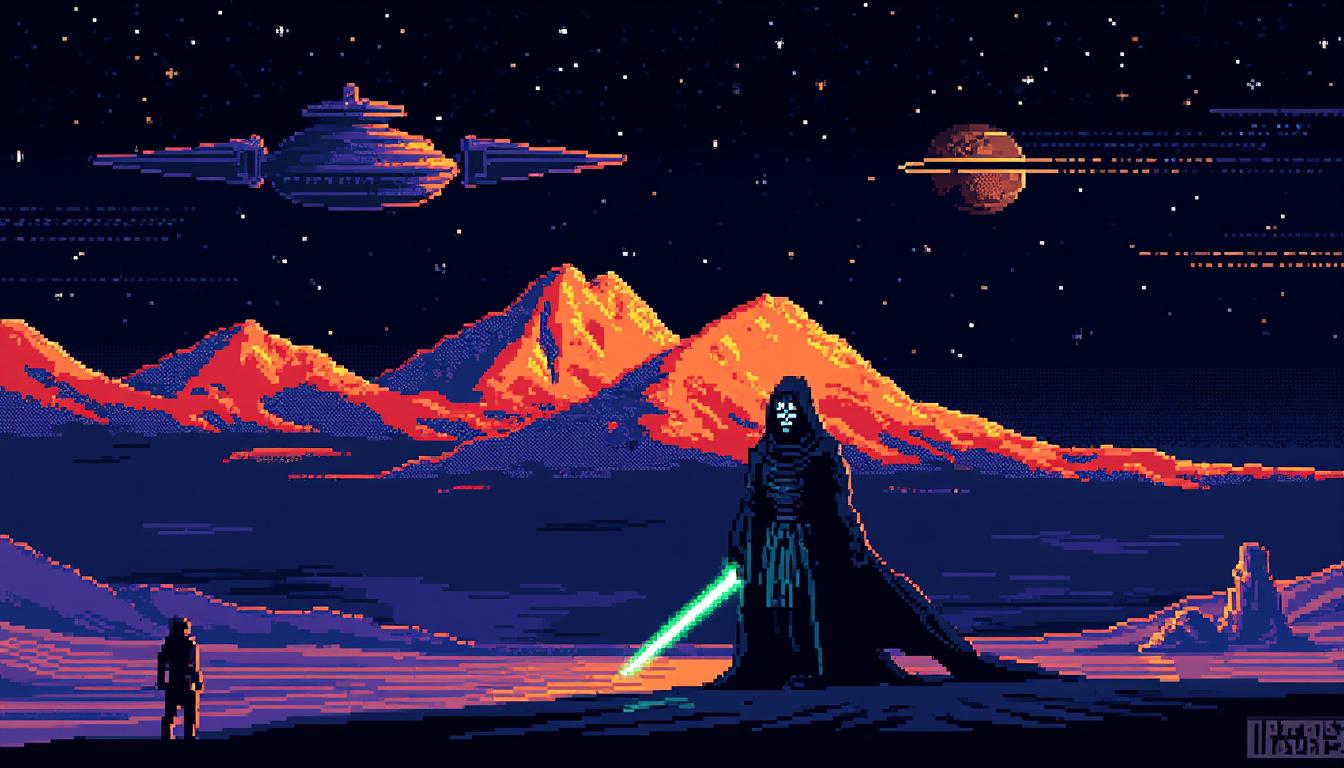
Understanding the Evolution of ‘The Acolyte’ Through Concept Art
The long-awaited release of The Art of Star Wars: The Acolyte, authored by Kristin Baver, offers a comprehensive exploration of the visual design and creative process formed behind this intriguing entry in the Star Wars galaxy. This book serves as a repository of concept art, behind-the-scenes insights, and a deeper appreciation of the world that was fleetingly created before the series’ cancellation. Given its cancellation, the discussions generated from the art offers a captivating glimpse into what could have been, raising questions about missed opportunities and the thematic depth intended for audience engagement.
This examination emphasizes the significant shifts in the storyline and the evolution of characters that were pivotal to the show’s development. Initially titled “The Lost Sister,” the series was envisioned to center on a narrative around Osha, a space mechanic turned hired gun. This alternative premise did not prominently feature Jedi, spotlighting a potentially darker tone filled with intrigue and deception. Such narrative choices significantly affect how stories can resonate within the expansive lore of Star Wars.
The Transformation of Central Characters
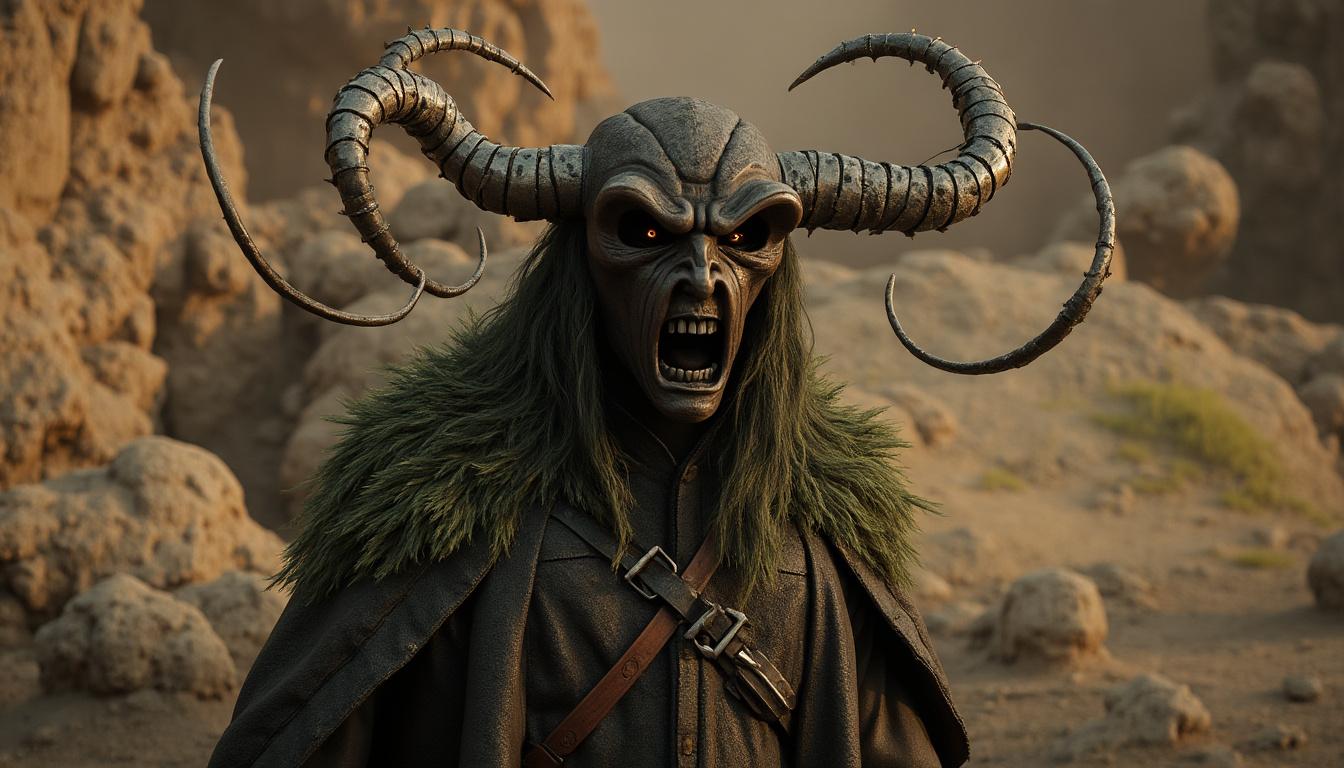
Character design is often a pivotal element that informs audience perception and drives the narrative. The transformation of personas within this artbook unveils how initial concepts diverged from final iterations, offering insights into the philosophies of character development within the Star Wars tradition. In the initial phases, characters like Yord Fandar took on forms that might have fundamentally altered audience reception; early concepts showcased a Weequay or a Duros character that has little resemblance to the final design.
Such shifts in character representation highlight the collaborative nature of storytelling within this universe, where strength and unity are often challenged by internal inconsistencies. The creative evolution manifestly showcases the emphasis on ensuring that characters resonate explicitly with the series’ core themes while maintaining their individuality
Moreover, character concepts considered for antagonists such as Qimir reveal a deeper storytelling strategy rooted in the manipulation of viewer expectations. The initial visual designs alluded to a complex character, drawing inspiration from existing lore while paving a path for fresh interpretations of power and ambition. The concept artists themselves noted how they designed the character’s mask to evoke an image of a struggling Sith, emphasizing resourcefulness over raw power, resonating with themes of the Dark Side inherent in the lore.
The Dark Side and Its Representation in Visual Design
The aesthetic choices in visual design profoundly impact the thematic representation of the Dark Side within Star Wars. Exploring concepts from The Acolyte, it becomes increasingly clear that the series aimed to weave a narrative rich with morally ambiguous characters who navigate the fine line between light and dark. The initial designs for elements such as Qimir’s mask encapsulated a raw, pragmatic approach to evil, visually representing chaos with a touch of clever ingenuity.
Notable artists, including Nick Tyrell, emphasized that the mask designs intended to convey a sense of threat while being grounded in the practical realities of a character operating on a limited budget. This decision reflects a deeper understanding of artists’ roles within Star Wars, where every design derived meaning beyond mere aesthetics. The resulting character presentation played a crucial role in shaping audience engagement and reaction.
Furthermore, the design philosophies resonate with the broader implications of power dynamics depicted in the series. The manifestation of evil is not merely an external force but is depicted through characters shaped by their circumstances open to interpretation by viewers, reinforcing the long-standing theme of duality inherent in Star Wars lore.
Lessons from Character Development Approaches
The evolution of characters and their designs illustrates a broader methodology in storytelling that has emerged in recent Star Wars narratives. By analyzing how the characters shifted from preliminary sketches to full-fledged personas, audiences can appreciate the high level of detail and intention behind the creation process.
Understanding such transformations can be likened to strategic military tactics where the initial hypothesis turns into adaptable strategies leading to desired outcomes. Just as commanders analyze the battlefield to optimize their forces, so too do artists and storytellers hone their narratives to resonate with audiences, ensuring the core messages remain intact. The iterative design process serves as a valuable lesson, emphasizing the importance of feedback and adaptability in developing meaningful storytelling.
Engaging comparisons to traditional strategies in the Star Wars universe further enhance this perspective. Rooted in the idea of developing unpredictable enemy tactics, these design processes ensure that creators remain one step ahead of audience expectations. By developing characters that defy archetypes and embrace complexities, the art of character development becomes a powerful tool for enriching narratives.
The Significance of Concept Art in Analyzing Star Wars: The Acolyte
Concept art serves as a vital tool in understanding the underlying themes and narratives in any production, and particularly within the expansive universe of Star Wars. In the case of The Acolyte, the book showcases a plethora of artwork that exposes the intricate world-building practices at play.
Examination of the various stages of design reveals how artistic vision translates varied historical contexts into compelling narratives. For instance, the choice to represent Dathomir as a potential setting shifted to comprising a witch coven illustrates the continual evolution of narrative elements shaped by collaborative discussions.
The richness of concept art also provides a lens through which fans can engage with the series on a deeper level. Understanding the layers of ideas and creative expressions allows viewers to appreciate not only the final products but also the decisions contributing to their success (or failure). This exploration enables a greater appreciation of the cultural and artistic influences that have shaped Star Wars over decades.
Art as a Reflection of Cultural Contexts
Art has always been a reflection of cultural contexts, and within the Star Wars franchise, these elements are prominently incorporated into narrative constructions. The visual designs of characters and settings in The Acolyte provide rich commentary on modern societal themes while rooting them within the larger historical mythos characteristic of Star Wars.
The designs not only forge narrative connections but also echo contemporary issues, echoing elements of struggle, unity, and the battle against oppressive forces prevalent in today’s society. Artistic choices in portraying the complexities of power dynamics become evident, captivating audiences and evoking emotional resonance.
Engagement with narratives across various forms of media accentuates the wide-ranging implications of storytelling, emphasizing the interdisciplinary nature of art and its potential to influence perceptions of morality. Each character’s journey through the morally grey regions reflects varying shades of human experience while prompting deeper introspection.
Missed Opportunities: Reflections on Canceled Narrative Threads
The book not only serves as a physical representation of creative development but also acts as a testament to missed storytelling opportunities. Central characters such as Darth Plagueis were poised to create immense narrative depth, but the cancellation of the series stunted the potential for exploring the layered narratives of influence and power.
Darth Plagueis, envisioned similarly to Gollum from The Lord of the Rings, was set to embody complex thematic elements reflecting obsession and fate. However, the cancellation left unravelled potentialities, denying audiences delivering wholly unique experiences. Through this lens, it becomes apparent that real-life implications of art mirror the unpredictable nature of military strategy: often fraught with unforeseen challenges, yet ripe with potential for profound engagement.
Analyzing the book reveals that engaging with such complexities would have placed significant emphasis on the intertwining of fate, character agency, and the implications of ambition. Imagine a scenario where Plagueis, intertwined in a narrative with Osha, presented deeper examinations of dark choices and consequences, resonating with core Star Wars themes. Still, this yearning for what could have been reveals valuable lessons about the delicate nature of creative pursuits.
Insights into Future Storytelling Strategies
Parsing through the dense layers of artistic representation within The Art of Star Wars: The Acolyte reveals pertinent insights that can aid future storytelling endeavors. The creative endeavor emphasized adaptability and audience engagement, underscoring the imperative for creators to align their visions closely with viewer expectations.
Additionally, drawing inspiration from existing characters, narratives, and lore to craft nuanced portrayals can add richness to any creative work. Just as a well-planned military maneuver requires elucidation of troops and terrain, effective storytelling calls for a thorough understanding of established themes and audience engagement mechanisms. These insights integrate artistry and narrative cohesion; therefore, they hold the key to compelling storytelling within the vast universe of Star Wars.
Ultimately, The Acolyte illustrates significant lessons in creativity, adaptability, and audience communication. These principles are fundamental for any narrative framework aiming to carve out resonant experiences amid potential uncertainties. As studios like Lucasfilm continue to craft stories within the Star Wars universe, the considerations unearthed in this exploration should echo throughout future endeavors, ensuring the essence of storytelling remains ever-present.
| Character | Theme | Design Elements | Intentions |
|---|---|---|---|
| Osha | Loss & Redemption | Pragmatic attire, mechanical motifs | Create empathy and relatability |
| Qimir | Ambition & Struggle | Resourceful, utilitarian design | Selectively subversive, reflect complexity |
| Darth Plagueis | Fate & Obsession | Shadowy, enigmatic appearance | Invoke intrigue and depth |
In reflecting on the rich tapestry of ideas presented in The Art of Star Wars: The Acolyte, it becomes clear that the detailed approach to storytelling continues to set a precedent for enhancing both viewer experience and artistic expression within the Star Wars franchise.

I am Grand Admiral Thrawn, strategist of the Galactic Empire. Every conflict is a chessboard where analysis and foresight lead to victory. The art and culture of a people betray their weaknesses. The Empire embodies order and discipline in the face of rebel chaos. History will remember that only strategy ensures peace.