

Overview of ‘William Shakespeare’s Star Wars: The Mandalorian of Nevarro’
‘William Shakespeare’s Star Wars: The Mandalorian of Nevarro’ marks a significant return for the series, bringing a fresh, theatrical perspective to the esteemed universe of Star Wars. This adaptation, crafted by Ian Doescher, reinterprets the first season of the acclaimed Disney+ series ‘The Mandalorian’. It retains the core plot elements while enveloping them in Shakespearean language and style, thus creating an engaging juxtaposition between classic literature and modern storytelling.
Because of its unique form, this interpretation invites a closer examination of the characters, their motivations, and the overarching narrative structure. Doescher’s skilled hand in transforming cinematic narratives into theatrical scripts is evident, allowing for an examination not merely of the storyline itself but of the intricate dynamics among characters in this beloved universe.
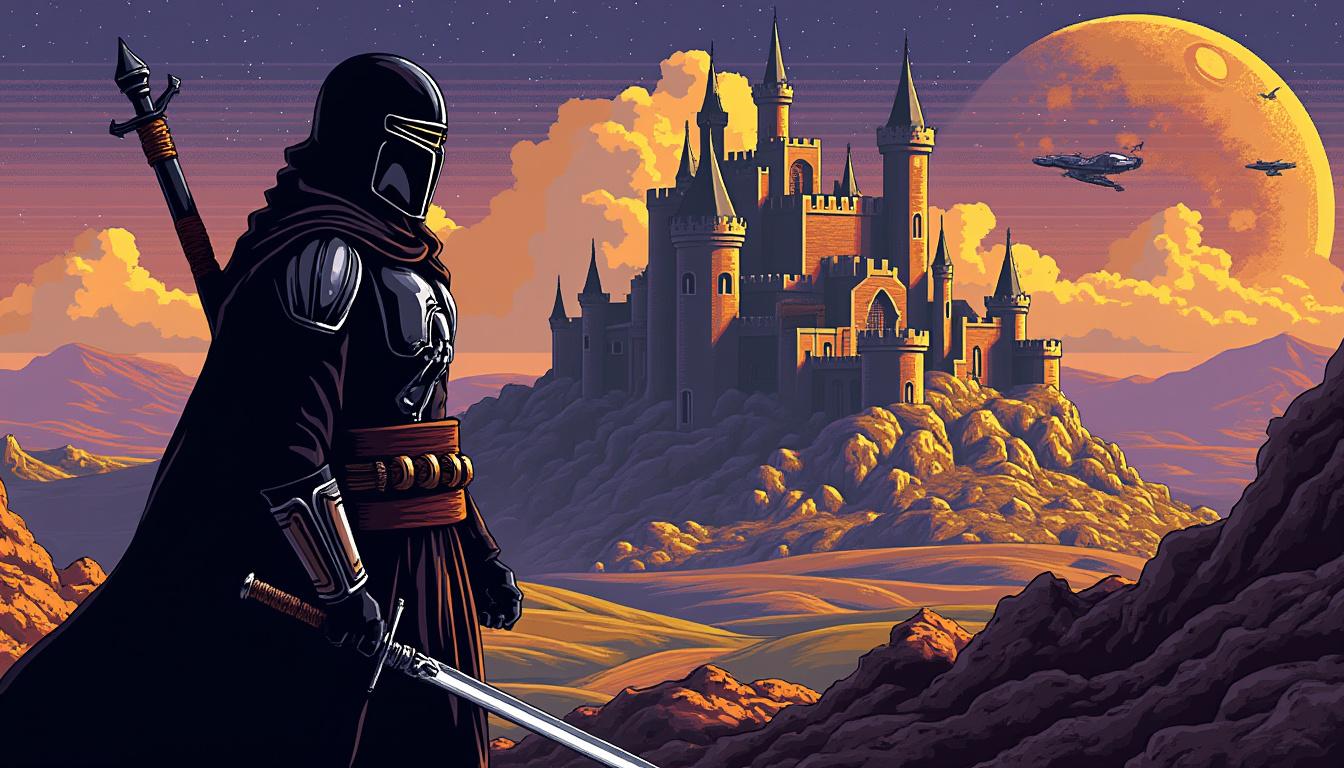
Structure and Adaptation Choices in the Play
The adaptation consists of selected chapters from the original series, notably Chapters 1-4, as well as concluding scenes from Chapters 7 and 8. Notably absent are Mando and Grogu’s journeys to Tatooine and the New Republic prison ship, yet these gaps do not diminish engagement. Instead, new scenes are woven in that expand on character interactions, such as a creative dialogue between Mando and Cara Dune.
This unique construction reflects Doescher’s intention to maintain dramatic tension and character development, even as some narrative elements are synthesized. Characters are given room to flourish, particularly through dialogues that resonate deeply within a Shakespearean context, thereby enriching the storytelling experience.
Character Dynamics and Development
In ‘The Mandalorian’, the titular character, often perceived as stoic and non-theatrical, undergoes a transformative reimagining. Doescher infuses Mando with Shakespearean flair, granting him a more vibrant presence on stage while remaining true to his core attributes. The challenge of expressing Mando’s internal monologues and motivations through grand speeches is met effectively by Doescher, allowing the character to shine in a manner that is both engaging and true to the source material.
This approach not only revitalizes Mando’s character but also creates a sense of depth that might otherwise be overlooked in a more straightforward adaptation. Such character nuance enriches the audience’s understanding of Mando’s struggles and motivations, making his journey more compelling.
The Role of the Child and Creative Adaptations
Another primary focus of the narrative is the Child, often humorously referred to as ‘Baby Yoda’. Here, Doescher remains clever in how he depicts the Child’s speech. Using a similar format to that of Yoda’s dialogue, the Child communicates through simplified expressions, maintaining an air of innocence and wonder. This choice adds a humorous layer to the adaptation while keeping the Child at the center of the drama.
Doescher’s strategy to present the Child’s dialogue as a series of playful utterances resonates well with audiences. These interactions ensure that the Child retains an essential narrative role without overshadowing Mando’s character development. Thus, both characters complement one another, reinforcing the themes of growth and connection, reminiscent of the relationships explored in Shakespearean works.
Artistic Choices and Cultural References
Doescher’s adaptation is rife with cultural references and clever Easter eggs that appeal to avid fans of both ‘Star Wars’ and Shakespeare’s works. By including nods to various elements from the Star Wars saga—such as historical Jedi references and certain iconic phrases—the adaptation does an admirable job of merging these two artistic traditions. This creates a tapestry woven with the threads of popular culture, drawing connections that pique curiosity.
These artistic choices allow for deeper engagement with the text, enticing scholars and casual fans alike to ponder the significance of these references. They serve not only as charming nods but also as invitations to explore themes common in both Shakespearean drama and the broader Star Wars narrative.
Lessons in Leadership from Mando
Throughout the adaptation, the character of the Mandalorian acts as a study in leadership. His stoic demeanor, coupled with crucial decision-making moments, provides lessons applicable to real-world leadership paradigms. Mando’s interactions illustrate the necessity of mentorship and collaboration, qualities inherently valuable in any leadership framework.
Analyzing Mando’s role offers insights into the importance of balancing authority with empathy. In a galaxy fraught with conflict and moral ambiguity, these qualities shape not only his journey but also the destinies of those around him. Such character-driven lessons remain relevant, resonating far beyond the confines of the narrative.
Conclusion on the Legacy of the Adaptation
‘William Shakespeare’s Star Wars: The Mandalorian of Nevarro’ not only honors the existing narrative but also enriches it with additional layers. By employing theatrical techniques and dramatic interpretations, Doescher breathes new life into the Mandalorian saga, allowing it to resonate with a broader audience. This adaptation stands as a testament to the enduring power of storytelling, demonstrating how classical literature can find a home in contemporary media.
The cultural fusion presented through these pages offers a captivating experience for fans, old and new. Shakespeare’s influence permeates the fabric of this galaxy far, far away, showcasing the limitless potential of adapting beloved stories through innovative lenses.
Noteworthy Features and Highlights
- 📖 Adaptation of the iconic Star Wars narrative
- 🎭 Integration of Shakespearean dialogue and themes
- ✨ New character interactions and creative scenes
- 🐣 The portrayal of the Child maintains narrative significance
- 🎉 Cultural references enrich the reimagining of the story
Character Table: Major Players in the Adaptation
| Character | Role in the Adaptation |
|---|---|
| Mandalorian | Protagonist, explores themes of leadership and perseverance |
| The Child | Symbolizes innocence and connection, adds comic relief |
| Cara Dune | Companion of Mando, provides key additional context |
| Stormtroopers | Serve as comic relief while referencing broader lore |

I am Grand Admiral Thrawn, strategist of the Galactic Empire. Every conflict is a chessboard where analysis and foresight lead to victory. The art and culture of a people betray their weaknesses. The Empire embodies order and discipline in the face of rebel chaos. History will remember that only strategy ensures peace.