
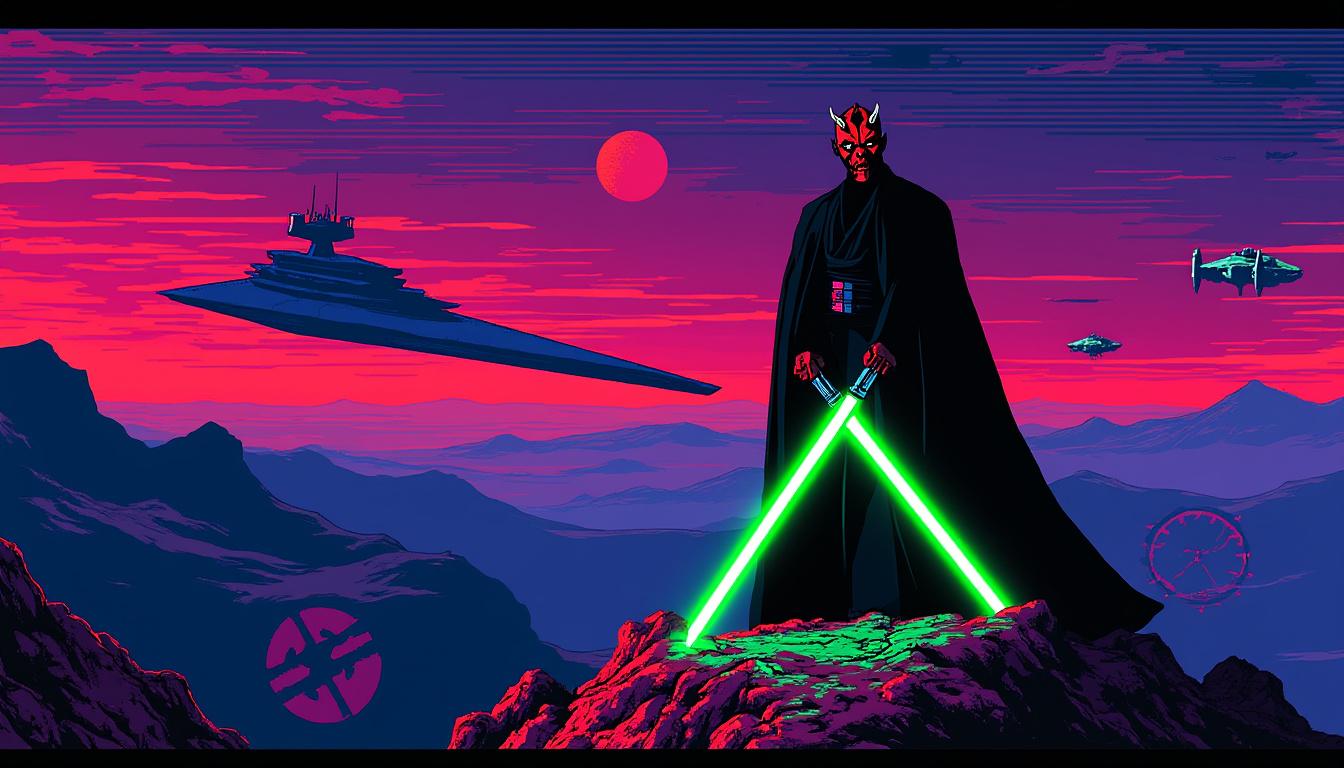
Maul: Shadow Lord—A Bold Narrative Shift in Star Wars Animation
The release of Maul: Shadow Lord marks a pivotal moment for Lucasfilm Animation, as it ventures into complex storytelling that intricately weaves together dark themes and character development. This series encapsulates the essence of the Star Wars universe’s exploration of the boundaries between light and dark, especially through the character of Maul. Elevated by its compelling plotlines and richly drawn characters, Maul: Shadow Lord presents a nuanced approach to the life of a former Sith Lord post-Clone Wars.
The first two episodes, “Chapter 1: The Dark Revenge” and “Chapter 2: Sinister Schemes,” focus on Maul’s vengeance against those who betrayed him. His cunning motives expose a mind adept at manipulation and strategy, which leads to engaging confrontations with both allies and adversaries. The result is a deeply engaging narrative that not only explores Maul’s psyche but also examines the nature of justice in a lawless galaxy.
Artistic and Technical Mastery of Lucasfilm Animation
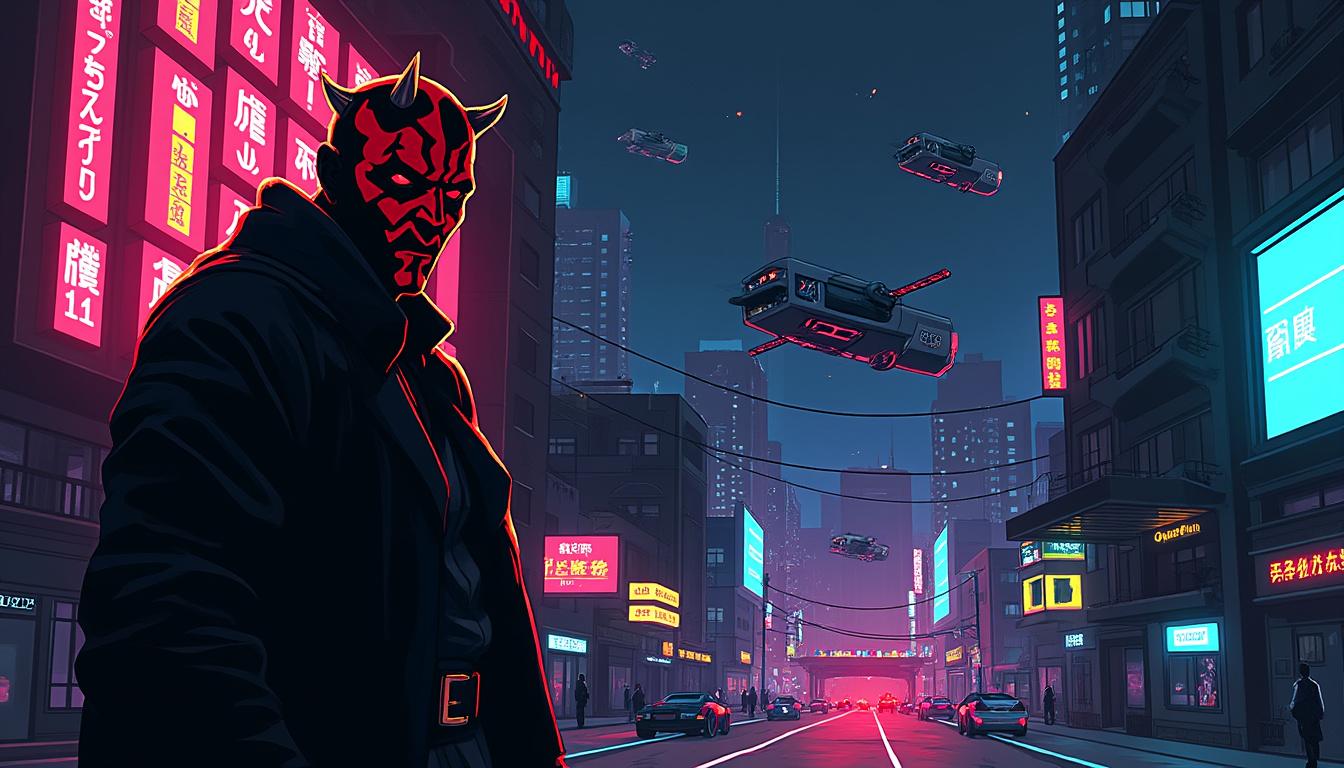
Visually, the series is nothing short of a technical triumph. Building upon the esteemed visual style established in previous series such as The Clone Wars, it enhances every frame with meticulous attention to detail. The use of film grain and a brushstroke aesthetic lends the animation an impressionistic quality that transforms each episode into a visual masterpiece. This artistic choice enriches the storytelling experience, allowing viewers to immerse themselves fully in Maul’s treacherous world.
The animation is complemented by a powerful score from the Kiner family, renowned for their previous work within the Star Wars franchise. The sound design creates an intense atmosphere, enhancing every lightsaber clash and dramatic moment. Notably, the fast-paced editing during action sequences, such as the freeway chase in Chapter 2, showcases the animators’ skill in rendering dynamic, pulse-pounding moments that engage the audience.
Moreover, the series resonates with the sophisticated narrative style that is often seen in crime dramas. The inclusion of Detective Lawson adds a layer of depth, bridging the gap between the traditional Star Wars storytelling and contemporary cinematic conventions. These components combine to create a visual and auditory feast that stands out in an era saturated with animated series.
The Intricate Character Dynamics at Play
A significant strength of Maul: Shadow Lord lies in its well-developed characters. The character of Maul himself is complex; he is both a product of his dark past and a master manipulant. In the initial episodes, viewers witness his machinations unfold as he plots revenge against crime bosses Deemis and Vario, brilliantly framing them against each other.
Additionally, the dynamic between Maul and Devon Izara serves as a critical narrative thread. As a Jedi in hiding, Devon’s interactions with Maul allow for thematic exploration of belief systems and their impact on personal agency. Maul’s tactics, often psychological rather than purely physical, are reminiscent of the manipulative strategies employed by political leaders and war strategists alike. This brings forth a compelling discussion on the nature of power and the allure of the dark side.
- 🧠 Maul’s psychological manipulation of Devon tests her loyalty to the Jedi Order.
- 🔍 Detective Lawson’s relentless pursuit of Maul adds stakes to the storyline.
- 🤔 The contrasting ideologies between characters prompt viewers to reflect on their values.
Detective Lawson: The Nuanced Antihero
Detective Lawson emerges as another focal point in the narrative, portraying the archetype of a weary detective faced with insurmountable odds. His character is reminiscent of noir protagonists, burdened by personal demons and an overwhelming sense of pursuit. This approach is a refreshing addition to the Star Wars universe, showcasing the shades of grey often overlooked in traditional narratives.
The addition of Lawson’s backstory illustrates the human cost of the ongoing conflict beyond the Jedi-Sith duel. He represents the small-time individual who gets caught up in a larger scheme, an example of collateral damage in the broader power struggles of the galaxy. This narrative choice emphasizes the multi-dimensional perspectives present in the storyline, making the universe feel more alive and intricate.
As the series progresses, the audience is likely to see further developments in Lawson’s character, perhaps revealing a deeper connection to the overarching plot. His struggles and sacrifices may resonate with viewers, allowing them to empathize with his plight and investment in bringing Maul to justice.
Analytical Breakdown of Themes and Symbolism
Thematically, Maul: Shadow Lord explores complex moral questions and the duality of identity. Themes of vengeance, loyalty, and the struggle for one’s soul are prevalent, prompting a critical examination of the choices made by each character. Maul’s quest for revenge serves as a lens through which the consequences of betrayal and the cost of ambition can be examined.
This exploration is enriched by the symbolic dichotomy between light and dark—a hallmark of the Star Wars saga. As Maul attempts to reclaim his position in the underworld, the series invites viewers to ponder whether redemption is possible and at what cost. Each interaction with Devon and Lawson serves as a reminder of the thin line between light and dark that all characters tread.
The visual symbolism often parallels these themes, with darker color palettes symbolizing Maul’s internal struggle while brighter hues suggest hope and redemption. The use of shadows, in particular, accentuates the moral ambiguity that is central to the storyline, challenging the audience to question preconceived notions of good and evil.
Potential Strategic Missteps: A Military Perspective
From a strategic standpoint, Maul’s maneuvers exhibit both tactical brilliance and inherent flaws. For example, his plan to pit crime lords against each other demonstrates keen insight into underworld dynamics. However, his overconfidence in executing this plan without regard for unforeseen consequences mirrors military historical failures where leaders have awaited too long without considering potential counteractions.
This strategic miscalculation could leave him vulnerable to retaliation from both sides. A lesson for future conflicts is the importance of adapting tactics to mitigate risks associated with aggressive maneuvers. The fallibility of even the most astute strategists serves as a cautionary tale for viewers and characters alike.
Moreover, the series showcases the necessity of understanding one’s adversaries and adapting counter-strategies. These lessons in conflict resolution resonate beyond the Star Wars narrative and mirror real-world military analysis where adaptability determines success.
Character Evolution and Future Potential
The first two episodes of Maul: Shadow Lord lay a robust foundation for character development. Maul’s interactions with both Detective Lawson and Devon can serve as catalysts for transformation, pushing them toward defining moments that will shape their arcs as the series progresses.
For Maul, the return to his roots as a criminal mastermind juxtaposed against his encounters with Jedi themes creates opportunities for further exploration of his character’s moral complexities. As the narrative unfolds, viewers may witness a gradual shift in Maul’s ideology, possibly leading him to question his path, akin to the journeys of characters like Anakin Skywalker.
Detective Lawson, for his part, has the potential for significant evolution as he grapples with the moral implications of his actions and what justice truly means in a corrupt galaxy. As the line between hunter and hunted blurs, viewers are likely to see a nuanced depiction of law enforcement within the Star Wars universe.
Final Thoughts on Artistic Triumph and Viewer Engagement
Maul: Shadow Lord stands as a testament to the evolving landscape of animated series within the Star Wars franchise. By engaging with deeper themes through its technical and artistic triumphs, it engages a diverse audience eager for narratives that challenge traditional storytelling norms.
The vibrant animation and compelling score amplify the sense of immersion, while the stories of Maul, Lawson, and Devon serve to reflect the complexities of morality and the impact of choices on individuals and society. This attention to detail and commitment to rich storytelling reaffirm that Lucasfilm Animation is adept at not only captivating fans but also prioritizing artistic integrity.
As the series progresses, viewers can anticipate further expansions of character arcs and ongoing developments that may redefine their understanding of the Star Wars narrative fabric. For a deeper insight into the series, engaging resources like the official Star Wars website provide additional context and updates.
| Episode Title | Key Themes | Character Focus | Visual Style |
|---|---|---|---|
| Chapter 1: The Dark Revenge | Revenge, Betrayal | Maul, Detective Lawson | Impressionistic, Dark |
| Chapter 2: Sinister Schemes | Manipulation, Loyalty | Maul, Devon Izara | Dynamic Action, Vibrant |

I am Grand Admiral Thrawn, strategist of the Galactic Empire. Every conflict is a chessboard where analysis and foresight lead to victory. The art and culture of a people betray their weaknesses. The Empire embodies order and discipline in the face of rebel chaos. History will remember that only strategy ensures peace.