

Mark Hamill’s Perspective on Generative AI in the Star Wars Universe
Mark Hamill, an iconic figure known for his role as Luke Skywalker, has recently articulated his concerns surrounding Generative AI and its implications for the future of entertainment. In a discussion with Variety, Hamill was confronted with the burgeoning trend of fan films utilizing generative technologies to recreate likenesses of actors, including himself. He expressed hesitation, noting that while the technology is fascinating, its ethical boundaries are murky.
It is essential to recognize that these fan films often employ AI-generated imagery to depict actors in ways that were not approved or consented to by the individuals involved. This practice raises significant questions regarding ownership and consent. The entertainment industry has seen increasing challenges around copyright and the reproduction of digital likenesses, with Hamill’s perspective serving as a critical point of reference. His carefully considered stance invites further discourse regarding the role of generative AI in creative endeavors.
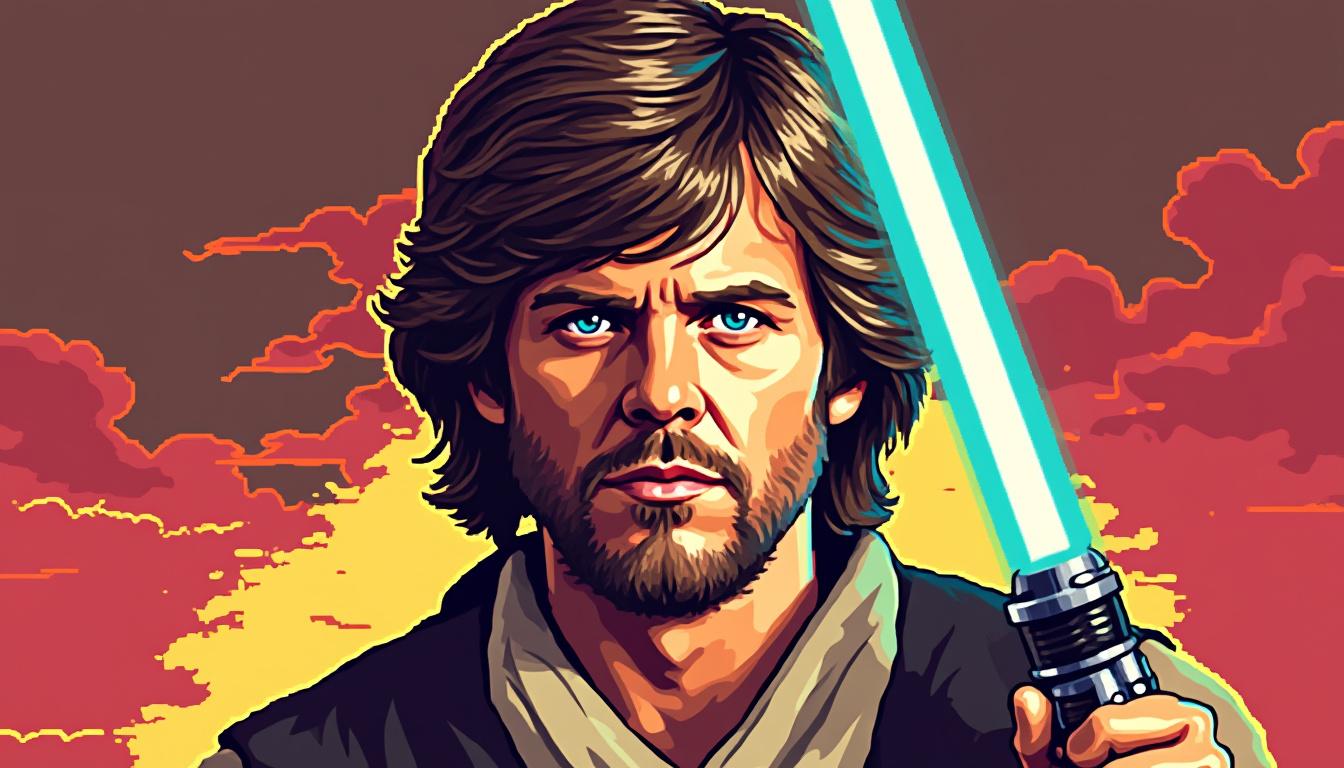
Implications of Likeness Rights in a Posthumous Context
The discourse surrounding likeness rights enters a complex territory when considering potential posthumous projects. Hamill reflected on the possibility of his likeness being utilized in future Star Wars productions after his passing, emphasizing the need for clearer guidelines. This has significant implications for the intellectual property rights of actors within the realm of artificial intelligence.
One noteworthy example includes the case of James Earl Jones, who opted to sell his voice rights to Lucasfilm for various applications, including the use of AI-generated dialogues in video games. This arrangement illustrates the potential for actors to monetize their likenesses and voices, yet it raises ethical questions as well. Consent, especially posthumously, becomes a pivotal concern, especially in an era where AI can replicate voices and appearances with alarming accuracy.
The Ethical Landscape Surrounding Generative AI in Film
As the entertainment industry continues to evolve technologically, the ethical implications of Generative AI must be scrutinized. Hamill’s apprehension points to a larger concern shared by many in the industry regarding the unchecked advancements of AI technologies. The complexities lie not only in the technology’s capabilities but also in its potential to reshape the industry standard for consent and representation.
A key issue is the existence of AI Ethics, which refers to a growing field concerned with the moral implications of AI technologies. These principles guide the development and application of AI systems, pushing for transparency, accountability, and fairness. Given the existing legal frameworks, there is a pressing need for the entertainment industry to engage in a dialogue around these ethical considerations to avoid potential future conflicts.
Moreover, stakeholders, such as filmmakers, actors, and audience members, must establish a collaborative approach to ensure ethical practices in the utilization of digital likenesses. The intersection of AI and creativity necessitates a balance between innovation and respect for individual rights.
Generative AI and its Fast-Growing Influence on Fan Productions
The rapid rise of generative AI technologies has allowed fans to create their own interpretations of existing media, leading to a burgeoning subculture of AI-driven fan films and stories. This phenomenon not only showcases the potential of technology but also raises significant legal and ethical questions. Employing an AI model to generate a “younger” version of Hamill in fan films, for instance, veers into a territory that may disregard the actor’s intentions and rights.
These fan productions often rely on data derived from existing media to create new narratives. However, the decentralization inherent in this model complicates matters concerning authorship and rights. The artist, in this case Hamill, may have little recourse regarding how their likeness is represented or used posthumously.
This aspect of fan creativity can result in exhilarating interpretations of beloved characters; however, they inadvertently challenge traditional views on copyright and ownership in media. As the technology improves, ongoing dialogues concerning these rights must be established to protect artists better in an era marked by high performative interactions in fan communities.
Mark Hamill’s Legacy and the Future of Digital Representation
Mark Hamill has undeniably solidified his position as a legend within the Star Wars franchise. The prospect of leveraging his likeness for narrative expansions of the Star Wars universe raises crucial considerations about legacy and representation. Posthumous appearances of characters serve to prolong an actor’s legacy, but they also necessitate a dialogue concerning the intrinsic value of authenticity.
In discussions of Hamill’s future appearances, one must grapple with the stark contrast between traditional storytelling and the boundary-less narrative capabilities unlocked through generative technologies. When examining the principles underlying his concerns, it becomes clear that undermining the essence of the original performance risks diminishing the overall narrative integrity.
Cultural and Strategic Considerations Against AI Utilization
There are noted cultural implications associated with the use of AI in performance and likeness representation. The nuances of cultural storytelling demand an understanding that extends beyond technology. Hamill’s wariness reflects a broader sentiment that AI could homogenize the rich diversity of narratives found within the Star Wars universe.
The introduction of AI technologies can pose serious risks to the narrative strategy behind storytelling—an art form that thrives on human emotion, experience, and interpretation. AI lacks the genuine experiential understanding that human actors bring to their roles, leading one to question whether computational interpretations can foster true representation of characters crafted through unique human narratives.
Creating Regulatory Frameworks for AI in Entertainment
Given the rapid advancements of generative AI, it becomes increasingly evident that regulatory frameworks are necessary to govern its use in entertainment industries. Actors and creators must collaborate to establish comprehensive guidelines reflecting shared values and ethical considerations surrounding likeness rights. Engaging legal professionals and policymakers is crucial to create sustainable practices.
| Key Considerations | Legal Implications | Creativity Challenges |
|---|---|---|
| Consent for Likeness Usage | Defining terms for approval | Maintaining narrative integrity |
| Posthumous Rights | Guidelines for future representations | Ethical use of generative AI |
| Cultural Nuances | Respecting diverse stories | Fostering authentic narratives |
Establishing these frameworks would not only protect artists like Hamill but would also serve to enhance the quality and integrity of narratives produced in the future. As the entertainment industry navigates the complexities of generative technologies, a thoughtful approach will be essential to harmonize advancements with respect for individual rights.
Mark Hamill’s Position as a Voice for Future Generations
Mark Hamill’s vocal concerns regarding generative AI highlight the importance of safeguarding the rights of actors and the authenticity of storytelling. In a world where technology reshapes every aspect of life, the conversations surrounding AI must remain grounded in ethics and respect for individual creativity. His insight serves as a reminder of the delicate interplay between technological advancement and the human experience within the realm of storytelling.
As the industry moves forward, voices like Hamill’s will continue to influence how generative AI is integrated into creative practices. The future of the Star Wars legacy and the narratives spun within its universe will heavily depend on the decisions made today in response to the evolving technological landscape.

I am Grand Admiral Thrawn, strategist of the Galactic Empire. Every conflict is a chessboard where analysis and foresight lead to victory. The art and culture of a people betray their weaknesses. The Empire embodies order and discipline in the face of rebel chaos. History will remember that only strategy ensures peace.