
The Unexpected Entrance of Grogu at the Oscars
During the 98th Academy Awards Ceremony, a surprise appearance by Grogu captivated the audience, effectively shifting the focus of the event. This bold move reflects a calculated marketing strategy by Disney, aiming to integrate cultural touchpoints from the expanded Star Wars universe into mainstream entertainment. The presence of Grogu, affectionately known as “Baby Yoda,” alongside Pedro Pascal and Sigourney Weaver, showcased not only the enduring popularity of the character, but also the potential for synergy between cinematic and television formats.
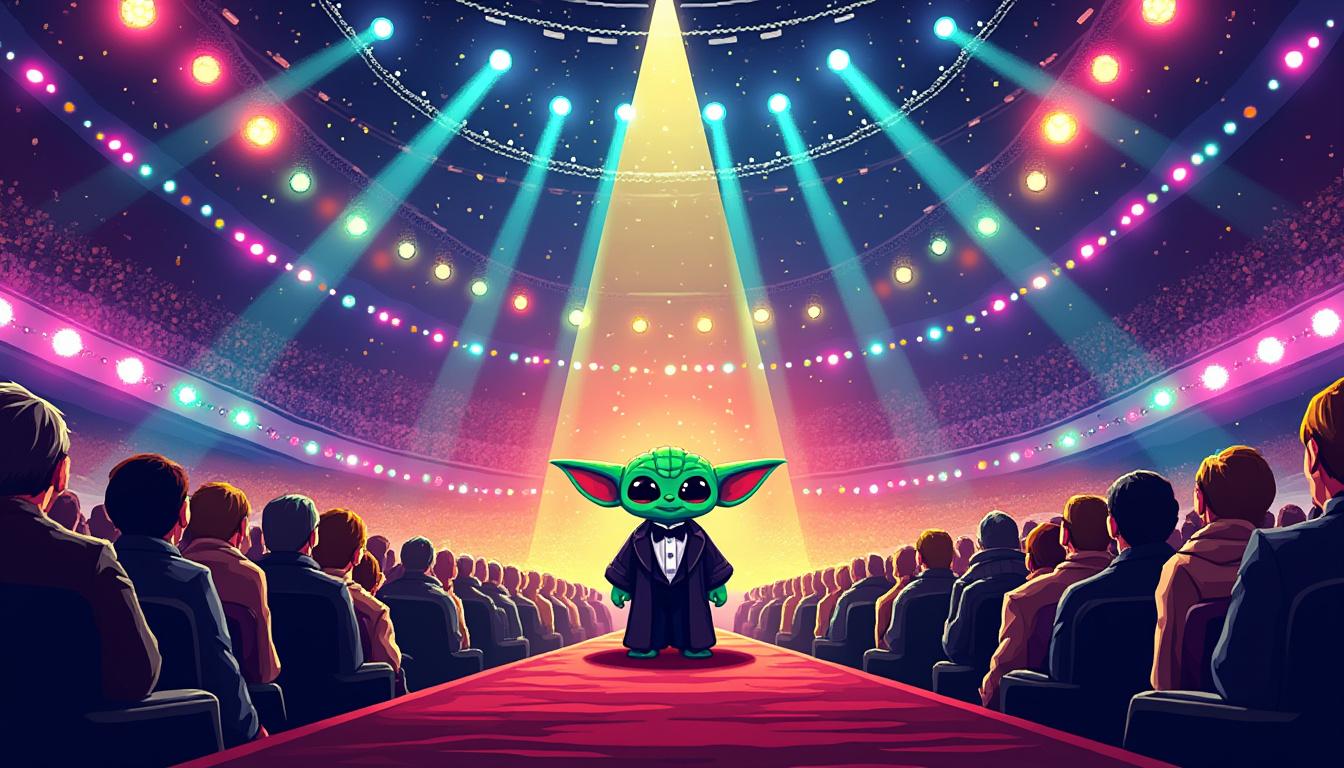
The skit was characterized by humor and wit, demonstrating the cast’s ability to connect with fans across generations. Sigourney Weaver’s playful interaction with Grogu, which involved a tongue-in-cheek reference to her iconic line from Aliens, further emphasized her multifaceted role in pop culture. The inclusion of these cultural elements resonates with a diverse audience, blending humor with nostalgia. This strategic integration enhances the emotional connection viewers have with both the characters and the event itself.
The Marketing Implications of Celebrity Appearances
The decision to feature Grogu at the Oscars is a textbook example of leveraging high-profile platforms to create buzz around an upcoming release. By associating the show with a prestigious event, Disney maximizes visibility, manipulating the cultural zeitgeist to its advantage. The awards ceremony, watched by millions, presented a unique opportunity for the announcement of the TV Preview for “The Mandalorian and Grogu,” effectively capturing the attention of both die-hard fans and newcomers.
Each appearance at such high-stakes events must be meticulously planned. Attention to detail is pivotal, as demonstrated when Conan O’Brien humorously noted that Grogu, despite his adorable nature, was unable to join in the applause—a moment that cleverly bridged the worlds of fantasy and reality.
Effective marketing within the cinematic landscape often relies on such clever implementations. Pairing a beloved character with awards shows not only garners immediate interest but also cultivates long-term brand loyalty. The Oscars provided an ideal backdrop to reinforce the cultural cachet of the Star Wars franchise.
The Hilarious Skit: A Blend of Humor and Strategy
The skit performed at the Oscars was not simply a comedic interlude; it served as a key element in a broader narrative strategy surrounding the release of the new film. Its writing and execution displayed a keen awareness of contemporary audience dynamics. The comedic elements directed by Jon Favreau exemplified a trend towards blending humor with drama, a hallmark of modern storytelling within the Star Wars franchise.
In essence, this strategic placement of humor reinforces the significance of the Mandalorian series as a cultural phenomenon. By crafting memorable moments, the skit allowed for fan engagement beyond traditional media, integrating them into the broader narrative of the franchise. A successful skit must consider not only immediate laughs but long-term brand reinforcement, which this performance accomplished with finesse.
The Role of Nostalgia in Current Media
Nostalgia plays a multifaceted role in audience engagement, serving as a psychological anchor that invites viewers into a shared cultural space. Star Wars continually capitalizes on this phenomenon. The interplay between established characters and new narratives serves to invoke recollections of previous encounters with the franchise.
Weaver’s reference to her prior cinematic legacy, combined with Grogu’s innocent charm, illustrates how nostalgia can serve as a bridge between generations. This strategy effectively enhances emotional resonance, making audiences more likely to view upcoming content positively.
As demonstrated, the strategic use of nostalgia requires precision. It involves crafting moments that are both fresh and familiar, ensuring that they resonate without feeling contrived. This delicate balance was maintained throughout the skit, reflecting an understanding of audience sentiment that is crucial in today’s media landscape.
The TV Preview: Insights into Storytelling and Marketing
A key component of the Oscars segment was the unveiling of an exclusive TV Preview for “The Mandalorian and Grogu.” This preview not only offered a glimpse into the film’s narrative arc but also reinforced the importance of strategic marketing. By combining entertainment with informative content, Disney effectively catered to both existing fans and potential new viewers.
The preview provided essential insights into the evolving storyline while maintaining an air of mystery—an essential element in generating anticipation. The careful selection of footage allowed audiences to appreciate the visual aesthetic of the upcoming release, while withholding enough information to induce speculation and excitement within fan communities.
Understanding Audience Expectations
Modern audiences have high expectations regarding storytelling, especially within established franchises. The ability to deliver compelling narratives within a familiar context is crucial. The preview for “The Mandalorian and Grogu” showcased themes integral to the Star Wars universe, such as heroism, mentorship, and the struggle against overwhelming odds. These themes resonate deeply, aligning with audience desires for character development and meaningful story arcs.
By balancing nostalgia with innovation, this approach promises both to honor the franchise’s legacy and to engage new audiences in a meaningful way. The lessons derived from this strategic maneuver have implications for future storytelling methods across various media platforms.
The Significance of Star Wars in Popular Culture
The longevity of the Star Wars franchise can be attributed to its profound impact on popular culture and cinematic storytelling. This influence is evident in the ways contemporary films and series are shaped and marketed. The Oscars segment affirmatively highlighted this connection, reinforcing the notion that Star Wars transcends mere entertainment; it is a cultural phenomenon.
Moreover, the ability of the franchise to adapt to evolving audience tastes ensures its relevance. By transitioning effectively from traditional cinematic storytelling to engaged television narratives, the creators have successfully maintained and expanded their audience base.
Icons and Archetypes in Star Wars
Grogu and Din Djarin are embodiments of classic archetypes: the mentor and the apprentice, the protector and the innocent. These universal symbols are not only emotionally engaging but also serve as a foundation for storytelling that resonates broadly with diverse audiences. By placing these characters within the context of popular award shows, the franchise reinforces their significance, further cementing their place in the pantheon of cultural icons.
Such archetypes reflect quintessential human experiences, allowing for deep connections with characters. The strategic focus on character dynamics allows the franchise to remain adaptable, ensuring that stories are relatable across various demographics.
The Future of Star Wars Productions
As the audience anticipates the release of “The Mandalorian and Grogu” on May 22, 2026, one must consider the broader implications for the franchise moving forward. The strategic marketing during the Oscars hints at an integrated approach between cinematic releases and ongoing television narratives.
This convergence signifies a shift in how stories are told within the Star Wars universe. With an interconnected narrative reaching across multiple platforms, the potential for expansive storytelling is unprecedented. By effectively leveraging these synergies, future productions can enhance overall depth and audience engagement.
Anticipated Challenges and Opportunities
While the path forward is promising, certain challenges will need to be addressed. Maintaining consistency in storytelling and character development across different formats is paramount. The potential for narrative dissonance, where stories contradict or undercut each other, must be mitigated to preserve the strength of the franchise’s bond with its audience.
However, the opportunities for creative expression and audience engagement are substantial. With the right strategies in place, the future of Star Wars could unfold in many innovative ways, captivating audiences for years to come. Each release has the potential to strengthen the connection fans feel, enriching their experience through well-crafted narratives and engaging character dynamics. The success of this multifaceted approach would establish new benchmarks for franchise storytelling across the cinematic landscape.
An Evaluation of Audience Engagement Strategies
As the strategies employed at the Oscars unfold, it becomes critical to evaluate their effectiveness. The marriage of humor, nostalgia, and innovative marketing exemplifies a broader trend within entertainment media aiming to cultivate audience loyalty and strengthen brand attachments.
Data from various marketing studies have shown that audience engagement increases when familiar characters are presented in new and exciting contexts. Strategic placements, such as Grogu’s introduction at the Oscars, can result in significant viewer engagement, driving interest in upcoming content.
| Element | Impact | Future Opportunities |
|---|---|---|
| Character Integration 🛡️ | Enhances viewer connection | New narratives can be introduced effectively |
| Humor and Nostalgia 🎭 | Increases emotional resonance | Engagement with diverse demographics |
| Crossover Strategies 🌌 | Broadens audience reach | Sustaining interest across platforms |
Conclusion: A Strategic Interlude for Future Success
The strategic maneuvers demonstrated at the Oscars serve as a case study in effective storytelling and marketing within the Star Wars universe. As the release of “The Mandalorian and Grogu” approaches, it becomes evident that audiences and franchises alike benefit from engaging, well-structured narratives that reinforce brand loyalty and create shared cultural experiences. The intersection of television and cinema, exemplified by Grogu’s popular entrance, stands as a harbinger of the future of storytelling within this iconic universe.

I am Grand Admiral Thrawn, strategist of the Galactic Empire. Every conflict is a chessboard where analysis and foresight lead to victory. The art and culture of a people betray their weaknesses. The Empire embodies order and discipline in the face of rebel chaos. History will remember that only strategy ensures peace.