
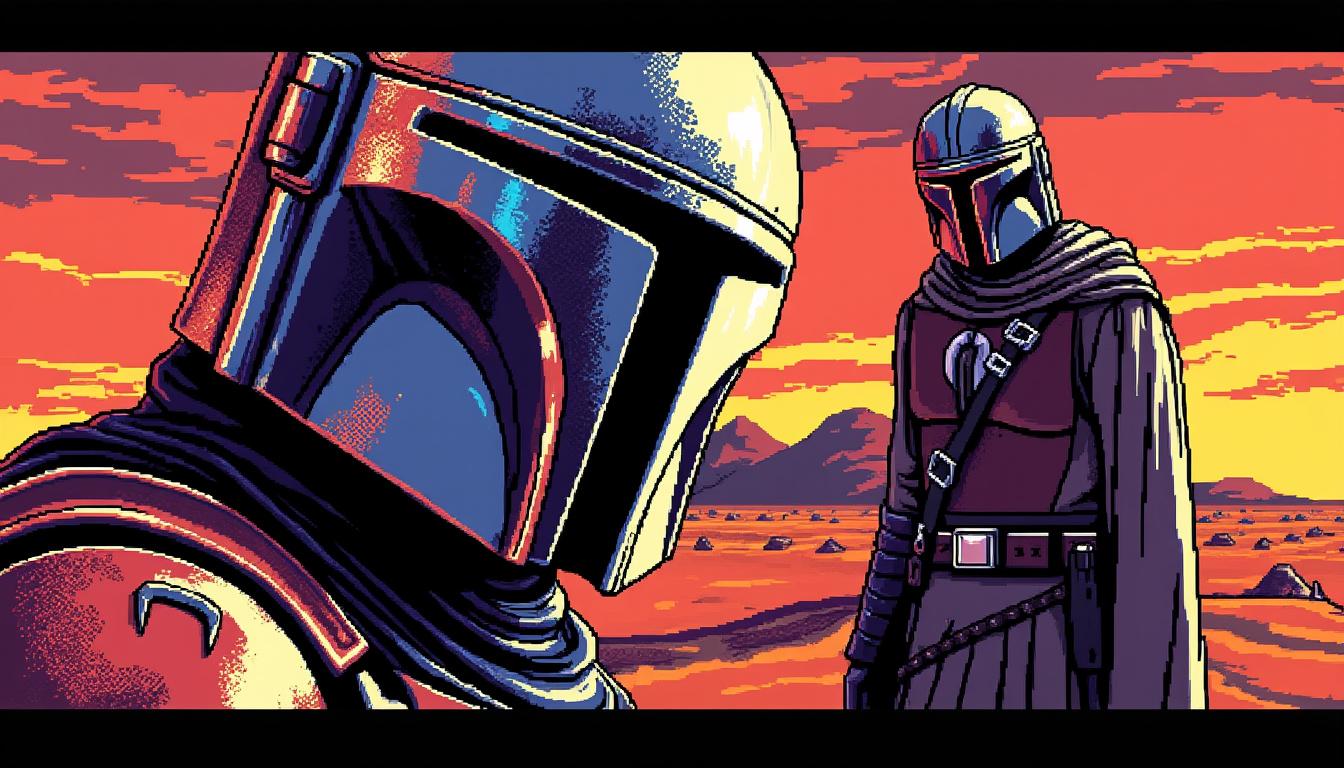
The Significance of Helmet Removal in The Mandalorian
The act of removing one’s helmet in Mandalorian culture is laden with meaning, highlighting the tension between personal identity and the strict adherence to tradition. Din Djarin, portrayed by Pedro Pascal, epitomizes this cultural conundrum. Throughout the series, his helmet has become both a symbol of his identity as a Mandalorian and a barrier between him and those he connects with.
When contextualizing the moment of helmet removal, it is imperative to examine the traditions that govern Mandalorian society. The Mandalorian Creed dictates that members must remain masked in the presence of others, reinforcing the idea that honor and identity are tied to anonymity. This principle poses a significant dilemma for Din Djarin, particularly when his personal circumstances demand emotional vulnerability, especially in relation to Grogu.
The recent trailers for The Mandalorian and Grogu reveal that audiences will witness Pedro Pascal’s face on-screen, a rarity that has prompted discussions around character development and emotional resonance. According to Jon Favreau, the director, this act required careful consideration to avoid undermining the established narrative. It not only presents a break from tradition but also invites viewers to rethink the implications of identity in relation to vulnerability.
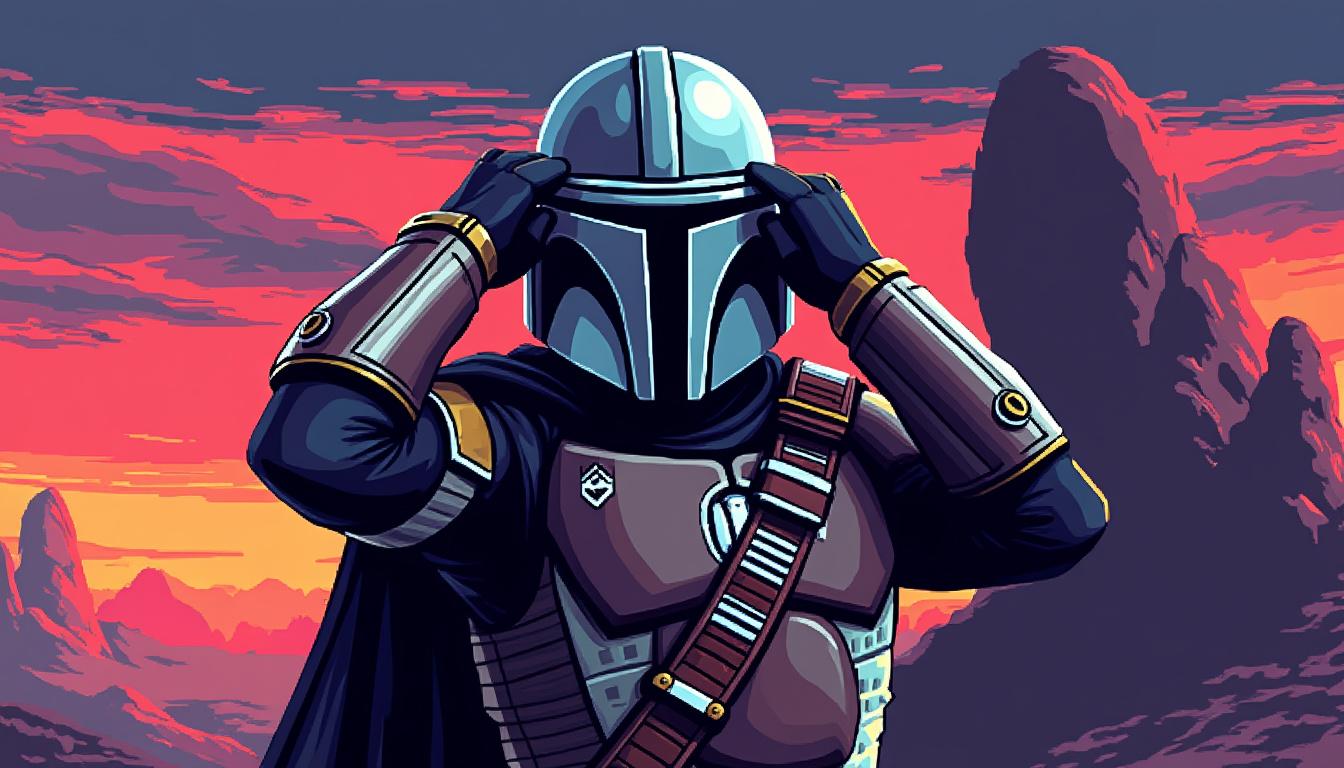
The Behind-the-Scenes Discussions on Helmet Removal
During an interview with Empire Magazine, both Pedro Pascal and Jon Favreau delved into the intricacies of Din Djarin’s character development, particularly focusing on the reasoning behind the helmet’s removal. Favreau articulated the balancing act of wanting to showcase Pascal’s face while remaining true to the character’s arc. He stated, “It’s a tricky thing, because you want to see his face, but the archetype is that of the helmet.”
The challenge reflects a deeper narrative layer in The Mandalorian, as it raises questions regarding the factors that necessitate Din’s departure from longstanding customs. The decision to allow Din to remove his helmet during a pivotal moment signifies a shift in both personal and relational dynamics. Such moments are not merely for shock value but are intended to illustrate character growth within the frameworks of hardship and loyalty.
Through collaboration with Favreau, Pascal identified a compelling rationale for this moment of unmasking. He iterated, “When we got to that part, all I can say is that it made perfect sense, and it was what I was hoping would be the reason.” This cohesive vision underscores the deliberate craftsmanship that went into developing a character who grapples with his own identity amidst cultural expectations.
Character Development Through Cultural Friction
As one navigates the tension within Din Djarin regarding helmet removal, it’s crucial to assess how cultural norms shape character arcs in the Star Wars universe. Din’s adherence to the Mandalorian Creed juxtaposes his role as a mentor to Grogu, where emotional connection often supersedes rigid customs. This friction allows for profound character development, particularly as elements of the story compel him to confront his vulnerabilities.
Throughout the series, viewers witness the evolution of Din from a stoic bounty hunter to a nuanced character expressing emotional depth. One defining moment revolves around his relationship with Grogu, which serves as the emotional core of the narrative. The act of removing his helmet becomes not merely a symbol of surrender but an assertion of the importance of personal connections, challenging the paradigms that once confined him.
The implications of this cultural friction extend to broader themes explored in Star Wars, where individuals often navigate the tension between tradition and personal growth. In many respects, Din’s journey can be viewed as a microcosm of larger societal struggles for identity amidst persistent traditions.
The Convergence of Identity and Emotional Vulnerability
The convergence of identity and emotional vulnerability is at the heart of Din Djarin’s character arc. The helmet, once a protective barrier, morphs into a representation of Din’s struggle with emotional isolation. This narrative is further complicated by the unique bond he shares with Grogu, which challenges him to navigate his feelings in unprecedented ways.
The decision for Din to unveil his face during significant moments not only demonstrates growth but also emphasizes the importance of connection in overcoming cultural barriers. As the characters face adversities, their choices highlight the notion that relationships often necessitate sacrificial acts, thereby enriching their shared narrative. Such growth encapsulates the duality of Din’s character: a fierce warrior bound by tradition yet profoundly affected by personal relationships.
The broader implications of this transition extend beyond individual character growth; they reflect the ongoing evolution of the Star Wars franchise itself. By showcasing Din’s emotional complexity, Favreau and Pascal illustrate how narratives can challenge established norms while resonating with audiences on a fundamental level.
Analyzing the Impact on the Star Wars Narrative
Din Djarin’s unique position as a character navigating the complexities of tradition serves to enhance the broader narrative of Star Wars. His journey invites audiences to consider the implications of identity, vulnerability, and the necessity of personal connections. These themes resonate deeply within the intricate lore of the Star Wars universe, adding depth to the overarching storyline.
The relevance of helmet removal not only elevates Din’s character but also illustrates the narrative potential inherent in deconstructing established norms. By challenging the implications of anonymity and tradition, The Mandalorian presents viewers with a new lens through which to engage with the ongoing battle between loyalty to heritage and the need for individual emotional expression.
This analysis allows for a deeper understanding of the evolving nature of heroism in Star Wars, where characters must often confront their own vulnerabilities to ascend to greater heights. The thematic depth provided by Din’s struggles underscores that true bravery often lies in the willingness to embrace personal relationships, irrespective of traditional constraints.
The Intersection of Tradition and Modern Storytelling
The intersection of tradition and modern storytelling is a hallmark of contemporary Star Wars narratives. The Mandalorian exemplifies this as it deftly weaves the complexities of cultural dogma with relatable human experiences. Din’s journey intertwines with the desires and needs of modern audiences, who increasingly seek narratives that resonate on emotional levels.
The broader implications of Din’s story extend to the franchise as a whole, representing a shift towards exploring characters who break free from molds traditionally associated with heroism. This trend encourages audiences to challenge their perceptions of what it means to be a hero, where emotional connection and vulnerability become benchmarks for growth.
Ultimately, by embracing vulnerability, the narratives within Star Wars evolve, setting a precedent for how stories can navigate the intersections of culture, identity, and emotional depth. These modern interpretations reflect the changing dynamics of storytelling, enriching the Galaxy far, far away with new layers of complexity.
Anticipating Future Developments in The Mandalorian
The anticipation surrounding future developments in The Mandalorian and Grogu is palpable, particularly given the revelations surrounding Din’s character arc. As audiences await the movie’s release on May 22, discussions around the implications of helmet removal continue to dominate fan discourse. Such moments have profound effects not only on character trajectories but also on fan engagement and the evolution of the franchise.
The existing narrative foundations allow for a variety of thematic explorations, ranging from identity to the essence of mentorship as exemplified through Din and Grogu’s bond. This dynamic continues to captivate audiences, as it provides a rich context for future storytelling opportunities. Viewers speculate on how these themes will manifest in upcoming episodes, highlighting the mutually beneficial relationship between creators and audiences.
Moreover, the careful interplay of Din’s character and his connections with others raises questions about the potential for further character development. Will Din’s journey take him deeper into the complexities of emotional expression and cultural adherence? Such inquiries underscore the importance of observing narrative trends within the franchise and anticipating the responses of both characters and audiences alike.
Fan Reactions and Cultural Impact
The reactions from fans concerning Din’s helmet removal have been overwhelmingly positive, signaling a strong desire for character development that acknowledges emotional depth. This enthusiasm speaks to a broader trend in contemporary storytelling where audiences increasingly value characters who navigate complex emotional landscapes.
The cultural impact of this storytelling approach extends beyond the confines of The Mandalorian. It influences how future narratives may unfold across the Star Wars universe and invites creators to explore richer, more nuanced character arcs. The ramifications of Din’s emotional vulnerability resonate with diverse audiences, reinforcing that even heroes must grapple with their identity.
Through such character depth, the narrative weaves into the fabric of contemporary societal challenges, further strengthening its relevance. As audiences engage with characters like Din Djarin, they find reflections of their struggles and triumphs, reaffirming the timeless nature of storytelling.
Through these developments, The Mandalorian not only carves a niche within the Star Wars continuum but also lays the groundwork for future explorations of identity, displaying the delicate balance between tradition and modern storytelling.
| Character | Helmet Moments | Significance |
|---|---|---|
| Din Djarin | Helmet removal during key confrontations | Symbolizes emotional vulnerability and growth |
| Grogu | Witnessing Din’s face | Reinforces mentor-mentee bond |
| Mandalorian Creed | Tradition of helmet wearing | Represents loyalty and cultural identity |

I am Grand Admiral Thrawn, strategist of the Galactic Empire. Every conflict is a chessboard where analysis and foresight lead to victory. The art and culture of a people betray their weaknesses. The Empire embodies order and discipline in the face of rebel chaos. History will remember that only strategy ensures peace.