
Exclusive Posters from ‘Maul: Shadow Lord’
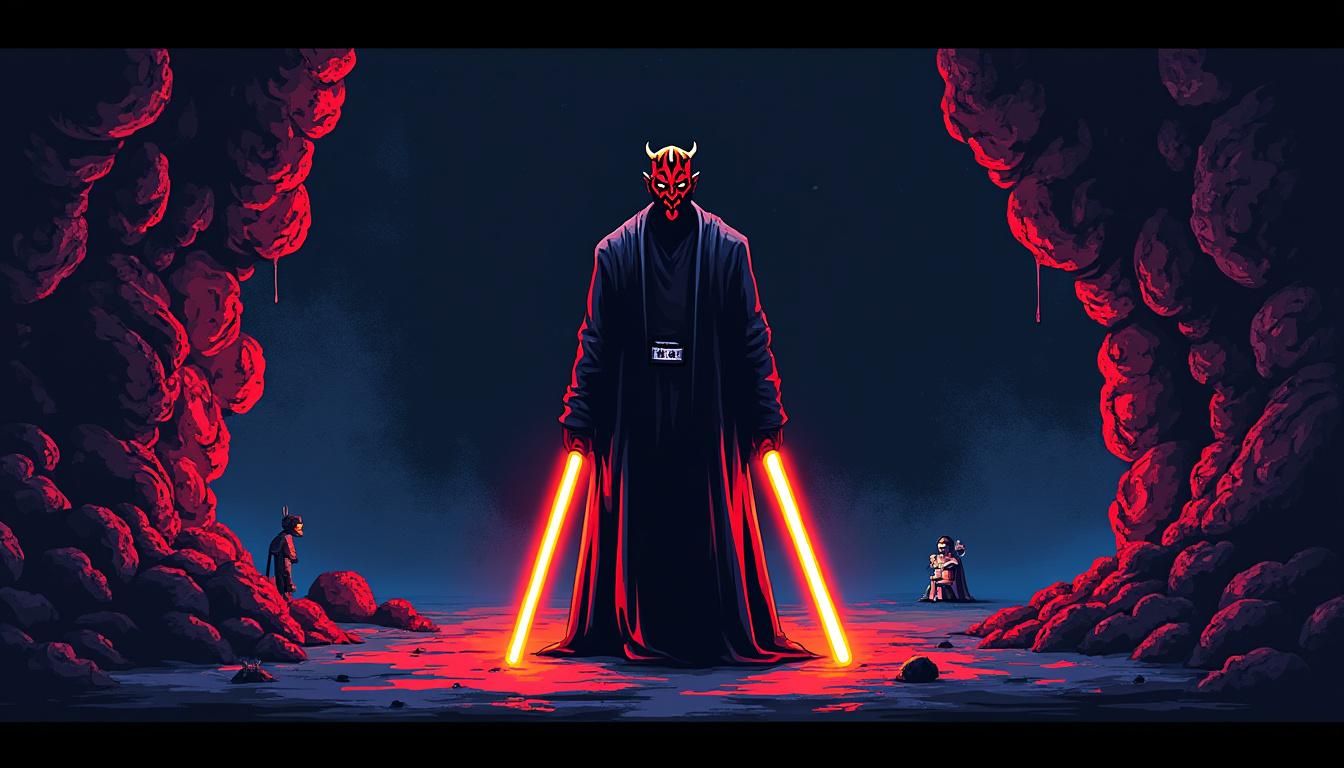
The release of the latest episodes of Maul: Shadow Lord has been marked by the unveiling of exclusive posters that intensify excitement for fans of the Star Wars universe. These posters showcase not only the titular character, Maul, portrayed by Sam Witwer, but also the intriguing dynamics among the supporting cast. The promotional material highlights crew members fiercely standing ready for action against adversaries, encapsulating the tension inherent in their struggles.
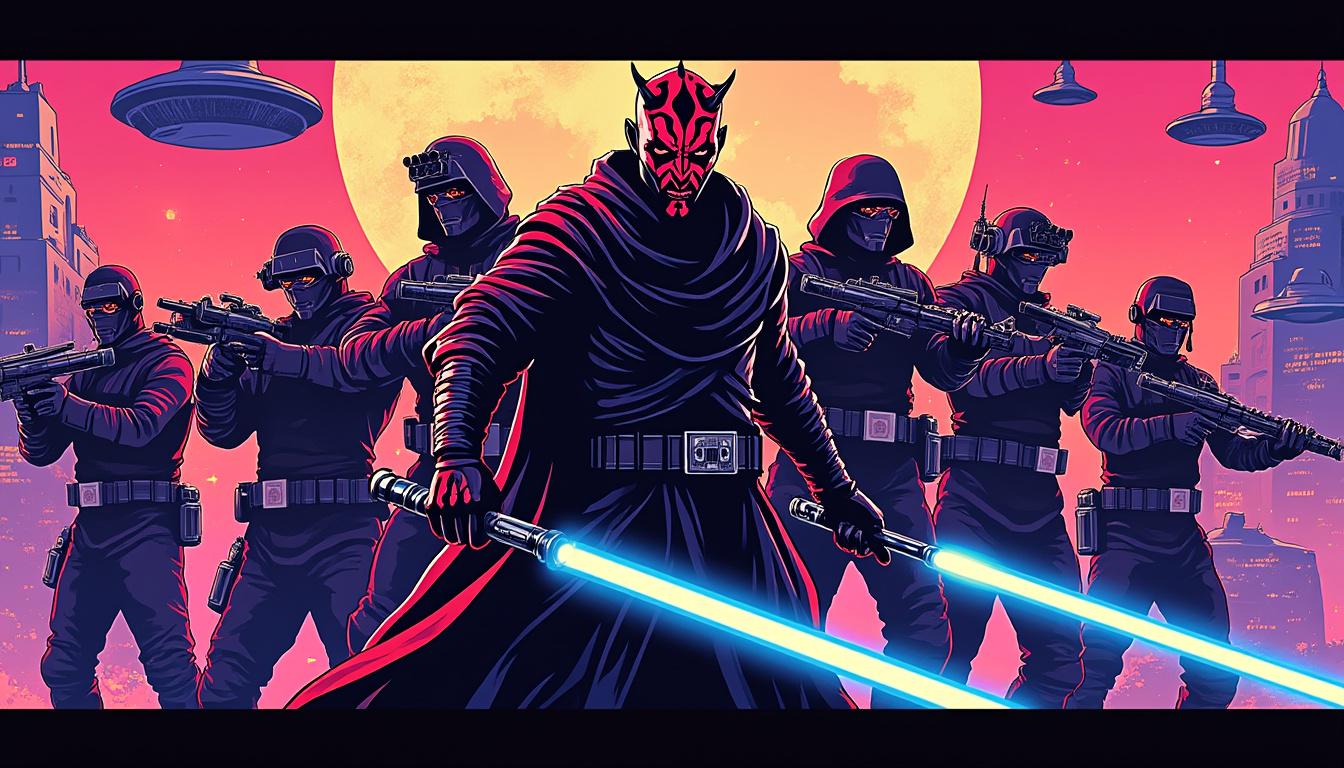
Further investigations into these visual representations reveal more than just aesthetic appeal. The artistic choices made in the posters often reflect the characters’ trajectories and personalities, providing insight into their motivations. Maul’s menacing presence, for instance, is juxtaposed against the determined expressions of his allies. The posters serve a dual purpose: they are not just marketing tools but are rich with visual storytelling.
In addition to the main characters, the posters introduce new figures like Devon and Master Eeko-Dio Daki. Their inclusion hints at the growing complexity of narratives within the series, emphasizing the importance of teamwork and alliances against the overarching threat presented by Maul. This layered visual storytelling enhances fan engagement and creates fertile ground for analysis and discussion.
Hidden Easter Eggs in Episodes 3 & 4
The meticulous attention to detail in Maul: Shadow Lord is evident through its numerous hidden Easter eggs. These subtle references not only enrich the viewing experience but also reward diligent fans with moments of recognition. Episode 3, titled “Whispers in the Unknown,” features a clever nod to Pre Vizsla as Maul serves Devon cassius tea, a beverage previously illustrated in The Clone Wars. This connection echoes the complexities of Mandalorian culture while also reinforcing the thematic ties to previous narratives.
Moreover, the tea ceremony symbolizes the continuation of traditions, linking past encounters to current alliances. Such parallels enhance the viewer’s understanding of character development and historical context. The infusion of lore serves to create a cohesive narrative that builds upon existing fan knowledge.
Subtle visuals are another method employed to engage the audience. For example, the redesigned Pykes seen in these episodes, particularly their leader Marg Krim, serve as a bridge between animated portrayals and their live-action counterparts. Their redesigns are purposeful, enhancing continuity while refreshing the familiar aesthetics.
For those keen on dissecting every detail, numerous fan theories have emerged. Engaging with these ideas allows for a deeper exploration of character relationships and potential future arcs, making the viewing experience not just passive but interactive.
Fascinating Trivia Behind ‘Maul: Shadow Lord’
The production of Maul: Shadow Lord is steeped in various pieces of fascinating trivia. For instance, Charlie Bushnell, who lends his voice to the character Rylee Lawson, infuses his performances with personal connections to the franchise, stemming from his childhood enthusiasm for Star Wars. Such heartfelt investments contribute to the authenticity of the show’s dialogue and interactions.
Another interesting aspect is the familial connection through voice acting; Pamela Adlon voices Rheena Sul, an underworld figure, and she is also the mother of Gideon Adlon, who plays Devon Izara. This interplay of family relationships in casting reflects the interconnectedness present in both the story and behind-the-scenes. It presents an intriguing dynamic that might resonate with audiences aware of their real-life connections.
The intricate narrative structure weaves in these elements cohesively, showcasing a blend of personal histories and fictional backgrounds. The show invites audiences to appreciate both the entertainment value and the underlying artistry, demonstrating the thought processes involved in character design and development.
In-Depth Cast Interviews: Understanding the Characters
The cast of Maul: Shadow Lord has shared rich insights during in-depth interviews, allowing audiences to gain a greater understanding of their characters and motivations. Sam Witwer offers compelling details on how he approaches the portrayal of Maul, emphasizing the character’s internal conflict and complex backstory. His reflections reveal the layers that inform Maul’s decisions, providing viewers with a richer lens through which to interpret his actions.
Gideon Adlon, who plays Devon Izara, articulates the struggles faced by his character as he grapples with loyalty and individuality. This duality mirrors the experiences of many characters within the Star Wars universe, suggesting a broader commentary on the nature of good and evil. The perspectives of the actors create depth for their roles, engendering empathy for characters often dismissed as mere antagonists.
Cast interviews also highlight the collaborative dynamics at play during production. The synergy among voice actors contributes to the believability of their characters’ relationships, making each scene more impactful. These interviews are invaluable for fans who seek to understand the intricate web of interactions that define the series.
Character Analysis: A Closer Look at Maul and Devon
Examining the characters within Maul: Shadow Lord requires delving deeper into their backgrounds and motivations. Maul, a character infamous for his duality of allegiance, has evolved significantly since his initial appearance. The current narrative depicts a tortured soul attempting to navigate vengeance and redemption, showcasing the intricacies of his character development. This analysis positions Maul as more than just a villain; he becomes a multi-dimensional figure battling his inner demons.
Conversely, Devon Izara represents the potential for growth within the Jedi narrative. His journey juxtaposes the darker paths taken by characters like Maul, emphasizing hope and resilience. This contrast illustrates a critical thematic element in the Star Wars saga: the battle between light and dark not only externally but within each individual.
The complex relationship between Maul and Devon suggests an inevitable tension that propels the story forward. Pathways of mentorship and opposition are intertwined, creating an enticing narrative that engages viewers emotionally and intellectually. Observing their dynamic yields insights into broader themes of morality and choice, which have become cornerstones of the Star Wars narrative.
Behind the Scenes: Creative Decisions in ‘Maul: Shadow Lord’
Behind the veil of Maul: Shadow Lord lies a myriad of creative decisions that shape its narrative and aesthetic. The thematic choices made by the creative team echo historical and cultural influences that inform the larger Star Wars universe. For instance, the integration of elements such as the cassius tea ceremony reveals a deliberate attempt to root the story in cultural contexts originally established in earlier episodes of The Clone Wars.
Furthermore, the design of environments and characters is purposefully aligned with the world-building established across various Star Wars media. The updated Pykes not only bridge gaps between animation and live-action but also embody the evolution of storytelling in the franchise. Attention to these details demonstrates how artistic choices are infused with narrative significance.
Through interviews with the production team, audience members gain insight into the collaborative efforts that have helped realize this project. Such interactions illuminate the collaborative nature of storytelling, emphasizing that each layer—the voice acting, animation, and writing—contributes to creating a comprehensive narrative that adheres to the expectations of the franchise’s legacy.
Fan Theories and Speculations about Future Episodes
As episodes unfold in Maul: Shadow Lord, fan theories proliferate, enhancing engagement with the universe. Discussions speculate on potential alliances, character fates, and unresolved plotlines that deepen the intrigue surrounding the series. The strategic deployment of foreshadowing in the dialogue and visual cues invites these theories, allowing for a participatory viewing experience.
One prominent theory suggests that Devon may ultimately confront the darker aspects of his character in future episodes, possibly leading to unexpected alliances or betrayals. Such speculative narratives invest viewers, implicating them in the unfolding drama. This tension will likely intensify as more episodes are released, maintaining heightened audience anticipation.
The complexities of Maul’s character arc also lend themselves to numerous theories surrounding his ultimate goals. Observations of his interactions with secondary characters present a puzzle awaiting resolution. By analyzing character motivations and plot trajectories, fans engage in a collective exercise of narrative exploration that underlines the significance of their loyalty to the franchise.
| Element | Description | Significance |
|---|---|---|
| Maul’s Character Journey | Transition from villain to complex antihero | Highlights themes of redemption, choice |
| Devon Izara’s Growth | Struggle of loyalty versus individuality | Represents hope in conflict |
| Cassius Tea Ceremony | Cultural reference to Mandalorian traditions | Deepens narrative connections |
| Updated Pyke Design | Visual bridge between animation and live-action | Enhances continuity, aesthetics |
| Voice Acting Dynamics | Family connections among cast | Adds authenticity and emotional depth |

I am Grand Admiral Thrawn, strategist of the Galactic Empire. Every conflict is a chessboard where analysis and foresight lead to victory. The art and culture of a people betray their weaknesses. The Empire embodies order and discipline in the face of rebel chaos. History will remember that only strategy ensures peace.