
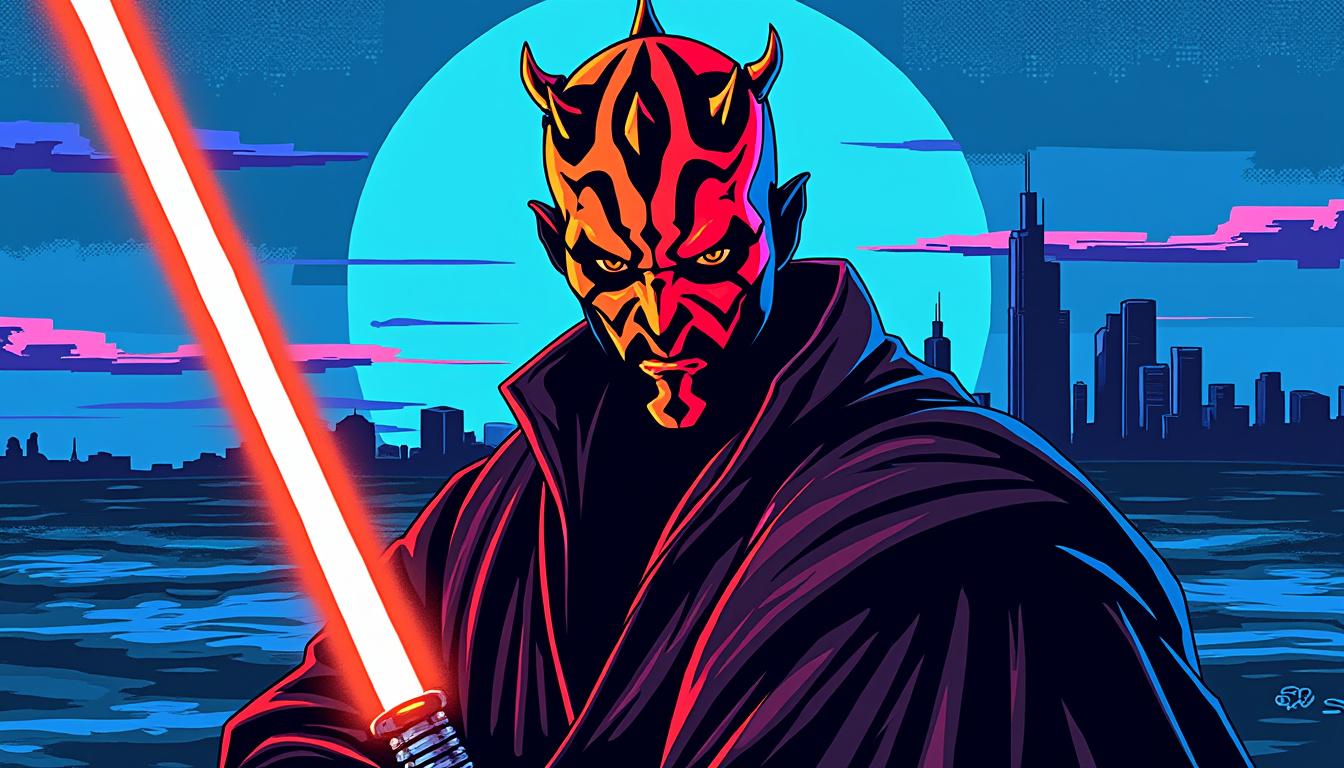
‘Maul: Shadow Lord’ Achieves Unprecedented Success on Rotten Tomatoes
In an analysis of the recent release of ‘Maul: Shadow Lord,’ it has become apparent that Lucasfilm Animation has struck a chord with audiences and critics alike. The series has achieved the remarkable milestone of a 100% rating on Rotten Tomatoes, reflecting the overwhelming approval from critics who reviewed the series early on. With 21 reviews contributing to this score, it is evident that ‘Maul: Shadow Lord’ is being received not just as a continuation of the Star Wars saga but as a significant entry in its own right.
This level of acclaim is indicative of the meticulous craftsmanship behind the series. The storytelling, animation quality, and character development are being praised, suggesting that the creators have successfully delved into the complexities of one of the franchise’s most enigmatic characters. Beyond the surface of admiration, there lies an intricate web of strategic decisions made by the creators, ensuring that the series resonates deeply with its target audience.
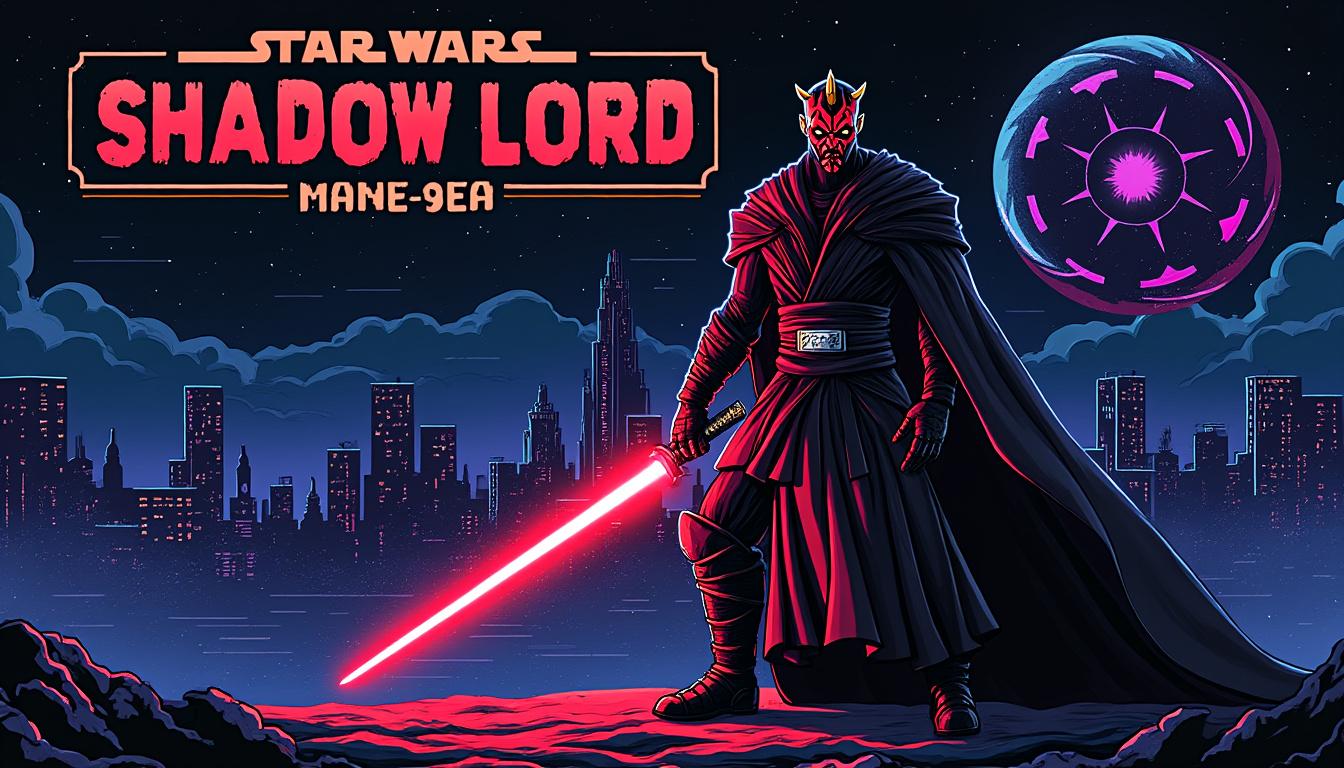
Critical Acclaim and Audience Reception
The perfect score on Rotten Tomatoes does not merely signify a transient wave of positive reviews; it reflects a robust consensus among film critics. With an audience score of 94%, it is clear that fans are echoing the critical praise. Such statistics underscore the importance of character-driven narratives in animated formats, especially within established franchises like Star Wars.
For instance, the character of Maul, a complex figure with a tumultuous past, has long captured the imaginations of viewers, making his exploration in this series particularly pertinent. Critics have noted that the series balances thrilling action sequences with poignant moments of character development, providing a rich, layered experience. This duality in storytelling is reminiscent of classic literary motifs, drawing parallels with the thematic depth found in various forms of art and storytelling.
Character Posters Unveiled: A Strategic Marketing Move
In conjunction with its release, new character posters were introduced, further enhancing the anticipation surrounding the series. Marketing strategies within the film industry often rely heavily on visual components, and in this case, the posters serve to reveal pivotal characters and hint at underlying tensions within the narrative. Each poster introduces a character significant to Maul’s journey, thereby deepening the audience’s understanding of the overarching conflict.
For instance, the poster revealing Deemis, voiced by John Carroll Lynch, showcases him towering over Rheena Sul and his rival, Vario, hinting at the criminal undercurrents that characterize the world Maul inhabits. Each character displayed embodies certain themes relevant to the narrative, which positions the series within a broader context of struggle for power and survival within the galaxy. Such marketing tactics are vital as they set the stage for audience engagement prior to the series’ launch.
The Role of Visual Aesthetics in Character Presentation
The integration of distinct visual elements in the character posters speaks volumes about the production’s efforts to maintain consistency with previous Star Wars material while innovatively incorporating new styles. The choice of colors and character design reflects a deep understanding of aesthetic principles that resonate with both longstanding fans and new audiences. Each character is not merely a design; they serve as a narrative device that attracts the viewer’s attention and incites curiosity about their fates.
| Character | Portrayed by | Description | Significance |
|---|---|---|---|
| Deemis | John Carroll Lynch | A towering figure within the criminal underworld | Represents the power struggle in Maul’s environment |
| Rheena Sul | Pamela Adlon | A strategist with ambition | Illustrates the cunning needed for survival |
| Vario | Chris Diamantopoulos | Rival crime lord | A manifestation of Maul’s external conflicts |
Thematic Resonance within the Star Wars Universe
‘Maul: Shadow Lord’ operates within a rich thematic framework that aligns with the larger Star Wars narrative while also establishing its own unique identity. Themes of redemption, power struggles, and the moral ambiguity drawn from character narratives are paramount. The depiction of Maul offers a lens through which viewers can examine the complexity of villainy and heroism within the context of a galaxy far, far away.
This concept is mirrored in historical examples of character arcs in storytelling, where the journey of a fallen figure can evoke sympathy and introspection among audiences. Such narratives compel viewers to reflect on their own moral choices and the ramifications of their actions, similar to key players in the galactic conflicts previously witnessed in the franchise.
Character Development as a Narrative Device
Character arcs play a vital role in storytelling, and the series is no exception. Maul’s evolution highlights the internal conflicts that illustrate broader societal upheavals. As the storyline unfolds, the audience is invited into the depths of Maul’s mind, granting insight into his motivations, fears, and aspirations. This approach sheds light on the character’s complexity while also challenging traditional notions of villainy.
Incorporating a dual perspective, the series allows for an empathetic look at Maul’s struggles against both external foes and his internal demons. Such character-centric narratives are powerful tools in film criticism, contributing to richer discussions regarding the depth and relevance of characters in contemporary media.
Analyzing Audience Engagement: A Shift in Viewing Habits
The viewing habits of audiences have evolved significantly, with streaming platforms like Disney+ allowing for greater accessibility to content. This shift in consumption patterns is evidenced by the immediate buzz surrounding ‘Maul: Shadow Lord,’ as fans discuss their reactions online. The interactive nature of social media platforms plays a critical role in shaping perceptions and engagement strategies for new releases.
In particular, the discussion surrounding the series is being fueled by real-time reactions from fans, which offers an immediate feedback loop to the creators. This interaction poses new challenges and opportunities for creators aiming to connect with their audiences deeply. In turn, it can lead to alterations in narrative direction based on audience feedback, creating a dynamic viewing experience that engages fans beyond traditional passive consumption.
The influence of social media on film criticism cannot be understated. Analysts have observed a trend where audience reactions can affect critical perceptions. As viewers share their excitement and opinions on platforms like Twitter and Instagram, the discourse surrounding a series like ‘Maul: Shadow Lord’ garners additional layers of meaning. The immediate feedback from these discussions indicates a shift from traditional film criticism, which may lag behind real-time audience sentiment.The Role of Social Media in Shaping Film Criticism
The Lessons from ‘Maul: Shadow Lord’ for Future Productions
The implications of ‘Maul: Shadow Lord’ extend beyond its narrative strengths and market performance; the series heralds important lessons for future productions within the Star Wars universe and beyond. By fusing traditional storytelling elements with innovative visual styles and audience engagement techniques, creators can craft experiences that resonate profoundly with viewers.
Understanding and adapting to the evolving landscape of media consumption are critical for the success of future projects. Lessons gleaned from ‘Maul: Shadow Lord’ can inform strategic decisions in character development, marketing, and audience interaction, creating pathways to future successes within the industry.
In summary, the series stands as a formidable example of modern filmmaking, driven by a thoughtful approach to narrative complexity, character exploration, and audience engagement. As it continues to unfold, further insights into its success will undoubtedly emerge, paving the way for the next entries in the Star Wars saga.

I am Grand Admiral Thrawn, strategist of the Galactic Empire. Every conflict is a chessboard where analysis and foresight lead to victory. The art and culture of a people betray their weaknesses. The Empire embodies order and discipline in the face of rebel chaos. History will remember that only strategy ensures peace.