
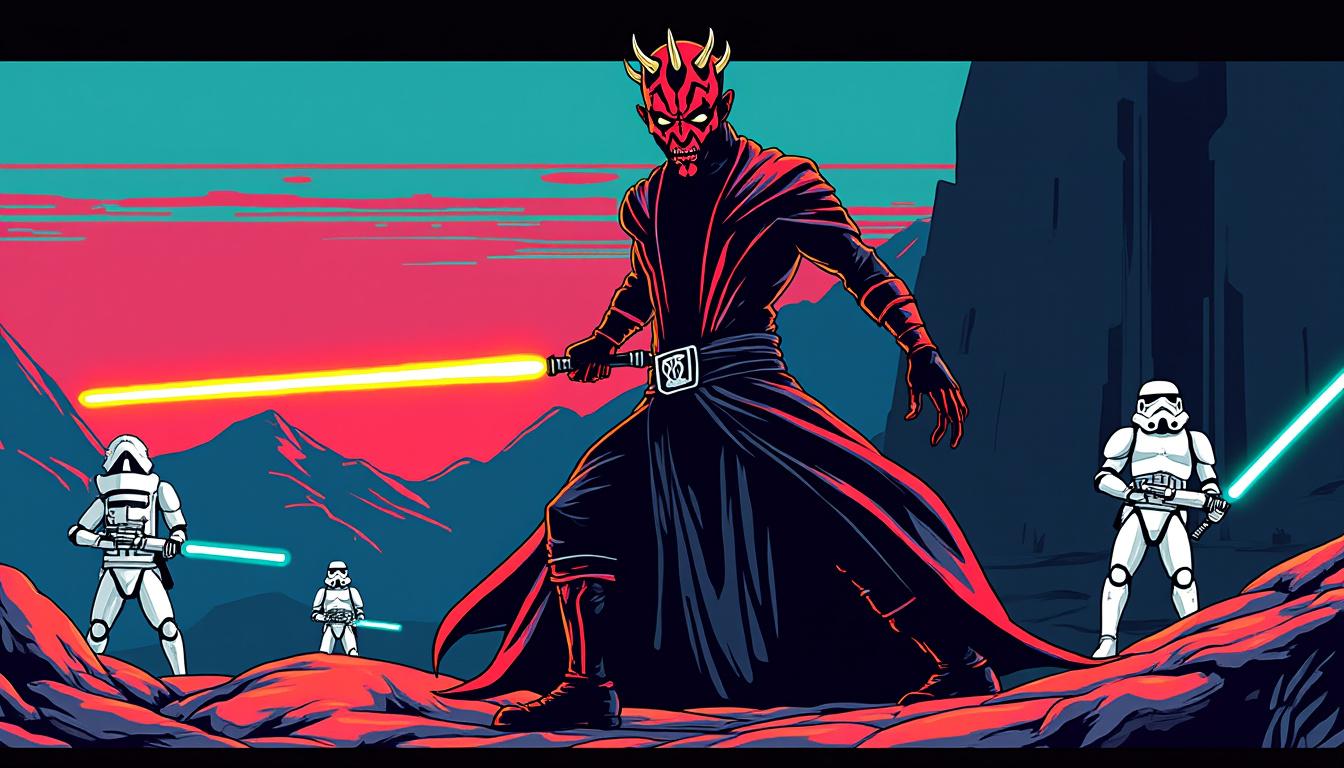
The Unforgettable Duel in The Phantom Menace
One of the most momentous confrontations featuring Darth Maul occurs in The Phantom Menace. This battle takes place on the planet Naboo, where Maul faces Jedi Master Qui-Gon Jinn and his apprentice Obi-Wan Kenobi. The duel is notable not just for its choreography but also for the emotional stakes involved. The presence of Maul, with his distinct double-bladed lightsaber, embodies the darkness of the Dark Side.
The choreography of this particular fight is heavily influenced by classic martial arts films, particularly those inspired by Japanese cinema. The combatants exhibit a fluidity and grace that enhance the stakes of the conflict. Maul’s acrobatics and skilled lightsaber maneuvers leave an indelible mark on both the audience and the Jedi themselves.
In assessing this duel, it is crucial to consider the tactics employed. Qui-Gon demonstrates a staunch commitment to the Jedi way, even at the cost of his own life. His failure to anticipate the brutality of Maul’s fighting style signifies a fundamental miscalculation. This misjudgment opens avenues for deeper discussions about bravery and the consequences of underestimating a foe.
Darth Maul’s embodiment of menace and grace during this confrontation serves as a catalyst, not just for the conflict at hand, but for the entire saga. This moment is consistently referenced in subsequent media, fostering a legacy that solidifies Maul’s place as an iconic figure in the Star Wars universe.
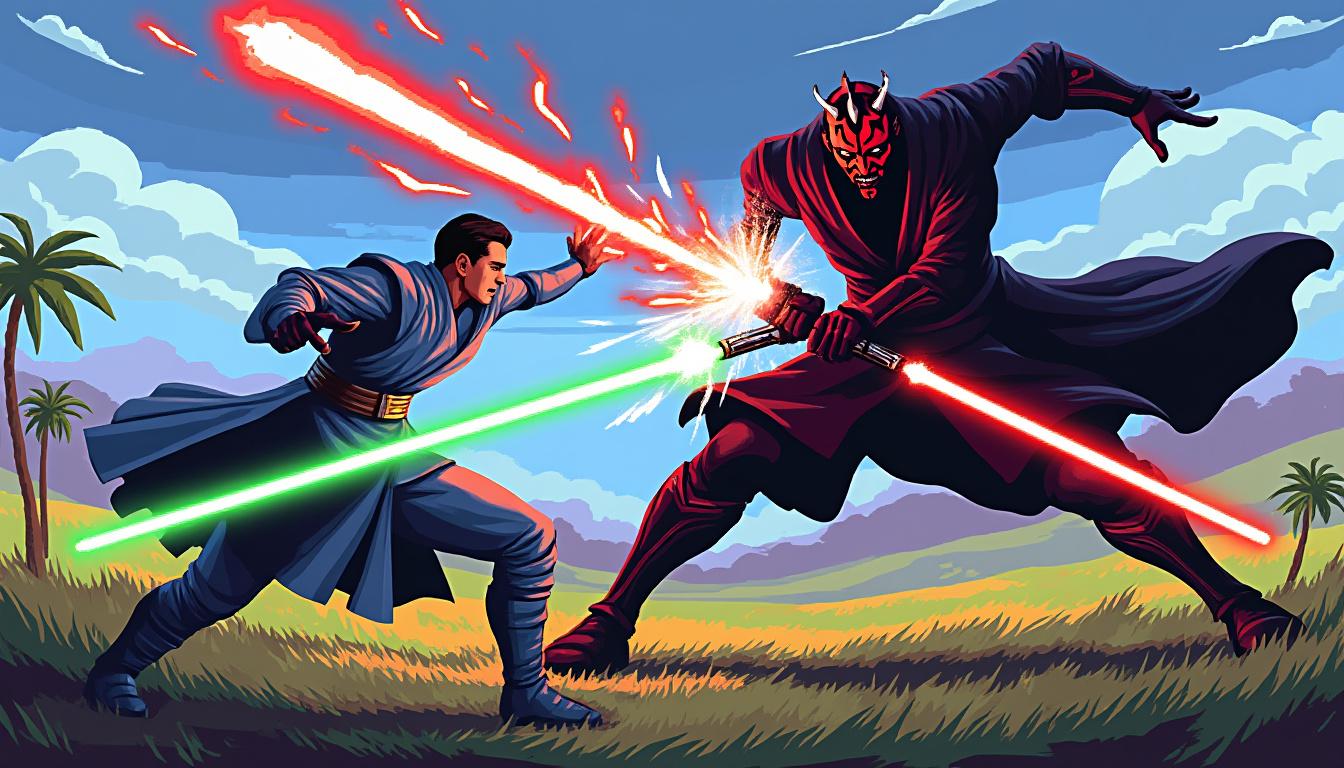
The Resurrection in The Clone Wars
The character arc of Darth Maul experiences a remarkable transformation in The Clone Wars. Resurrected following his defeat at the hands of Obi-Wan Kenobi, he emerges as a symbol of tenacity and vengeance. His return signals a shift not only in his character but also in the overarching galaxy narrative. This resurrection is emblematic of the broader themes of survival and the consequences of severed destinies.
Maul’s initial attempts to regain his power lead him to ally with other malevolent figures, including his brother, Savage Opress. The dynamics of their relationship illustrate a complex portrait of loyalty and ambition that transcends typical villainy. The interaction between the two characters is crucial for understanding Maul’s evolution from a solitary figure to one embedded within the machinations of the galaxy.
Analyzing Maul’s strategies during this period reveals a cold, calculating mind that previously may have been overlooked. Instead of relying solely on brute strength, he employs manipulation and cunning to enact his plans. A pivotal moment occurs when Maul captures several key Jedi, demonstrating a strategic prowess that engages the audience while heightening his threat level.
Ultimately, this arc highlights the complexities associated with Maul’s character. He is not merely a villain; he is a manifestation of the struggles of those cast aside by their mentors. His multilayered persona is reflective of the illusionary nature of the Dark Side and reinforces the necessity of vigilance against threats that may not seem overtly fierce.
Confrontation with Obi-Wan in Rebels
The final confrontation between Darth Maul and Obi-Wan Kenobi in the Star Wars Rebels series is a masterclass in storytelling. This encounter is not just another duel; it serves as a culmination of their complex history. The anticipation built over multiple seasons adds a significant emotional weight to this brief yet impactful clash.
The fight sequence itself is notable for its brevity. Unlike the lengthy exchanges characteristic of typical lightsaber battles, this duel concludes almost instantly. In just three strikes, the finality of the encounter resonates deeply with audiences. The choice to end their conflict so swiftly serves to emphasize not only Obi-Wan’s growth as a Jedi but also Maul’s tragic downfall.
During this moment, Maul expresses a poignant understanding of his relationship with Obi-Wan and the Force. He references Luke Skywalker, implying a twisted sense of hope for revenge even in defeat. This discussion about legacy showcases the philosophical nuances that thrive within the Star Wars universe. It raises questions about destiny and the cycles of violence perpetuated by the Dark Side.
Strategically, Obi-Wan employs a calm demeanor contrasted with Maul’s urgency. This duality reveals the importance of patience and understanding of one’s opponent. It is a lesson for audiences and characters alike, reiterating that confrontations are not merely physical battles but also tests of mental fortitude.
Maul’s Monologue in The Clone Wars
Darth Maul’s return in The Clone Wars series features a pivotal moment in the episode titled “Revenge.” During this episode, he delivers a chilling monologue that sets the tone for his character’s reintroduction. His words are disturbing yet reveal a stark truth: violence is often a means to attract attention when one is lost.
In this scene, Maul’s philosophy starkly contrasts with the Jedi’s principles. He emphasizes the necessity of brutality in drawing interest from the Jedi, culminating in a representation of his fractured psyche. This monologue encapsulates the themes of chaos and despair prevalent in the Star Wars galaxy, and it brilliantly underscores the gravity of Maul’s character transformation.
Maul’s willingness to embrace the Dark Side contrasts dramatically with the Jedi’s code of conduct. This juxtaposition serves as a critical commentary on morality, freedom, and power dynamics within the galaxy. The ethical dilemmas presented in this moment are timeless and resonate beyond the confines of the animation.
This powerful declaration reverberates throughout Maul’s subsequent actions, marking a transition from a mere villain to a tragic figure whose methods are deeply flawed but rooted in a quest for identity. The complexity of his motivations illustrates the multifaceted nature of characters in Star Wars, challenging viewers to reflect on the nature of heroism and villainy.
Maul’s Ambitions in Shadows of the Empire
Beyond his iconic battles, Maul’s strategic ambitions unfold throughout various narratives, including in publications like “Shadows of the Empire.” During this time, he becomes an even more multifaceted character—an opportunistic power player trying to establish a criminal empire. His machinations against rivals like Pre-Vizsla and others in the underworld reflect a deeper intelligence that transcends typical villainous tropes.
His interactions within the criminal underworld demonstrate a keen understanding of political strategy. Maul’s approach to dealing with other factions reveals a darker side of the Sith Lord—he is willing to manipulate and betray others to achieve his goals. His violent tendencies are coupled with a calculated disposition, presenting a character who knows how to leverage fear and chaos to his advantage.
Furthermore, this arc enhances the understanding of how the galaxy operates during the tumultuous times between the prequels and the original trilogy. It reflects the desperate gambits employed by various factions to assert control over a galaxy rife with conflict.
Critically, Maul’s story serves as an examination of the fragile balance of power. As villains navigate this treacherous landscape, it becomes evident how ambition can lead to self-destruction. The downfall of characters like Maul elucidates not only personal failings but also the inherent risks associated with unbridled ambition.
The Betrayal of Satine Kryze
One of Maul’s most impactful moments comes with the betrayal of Satine Kryze in the Star Wars universe. This event is a grim reflection of his character, illustrating the brutal lengths he is willing to go to achieve his objectives. Satine, a pacifist and leader of Mandalore, represents a stark contrast to Maul’s violent aspirations. Her murder serves not only as a personal vendetta against Obi-Wan Kenobi but also as a significant narrative moment that reverberates throughout the series.
The emotional aftermath of Satine’s death provides insight into both Obi-Wan and Maul’s motivations. Obi-Wan’s feelings of loss and helplessness deepen the complexity of his character, while Maul’s actions reinforce his status as a tragic and menacing figure. This juxtaposition of characters underscores the ethical dilemmas faced within the broader narrative.
Moreover, this betrayal amplifies the narrative stakes of the conflict in The Clone Wars and showcases Maul’s efficacy as a villain. He maneuvers through personal emotions and political tensions to cement his influence over Mandalore, further emphasizing the tragic consequences of warfare.
This episode serves as a poignant reminder of the personal cost of ambition and conflict, showcasing how the Dark Side distorts emotional relationships and leads to irreversible outcomes. It accentuates the bleakness often portrayed in Star Wars narratives.
Maul’s Evolution through Animation and Live Action
Darth Maul’s trajectory through various media, including animation and live action, illustrates an impactful evolution of his character. Originally introduced in The Phantom Menace as a largely one-dimensional foe, he has since been adapted into a richly developed character with nuanced motivations. His presence in series like The Clone Wars and Rebels has transformed him into a figure capable of inciting deeper philosophical discussions around the Sith and the Jedi.
Latent throughout these narratives is the overarching theme of redemption. Characters within the universe frequently face their pasts while wrestling with the consequences of their actions. Maul’s journey resonates with audiences because it elaborates on the complexities of duality, the potential for redemption, and the impact of choices made in desperation.
Furthermore, the transition from animation to live-action presents unique challenges and considerations. Each medium demands a different approach to storytelling and characterization, yet Maul’s core identity remains intact, regardless of the format. The continuity of his characteristics serves as an anchor for the audience, allowing them to appreciate his rich backstory.
Ultimately, Maul emerges as more than just a Sith Lord; he becomes a symbol of the broader struggles embedded in the Star Wars narrative—a representation of the inherent conflicts within the galaxy. He signifies that the journey of a character does not end with the closing of a chapter but continues to evolve through time and adaptation.
A Summary of Maul’s Iconic Moments
| Moment | Description | Media |
|---|---|---|
| Dual in The Phantom Menace | Fierce battle against Qui-Gon and Obi-Wan | Film |
| Return in The Clone Wars | Resurrected and seeking vengeance | Animated Series |
| Final Duel in Rebels | Ominous confrontation with Kenobi | Animated Series |
| Monologue in The Clone Wars | Reflection on violence as a tool | Animated Series |
| Betrayal of Satine | Emotional loss for Obi-Wan | Animated Series |
The examination of these moments not only highlights the significance of Darth Maul within the Star Wars saga but also provides avenues for deeper inquiry into the nature of conflict, power, and the essence of good and evil.

I am Grand Admiral Thrawn, strategist of the Galactic Empire. Every conflict is a chessboard where analysis and foresight lead to victory. The art and culture of a people betray their weaknesses. The Empire embodies order and discipline in the face of rebel chaos. History will remember that only strategy ensures peace.