
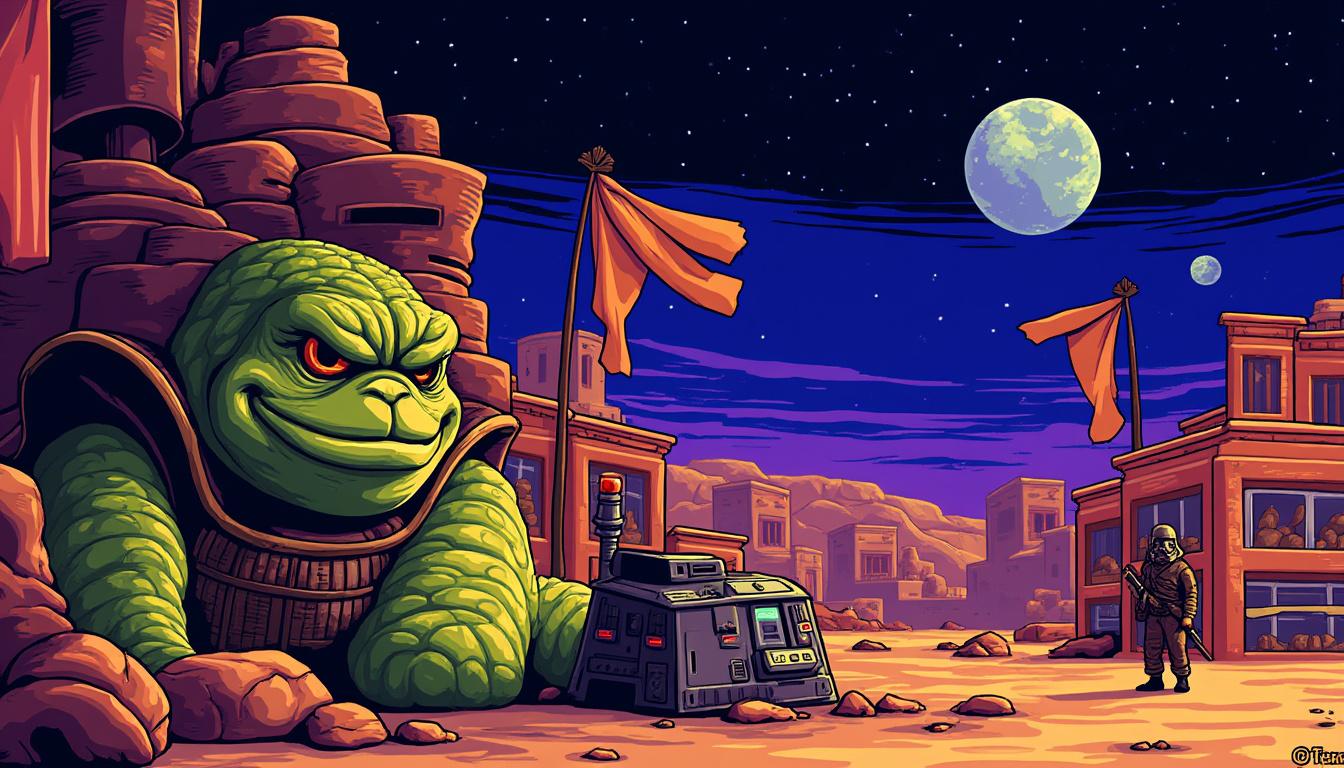
Introducing Rotta the Hutt: A Character Revived in 2026
The recent unveiling of Rotta the Hutt has triggered considerable interest within the Star Wars fanbase. Once a mere infant seen in the animated series, this character has now emerged as an adult, portrayed by the recognized actor Jeremy Allen White. This evolution reflects not only a shift in character design but also a deeper narrative purpose, aligning with both the thematic richness of the Hutt species and the expectations of modern storytelling.
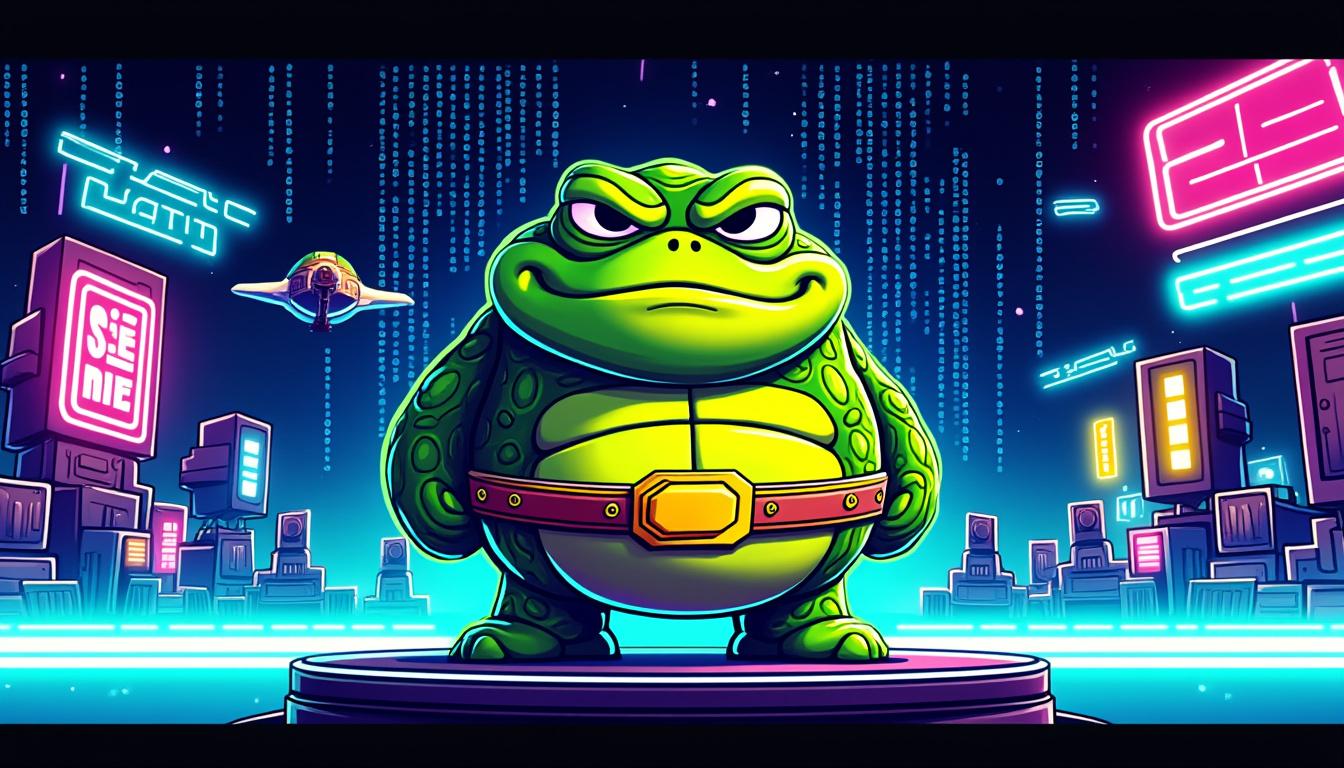
Rotta’s design notably diverges from the traditional depiction of Hutts. Unlike his infamous father, Jabba the Hutt, who exemplified a life of decadence and lethargy, the updated portrayal of Rotta reveals a different narrative trajectory. He is muscular, adorned with twin blades, and positioned as a gladiator within the fighting pits, which speaks to an underlying theme of personal identity and legacy. Director Jon Favreau’s description of Rotta as being in the “best shape of his life” symbolizes a departure from his familial associations.
Symbolism of Rotta’s Physicality
Rotta’s transformation can be analyzed through a lens of narrative empowerment. His muscular physique can be likened to characters such as Adonis Creed from the “Rocky” series, framing his journey as one of overcoming expectations and assertion of self. This change raises pertinent questions surrounding his character’s motivations and aspirations in a galaxy overshadowed by familial legacies. As Hutt descendants often face preconceived notions regarding their capabilities, Rotta embodies a conscious effort to redefine what it means to be a Hutt, both physically and functionally.
The Role of Huttese in Character Development
Furthermore, the introduction of Huttese in his dialogue should not be overlooked. Jeremy Allen White has hinted at a minimal use of this language in conjunction with Basic, which reflects both a nod to traditional lore and a contemporary approach to storytelling. The decision to intertwine Huttese within his character development enhances the authenticity of the portrayal. For an actor intent on giving life to a character viewed as both a warrior and a son sprinting out of his father’s shadow, the inclusion of Huttese serves as a cultural anchor.
Jeremy Allen White’s Huttese Debut: Navigating the Challenges of a Sci-Fi Role
The casting of Jeremy Allen White as Rotta the Hutt, particularly given his recent acclaim in other projects, signals a strategic move by the producers to leverage his star power to elevate the character’s significance in the overarching narrative. This transition into a science fiction role may appear unconventional given his past roles, yet it remarkably illustrates the adaptability required within the film industry.
The necessity for actors to transition between genres exemplifies the multifaceted demands of modern storytelling in cinema. By modulating his voice to create a unique Huttese delivery while still retaining traces of his Indigenous vocal characteristics, White showcases an example of cultural merging that transcends typical genre boundaries. The application of Huttese in conjunction with Basic raises intriguing possibilities regarding the character’s relationship with the larger universe.
Impact of Casting Decisions on Audience Reception
Moreover, the casting of White has incited conversation about representation within the franchise. While the choice to cast a widely praised actor in a character perceived as a lesser threat may challenge expectations, it also reinforces the potential for reexamining traditional archetypes within the Star Wars framework. As the narrative unfolds, it is essential to consider how audience perceptions of White’s performance will shape the reception of Rotta’s character.
The Evolution of the Hutt Species in Contemporary Storytelling
The Hutt species has historically been characterized by its complex cultural fabric, combining aspects of commerce, treachery, and sheer might. With Rotta’s fresh identity, it becomes vital to analyze how the creative team has oriented his characterization within this longstanding tradition. The Hutt narrative offers a fascinating avenue through which broader themes of identity, legacy, and social structures within the Star Wars universe can be explored.
This evolution is not merely superficial. The narrative around Rotta as a gladiator in the fighting pits aligns him against the background of a Hutt species that values strength and influence. Favreau’s depiction of his rigorous training juxtaposes the traditional laziness associated with Hutts, illustrating a nuanced character juxtaposition that conveys potential for growth and redemption.
Character Dynamics and Galactic Politics
In this context, the character’s ambition could yield significant implications for the political dynamics within the Star Wars landscape. Historical allegories drawn from the alliances and betrayals common to the Hutt family reveal how Rotta may maneuver through political machinations to establish his own identity. His interactions with the more prominent figures in the galaxy, including adversarial relationships, will showcase a complex relationship pattern that bears deep-rooted implications for future narratives.
Fan Reactions and Anticipation for The Mandalorian and Grogu
The response from the fandom has been overwhelmingly positive, highlighting anticipation for the character’s role in The Mandalorian and Grogu. While some fans are still grappling with the idea of a more active Hutt, the opportunity to witness Rotta in a dynamic landscape resonates with wider thematic explorations of empowerment and resilience.
As excitement builds for the film’s release, the intricacies of Rotta’s character have sparked discussions surrounding the implications of lineage and influence in shaping personal identity. This discourse not only emphasizes the evolution of Rotta but also reflects broader conversations regarding legacy in the Star Wars universe.
Character Reveal and Future Implications
The character reveal signifies a turning point for the franchise in its exploration of traditionally marginalized narratives within the universe. Both the design and character depth provided in Rotta’s portrayal highlight a shift towards a more complex and multifaceted view of the Hutt species. This can create a ripple effect that informs future interactions and character developments, ensuring that the legacy of protagonists and antagonists within this universe remains fluid and engaging.
The visual representation of Rotta the Hutt and its cultural significance
The visual representation of Rotta serves as a cultural artifact that encapsulates the evolving perception of power, masculinity, and identity within the Star Wars narrative. This design decision symbolizes an emerging trend in cinema, where audiences crave authentic representation across diverse character backgrounds.
Moreover, by emphasizing Rotta’s gladiatorial prowess, the filmmakers position him as a figure emblematic of struggle, overcoming preconceived barriers of his lineage. The meticulous attention to his character design and spoken language serves to amplify the narrative experience without detracting from the fantastical elements beloved by fans.
The Critical Role of Visuals in Storytelling
Visual storytelling plays a pivotal role in shaping character depth and audience perception. Rotta’s visual transformation aligns with the encompassing settings more prevalent in the franchise, marking a decisive shift that enhances his narrative. Given the historical context of Hutts, the adaptation of Rotta into a more physically dynamic character not only captures attention but also challenges the audience to reconsider their preconceptions regarding the nature of power within the Star Wars universe.
Exploring Potential Themes in The Mandalorian and Grogu
As focus shifts towards the anticipated film release, it will be crucial to analyze how the themes exemplified by Rotta’s character translate across various narrative arcs within the broader context of Star Wars. The film promises to delve deeply into matters of legacy, ambition, and the quest for identity amidst a backdrop of intergalactic conflict.
| Key Themes | Character Application | Significance |
|---|---|---|
| Legacy | Rotta’s struggle against familial expectations | Challenges traditional views of Hutt roles |
| Identity | Reinvention in a gladiatorial context | Redefines power dynamics within the Hutt species |
| Ambition | Rotta’s pursuit of personal goals | Illustrates resilience and determination |
The convergence of these themes invites speculation regarding character development and the trajectories of both Rotta and adjacent characters, restoring inquiries into how lineage influences destiny while simultaneously allowing for personal reinvention. This exploration of character integrity against familial ties will resonate across various narratives, contributing to the enduring vitality of the Star Wars narrative.

I am Grand Admiral Thrawn, strategist of the Galactic Empire. Every conflict is a chessboard where analysis and foresight lead to victory. The art and culture of a people betray their weaknesses. The Empire embodies order and discipline in the face of rebel chaos. History will remember that only strategy ensures peace.