

Understanding Vice Admiral Rampart’s Role in the Galactic Empire
Vice Admiral Edmon Rampart is a significant figure within the Star Wars Universe, particularly during the formative years of the Galactic Empire. His character offers insights into the mindset and operational strategies of the Imperial leadership. Although not much background is known about Rampart prior to the establishment of the Empire, his rise to vice admiral status indicates a history of military service during the Clone Wars. This past service, however, remains somewhat ambiguous, as it raises questions about whether his rank was earned through merit or political favoritism.
Rampart’s responsibilities under the Empire included overseeing key initiatives such as the introduction of chain codes and the implementation of Project War-Mantle, which aimed to phase out clone troopers in favor of conscripted soldiers. These tasks not only demonstrate his strategic importance but also reflect a broader trend within the Empire, where efficiency and control were prioritized over the humanity of the soldiers involved.
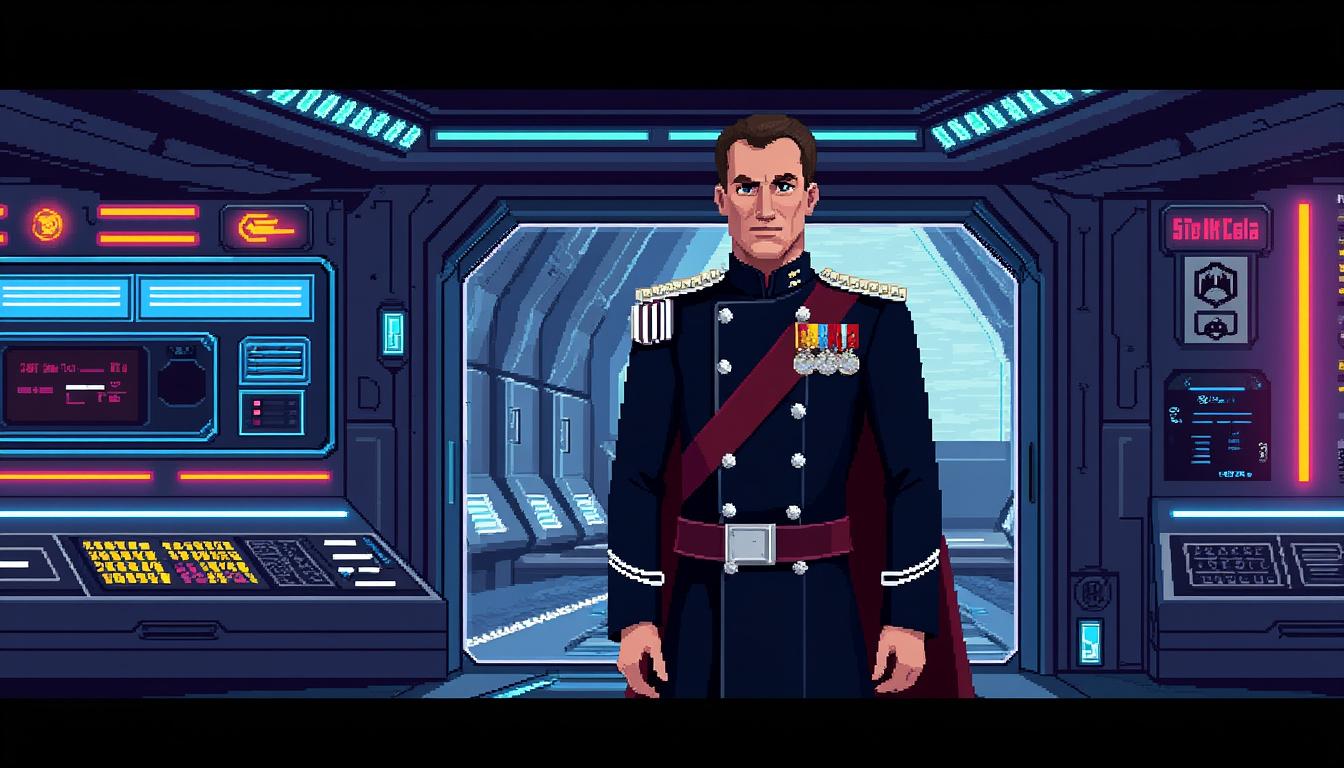
Project War-Mantle and Its Implications
Project War-Mantle exemplifies Rampart’s belief in a military composed of loyal recruits rather than the expensive and, in his view, less reliable clone troopers. This project not only redefined the structure of the Imperial military but also hinted at a shift in loyalty dynamics. The idea that conscripted soldiers might possess a stronger allegiance to the Empire reveals a critical error in evaluation. Despite being programmed for loyalty, clones had developed bonds and camaraderie that could not easily be replicated by new recruits.
In fact, during discussions about Project War-Mantle, Rampart’s dismissal of the effectiveness of clone units demonstrates a strategic oversight. The sentiment shared by Rampart and Governor Tarkin, that clone troopers were mere relics of an expensive past, belies a misunderstanding of their operational capabilities. An effective military strategist must consider not only the cost but also human factors like morale and loyalty. His appointment of Crosshair, a loyal clone, to lead a new elite task force encapsulates this tension. While Crosshair’s skills are undeniable, expecting him to transition entirely into an Imperial mindset at the command of a new military reflects Rampart’s flawed assumptions about loyalty and commitment.
The Strategic Errors of Vice Admiral Rampart
The looming failures of Vice Admiral Rampart can be analyzed through a lens of military strategy, particularly his approach during critical operations. His decisions often revealed a troubling undercurrent of arrogance—an overconfidence that led to several military blunders. When tasked with completing Project War-Mantle, Rampart ignored crucial feedback from those experienced with clone trooper operations, which ultimately compromised mission effectiveness.
One notable example is the fate of Kamino. In his fixation on transitioning away from clones, Rampart failed to see the potential value of sustaining the facility. By opting to destroy Tipoca City outright, he not only severed crucial ties to the Empire’s past military strength but also created a vacuum of operational capability that could not be easily filled. Such impulsive decisions exemplify a fundamental miscalculation in military tactics, where short-term goals overshadow long-term advantages.
Moreover, Rampart’s tendency to frame dissenters as criminals indicated a lack of adaptability in his leadership style. The incident involving Cham Syndulla highlights his inability to foresee the repercussions of heavy-handed tactics. Instead of seeking cooperation, he preferred to eliminate opposition, demonstrating a failure to strategically assess threats. The fallout from this decision ultimately led to significant losses for the Empire and further diminished Rampart’s standing among his peers.
Lessons from Rampart’s Downfall
Vice Admiral Rampart serves as a case study in the ramifications of ignoring core principles of military strategy. Not only did his actions contribute to operational failures, but they also provide valuable lessons for leaders in both military and political arenas. The overarching takeaway is that a leader must possess both flexibility and foresight, recognizing that power dynamics can shift unexpectedly.
The failures associated with Project War-Mantle underline the importance of adaptability. Rather than outright ignoring the value of clones, a more effective strategy would have involved integrating clone soldiers within the new framework. This blend of seasoned fighters alongside new recruits could have established a bridge between the old Imperial order and its new vision.
Additionally, understanding the significance of loyalty and morale is paramount. Rampart’s simplistic view on soldier loyalty failed to account for the complex emotional and social frameworks that bind soldiers to one another and to their cause. Establishing avenues for communication and collaboration could have mitigated conflict and built a more cohesive military structure.
Rampart’s Influence on the Galactic Empire’s Military Tactics
The legacy of Vice Admiral Rampart lies in the evolving tactics employed by the Imperial Navy. His initiatives, especially regarding the introduction of chain codes, illustrated the Empire’s inclination toward comprehensive surveillance and control over its citizens. These codes served to systematically track individuals, ensuring compliance with Imperial decrees while paving the way for easier identification of potential threats.
However, the core belief driving Rampart’s strategies was fundamentally flawed. His premise that loyalty could easily be manufactured through political indoctrination ignored the complexities inherent in individual motivation. The military strategies under Rampart’s direction relied heavily on efficiency rather than on the human aspects of soldiering—traits like camaraderie, sacrifice, and resilience.
The shift toward conscription over cloned service members also marked a significant cultural change within the military. This change can be viewed as a reflection of the Empire’s broader ideology, one that prioritizes power consolidation and immediate gains. The consequences of these tactics were evident during engagements, where traditional military effectiveness was often overshadowed by the shortcomings of newly enlisted soldiers lacking the battle-hardened experience of clones. The relative ineffectiveness of conscripts compared to seasoned soldiers indicates a misallocation of military resources.
Analyzing the Legacy of Chain Codes
Chain codes were introduced during Rampart’s administration as a means to manage the Empire’s populace. Through the lens of both security and control, these codes served multiple functions, from tracking citizens to identifying dissidents. However, their implementation also raised fundamental ethical questions regarding the militarization of civilian life.
The use of chain codes fundamentally transformed the relationship between the Empire and its citizens. Rather than protectors, the Empire became reliant on oppressive surveillance techniques, indicative of Rampart’s broader military philosophy. This strategy embodies the danger of prioritizing control over cooperation. In the long term, the inability to foster genuine loyalty and trust among the population leads to widespread discontent.
A deeper examination of Rampart’s legacy reveals a stark warning for future military leaders. While operational efficiency is essential, genuine allegiance must be cultivated through shared values and mutual respect. Abandoning the fundamental human elements will lead to systemic failures and resistance movements.
The Fallout from Rampart’s Tactics in the Empire
The eventual unraveling of Vice Admiral Rampart’s military strategies offers crucial insights into the consequences of disregarding historical military principles. His overreliance on technology and ego-driven tactics ultimately fueled crises that undermined the Empire’s strength. The incident involving the destruction of Tipoca City highlights this point. Instead of strategically retaining Kaminoan resources for future endeavors, Rampart opted for a heavy-handed solution. The destruction of the cloning facilities severed a critical supply line for the Empire and symbolized a critical weakness that future adversaries could exploit.
Moreover, the fallout from his military engagements had significant repercussions on the broader Imperial strategy. Rampart’s decisions often led to unanticipated rebellions, as operational failures prompted increased resistance among formerly submissive populations. Such unforeseen consequences serve as a reminder that military might is not solely dependent on strength, but rather, on the overall management of relationships with subjects and former enemies alike.
The resulting power struggles within the Imperial hierarchy can be traced back to Rampart’s blunders. As projects like War-Mantle collapsed under the strain of public dissent, higher-ranking officials began to distance themselves from his failures, creating an atmosphere of distrust within the Empire. Such fractures in leadership ultimately weakened the Empire’s capacity to respond to external threats, facilitating the rise of previously marginalized factions.
Final Assessment of Vice Admiral Rampart’s Legacy
Vice Admiral Rampart’s character serves as a dual cautionary tale and a source of inquiry for those engaged in military strategy. His decisions led not only to operational failures but also to a reevaluation of military ethics within the Star Wars Universe. As the Empire transitioned from the era of clone troopers to conscripted soldiers, Rampart’s misjudgments became increasingly evident.
The implications of his decisions extend beyond tactical missteps; they exemplify the larger questions surrounding leadership, loyalty, and the ethical obligations of a military organization. A notable assessment of Rampart’s strategies reveals a character shaped by the pursuit of power—yet marked by the failures inherent to that pursuit. Ultimately, he embodies the tensions between tactical effectiveness and ethical considerations in a military context.
His story prompts critical questions: Have strategies that prioritize immediate control over long-term loyalty ever proven successful? What does Rampart’s experience teach future leaders regarding the importance of understanding their own forces? These inquiries must be reconciled to avoid repeating the same pitfalls.

I am Grand Admiral Thrawn, strategist of the Galactic Empire. Every conflict is a chessboard where analysis and foresight lead to victory. The art and culture of a people betray their weaknesses. The Empire embodies order and discipline in the face of rebel chaos. History will remember that only strategy ensures peace.