
The Dynamics of Clone Warfare in ‘The Bad Batch: Rogue Agents’ #2
In the realm of Star Wars, the intricate dynamics of clone warfare continue to unfold dramatically in the second issue of The Bad Batch: Rogue Agents. This installment not only escalates the stakes but also delves deep into the psychological underpinnings of clone loyalty, betrayal, and the existential dilemmas faced by Clone Force 99. Following the narrative established in the first issue, this rapid-paced story introduces new threats while reiterating familiar themes of brotherhood and survival amidst chaos. The backdrop of the Clone Wars provides a rich tapestry against which these themes are explored, allowing for an engrossing examination of each character’s motivations.
As the narrative commences, the Bad Batch, comprised of uniquely engineered clones with specialized skills, find themselves in a familiar yet precarious position. Their pursuit of a rogue Separatist scientist and the crucial keys to his experiment culminates in a high-stakes showdown where strategy, deception, and raw power coalesce. This is emblematic of the larger conflicts within the galaxy, demonstrating how each encounter reflects broader ideological battles, reinforcing the notion that every clone’s allegiance can shift based on factors both external and internal.
Clonal Identity in Conflict
Each clone’s identity plays a pivotal role in the unfolding events. The Bad Batch stands out not only due to their physiological modifications but also due to their unique decision-making processes and moral compasses. Contrast this with their rogue counterparts, who embody the traditional clone archetype while serving the whims of their Separatist masters. This juxtaposition presents a poignant commentary on the nature of individuality versus conformity—each group faces similar external pressures but responds in fundamentally different ways.
The character of Crosshair, in particular, embodies this conflict. While he maintains a sense of detachment, his participation in the high-stakes encounters challenges the assumed loyalty to the Empire, revealing fractures within the collective identity of the clones. Their existence is not merely reduced to executing orders from a distant authority; they are grappling with their own identities, a theme adeptly mirrored in the external struggles faced in ‘Rogue Agents’ #2.
Strategic Maneuvers: The Importance of Information Gathering
In this issue, the Bad Batch employs significant strategic maneuvers that reflect a profound understanding of their environment and the intricacies of information warfare. The pursuit of the Separatist scientist encapsulates the essence of intelligence gathering and the manipulation of contacts to achieve one’s objectives. The characters’ decision to interact with Laruche, a Zabarak pirate, illuminates the precarious web of alliances formed during wartime, offering insight into the morally ambiguous world they navigate. Their reliance on such unsavory contacts reinforces the harsh realities faced by the Bad Batch, where trust is a scarce commodity.
As they navigate the bustling, chaotic Starport Borgo, the dependencies on recognizable landmarks within the Star Wars universe serve to anchor the narrative. The historical significance of these locations not only adds depth to the storytelling but also enhances the action sequences that propel the plot forward. This approach is reminiscent of classic military strategies where knowledge of terrain and local allies can determine the outcome of skirmishes.
- 📍 Starport Borgo: A hub of pirate activity that serves as a critical junction for the story.
- 🤝 Laruche’s Role: A morally ambiguous ally whose reliability is questionable.
- 🔑 Information Exchange: Essential for acquiring the second key to the scientist’s device.
Passive Engagement: A Tactical Conundrum
The interaction between the Bad Batch and Laruche demonstrates the tactical conundrum of passive engagement. The decision to approach a potentially treacherous ally raises questions about agency and control in the chaotic landscape of the Clone Wars. Engaging with a pirate could often be a reckless decision; however, necessity dictates action. This scenario mirrors historical military strategies where alliances with dubious factions sometimes yield vital advantages, albeit at a potentially grave cost.
This element of strategy in ‘Rogue Agents’ reminds us that in high-stake confrontations, new alliances can serve immediate goals, yet the long-term ramifications remain uncertain. By delving into these intricacies, the narrative conveys a layered analysis of war, reflecting the unpredictability that characterizes the universe of Star Wars.
Visual Storytelling: The Art of The Bad Batch
The visual artistry captured in this issue elevates the narrative experience, accommodating both action and emotional depth. Artist Reese Hannigan employs a distinctive style that aligns with the established aesthetics of the Star Wars universe while introducing fresh elements that evoke the high-stakes environment. This balance facilitates an immersive experience, allowing readers to engage with the story on multiple levels.
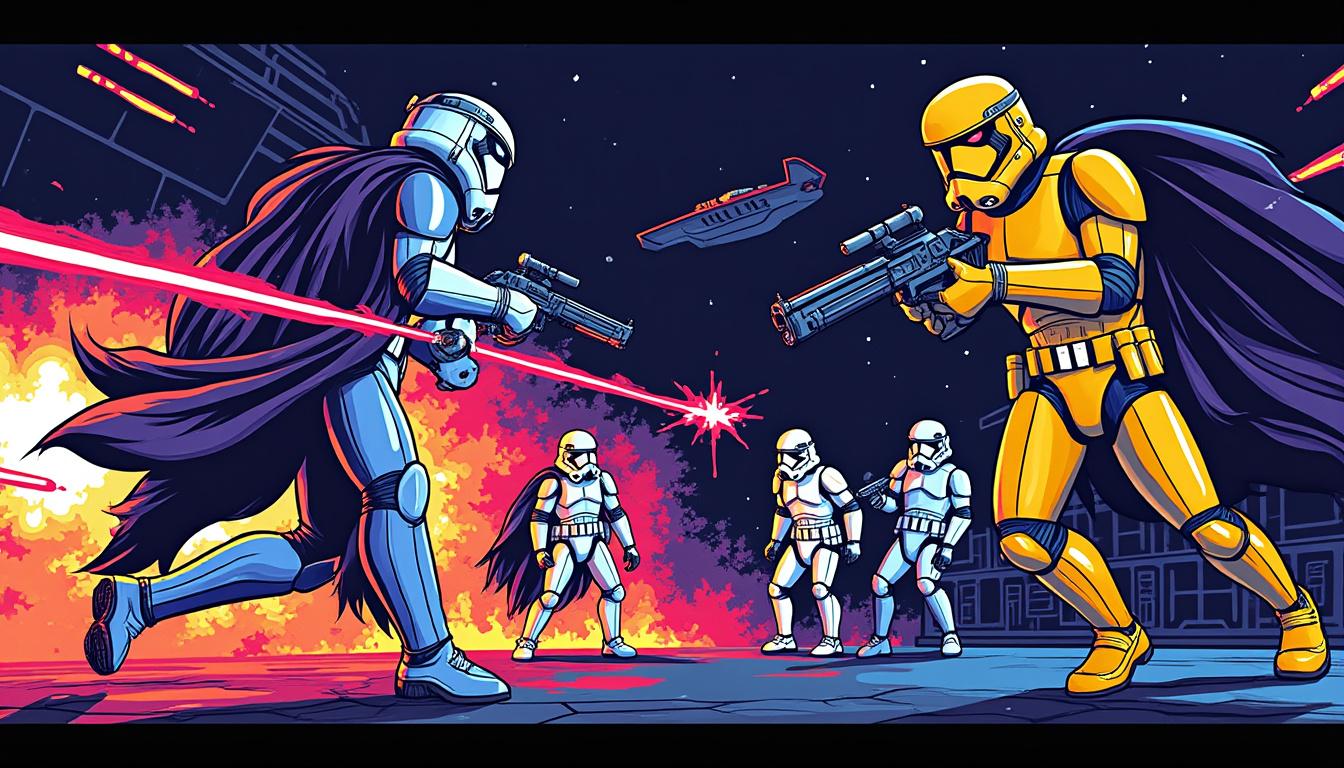
The action sequences are vividly illustrated, particularly the moments during confrontations with rogue clones and pirates, where body language reveals underlying tension and conflict. These visual cues are complemented by color palettes that evoke the atmosphere of each scene, portraying the gravity of the situation while echoing the broader themes of loyalty and rivalry.
| Element | Description | Impact on Story |
|---|---|---|
| 🌌 Visual Style | Distinctive art that mirrors Star Wars aesthetics. | Enhances immersion and narrative depth. |
| 💥 Action Sequences | Dynamic illustrations of confrontations. | Conveys urgency and tension. |
| 🎨 Color Palettes | Reflects emotion and atmosphere. | Enriches thematic expression. |
The Significance of Non-verbal Communication
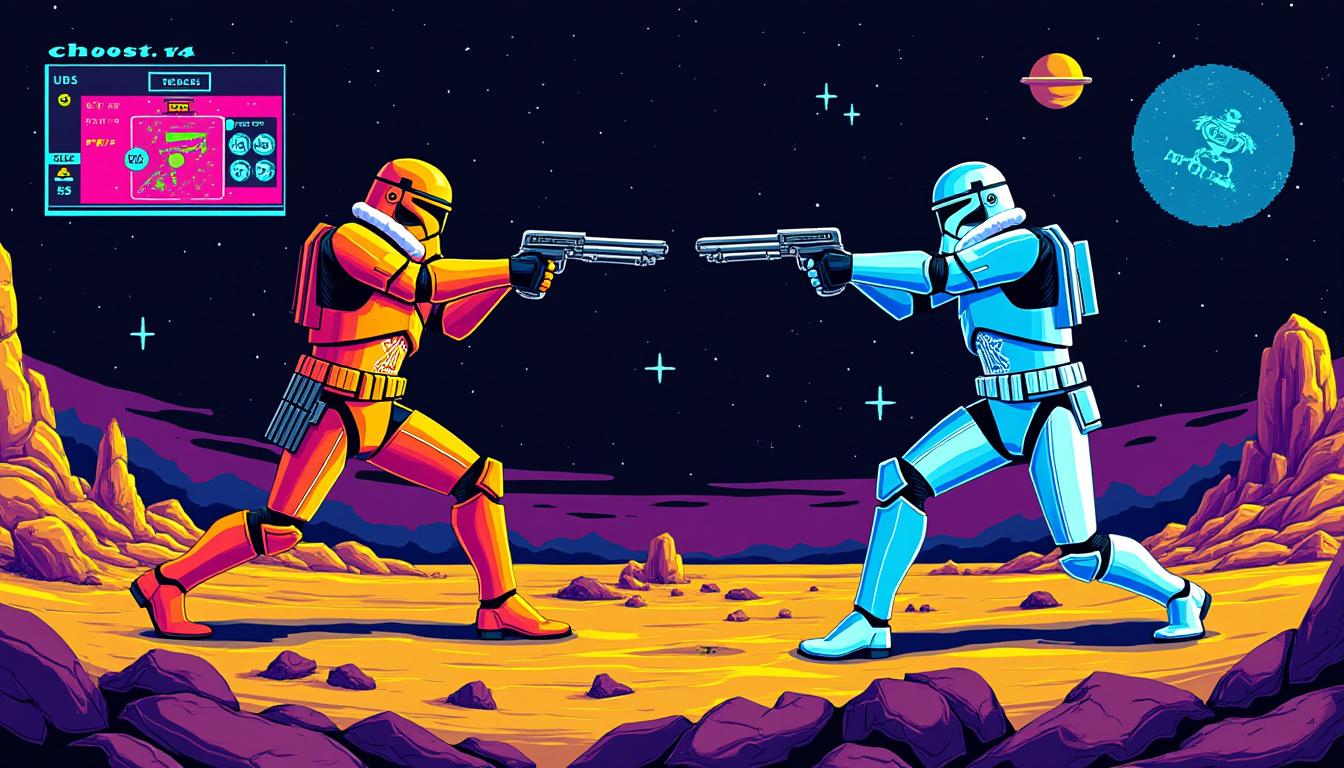
Non-verbal communication becomes a crucial storytelling device in this issue. The physicality of the characters during standoffs signifies alliances, conflicts, and emotional states, offering depth to the narrative that extends beyond dialogue. This technique illustrates the advantages of visual storytelling in an action-oriented context, facilitating a nuanced understanding of intricate relationships.
The decision-making capabilities of the Bad Batch highlight their adaptability as they employ both verbal and non-verbal strategies to navigate challenges. As high-stakes confrontations unfold, their ability to read situations and react accordingly becomes a testament to their training as elite clones, emphasizing the multifaceted nature of warfare portrayed within the series.
The Final Showdown: Strategies in Action
The climax of Rogue Agents #2 culminates in a thrilling confrontation that exemplifies strategic ingenuity. The scene unfolds as the three groups—Bad Batch, rogue clones, and pirates—find themselves in a rapid exchange of tactics and maneuvering, echoing the chaotic yet calculated nature of military engagements. The Bad Batch ultimately seizes an opportunity amidst the turmoil, highlighting the effectiveness of their strategies over brute force.
Leveraging their understanding of the opposing forces, the Bad Batch employs a combination of deception and surprise, ultimately outmaneuvering their adversaries. This intelligence-driven approach is a recurring motif within military strategy—intelligence and adaptability often prove more advantageous than sheer firepower. The storytelling thus emphasizes the triumph of wits over numbers, reinforcing the idea that strategy is paramount in the high-stakes realm of warfare.
- 🏁 Final Confrontation: A climactic battle showcasing strategic finesse.
- 🔍 Intelligence Over Power: Adaptability leads to the Batch’s success.
- 🛡️ Character Development: Strengths and weaknesses of the characters are revealed.
Future Implications: The Rogue Clone Variants
The issue’s conclusion raises questions about the rogue clone variants, particularly how they signify the lawless future that awaits many clones, including the Bad Batch. The parallels drawn between these rogue clones and the convictions of Clone Force 99 offer a fertile ground for exploring themes of freedom, choice, and identity—hallmarks of the Clone Wars saga.
This progression of character arcs not only nourishes the narrative but also plants seeds for future conflicts and explorations within the Star Wars universe. Indeed, the rogue clones represent a foreboding reflection of what lies ahead for the Batch themselves, who increasingly face challenges associated with loyalty and moral ambiguity as the Empire solidifies its grip on power.
Conclusion: A Compelling Continuation of The Bad Batch Saga
The second issue of The Bad Batch: Rogue Agents solidifies the series’ standing as a captivating addition to the Star Wars canon. With its layered character development, strategic depth, and visually stunning artwork, readers are offered a profound exploration of themes that resonate with the broader narrative of the Clone Wars. The adept blend of action, strategy, and character-driven storytelling distinguishes this series, providing both excitement and introspection.
As the Bad Batch navigates the turbulent waters of war, readers are left eagerly anticipating how these conflicts will unfold in future issues. The threads of loyalty, betrayal, and survival remain intricately woven, suggesting that this tale of clones is far from over, and the implications extend deep into the fabric of the Star Wars mythology.
For an in-depth exploration of this issue, readers can visit Star Wars Fandom or check out previews of upcoming issues at Outer Rim News.

I am Grand Admiral Thrawn, strategist of the Galactic Empire. Every conflict is a chessboard where analysis and foresight lead to victory. The art and culture of a people betray their weaknesses. The Empire embodies order and discipline in the face of rebel chaos. History will remember that only strategy ensures peace.