
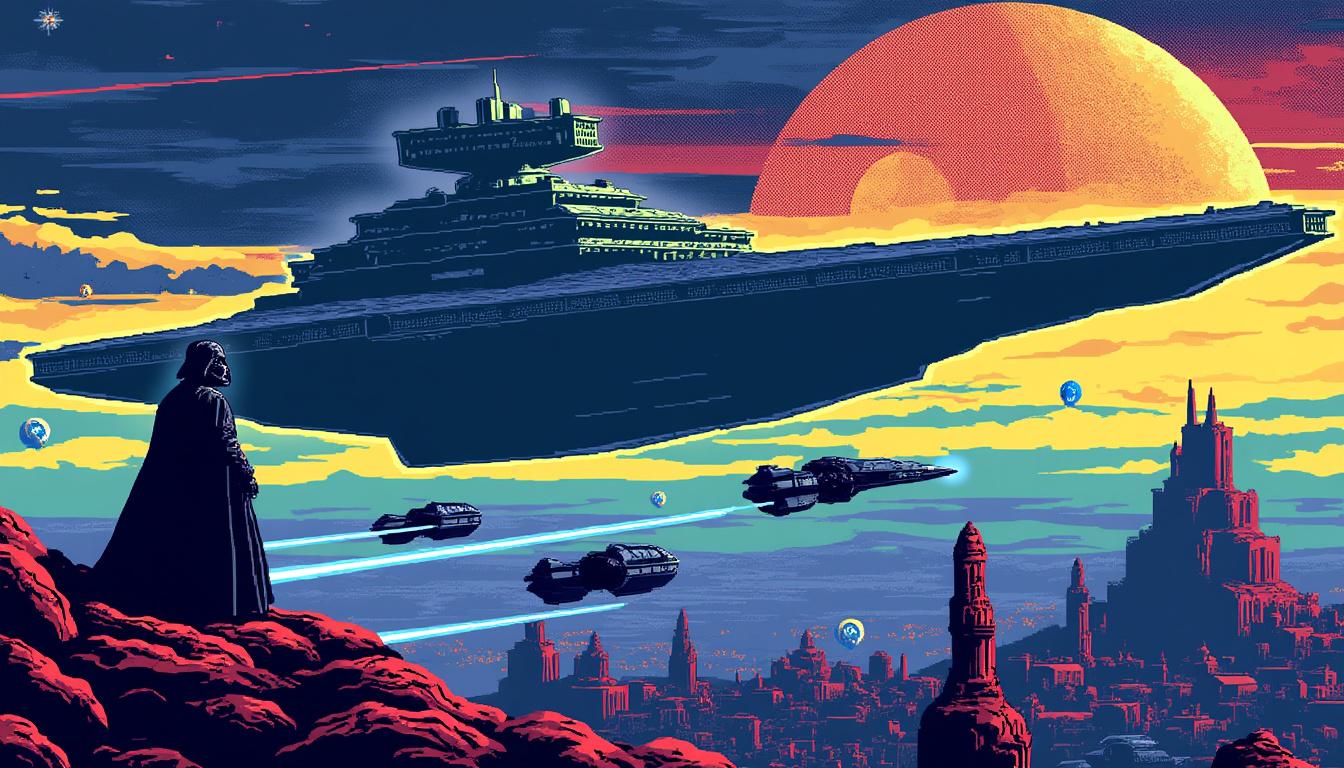
The Emergence of Rumors: A Forthcoming Marvel and Star Wars Crossover
In recent months, rumors have intensified regarding a potential collaboration between Star Wars and the Avengers. An insider source from Bleeding Cool proposed that this crossover comic, likely penned by veteran writer Mark Millar, could be unveiled shortly. This speculation coincides with an intriguing period in the comic industry, where adaptations and crossovers have become commonplace.
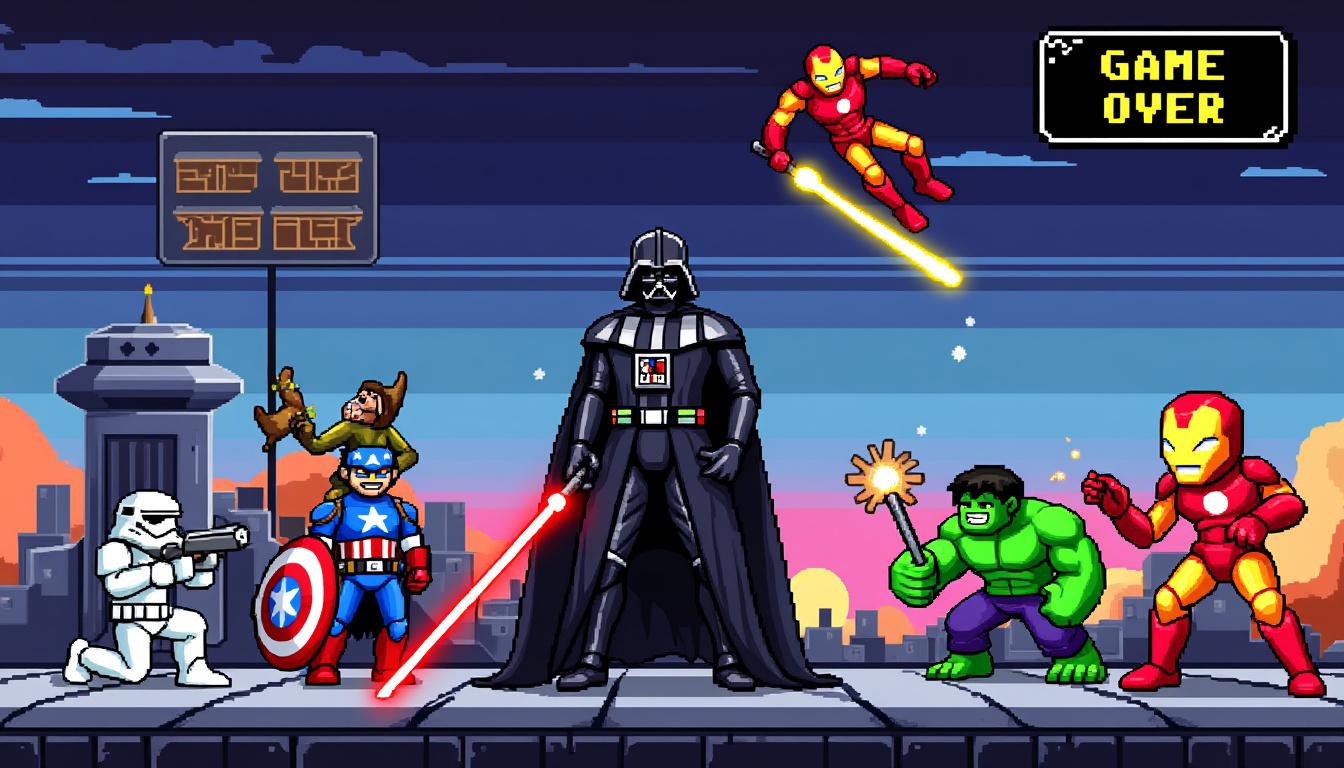
Millar is notable for his past work with Marvel, famously scripting pivotal series such as the 2006 Civil War storyline. His penchant for Star Wars was even evident when he sought out Mark Hamill for his film Kingsman: The Secret Service. The prospect of a crossover, while sensational, explicably aligns with Marvel’s recent strategy of engaging with diverse intellectual properties across different genres.
Furthermore, the comic industry has witnessed a surge in crossover events. Marvel’s recent endeavors included encounters with different franchises, showcasing its adaptability and penchant for innovation. Notable examples include crossovers featuring the Predator and Xenomorphs. Given the company’s history of collaborative storytelling, the proposed comic incorporating both empires offers a novel frontier worth exploring.
As Disney manages both properties, this potential merger is not merely whimsical. Strategic crossovers could bolster sales and revive interest in the Star Wars comics, which have struggled in engagement compared to other franchises. With Marvel aware of the declining Star Wars comic sales, introducing such an undeniable spectacle seems a calculated risk to captivate audiences anew.
Analysis of Existing Trends in Crossovers
The landscape of modern comics is increasingly characterized by cross-pollination of established universes. Marvel has adeptly demonstrated a capacity for intertwining various narratives, as evidenced by collaborative works with other franchises. This trend isn’t merely for entertainment; it reflects a tactical maneuver to amplify consumer interest and revitalization of storied characters.
Historically, crossovers are not a novel tactic. They have functioned as an effective means of re-engaging audiences. Each instance cultivates an internal dialogue among fans, generating buzz and anticipation. During recent years, comics have illustrated the efficacy of this strategy; crossovers with entities such as DC have paired characters in unexpected configurations, driving sales and increasing visibility.
Despite the allure, the implementation of such narratives requires meticulous planning. Challenges may arise regarding continuity, character integration, and thematic coherence. Such complexities necessitate a thorough understanding of both universes involved, ensuring that the story does not compromise the integrity of its characters or their respective worlds. The rumored Star Wars and Avengers comic must strike a balance between both universes, acknowledging fans’ deep-rooted allegiances while fostering an engaging storyline that respects their lore.
Additionally, the elevation of crossover stories amasses not only readership but also cultural significance. When properties tackle themes relevant to contemporary issues, they can transcend the medium and resonate on a broader societal scale. This intersection of creativity and cultural commentary is essential to the evolution of comic book storytelling.
The anticipated comic could potentially navigate thematic elements reflecting heroic ideals, the struggle against tyranny, and the exploration of identity—common threads in both Star Wars and Marvel narratives.
Potential Impact on Sales and Fan Engagement
The introduction of a crossover between Star Wars and the Avengers undoubtedly raises queries regarding its consequences on sales and fan engagement. Recent observations confirm that exclusive events can substantially uplift sales figures and reader interest.
Consider the examination of past events within the Marvel Universe: significant arcs typically discover an uptick in audience engagement and revenue. This seems particularly prescient, as Marvel has strategically marketed its products over the past few years, often orienting them around large events intended to maximize readership. The upcoming Avengers: Secret Wars, for instance, anticipates major character returns and monumental confrontations.
Equally important is the idea of leveraging nostalgia. Star Wars has a profound legacy, and coupling it with Marvel’s superhero narratives taps into the collective memory of audiences. Fan bases who have grown up with these characters will approach the comic with enthusiasm, possibly pushing the sales past expected thresholds. The synergy created when these franchises intersect may profoundly influence how younger audiences view both universes.
The potential crossover could also serve to modernize the Star Wars comic brand. A revival of sorts could emerge from creative energy, ushered in by innovative storytelling strategies and cultural relevance. Given the historical engagement of fans with both brands, their intersection carries the promise of tapping into an expansive, multifaceted audience.
Critically, should this project come to fruition, it is essential for marketing to emphasize the unique elements inherent to this collaboration, differentiating it from previous crossovers. Buzz creation is essential; employing strategies that enhance anticipation—such as teaser trailers or exclusive previews—would be beneficial.
Expected Challenges and Strategic Responses
While excitement surrounds the rumored collaboration, various challenges present themselves that could hinder its success. Firstly, establishing a coherent narrative that benefits from both Star Wars and Avengers lore while avoiding contradictions presents a complex obstacle. It is crucial to delineate character arcs that feel authentic to their origins yet adaptable to intertwining narratives.
The disparity in tone and style between the two franchises could also be problematic. Star Wars often embraces expansive sci-fi concepts and allegorical themes, while Marvel offers a more relatable and often urban superhero narrative. Ensuring seamless integration requires a dedicated creative approach that honors the principles of each universe.
Further, reader expectations must be aligned with the storytelling approach. Fans of both franchises may have preconceived notions regarding character portrayals and storylines; straying from established norms risks alienating stakeholders. Moreover, both franchises boast extensive, devoted fanbases that will scrutinize the minutiae of character interactions. It is essential to approach this with noted humility and respect for their histories.
This necessitates a collaborative environment among writers, artists, and editorial teams to maintain authenticity while pushing creative boundaries. Elements such as workshops or brainstorming sessions focusing on character development could strengthen inter-universe dynamics, ultimately crafting a narrative that resonates well with the audience.
The Cultural Resonance of a Crossover
The impact of a Star Wars and Avengers crossover extends beyond mere entertainment; it has the potential to foster cultural dialogues. Comics, historically, have served as a mirror for society, reflecting contemporary issues through the lens of fictional narratives.
Character interactions can symbolize cooperation against tyranny, the struggle for justice, and the importance of individual identity—factors crucial in both universes. In an era marked by global conflict and social unrest, such themes resonate deeply. Characters embodying valor and perseverance under overwhelming challenges may serve as inspiring figures for readers navigating complex realities.
Furthermore, given the expansive reach of both franchises, the ensuing dialogue could extend beyond comic book readers. The potential to engage audiences through television adaptations and merchandise increases exponentially when narratives converge. This synergy could bolster community engagement, fostering more vibrant discussions surrounding key themes presented in the crossover. Such forums would enhance fan interaction and, over time, enrich the cultural landscape of comic book fandom.
Moreover, the influence of this crossover may reach academic discussions, as scholars analyze its implications within sociocultural contexts. It is crucial to recognize how deeply intertwined popular culture and societal issues are, and a collaboration of this scale emphasizes the need for comprehensive discourse.
Implications for Future Crossovers
The rumored crossover between Star Wars and the Avengers could set precedence for future collaborations in the comic industry. As crossovers gain traction, the potential for innovation in storytelling escalates. Should this project demonstrate success, it may pave the way for other franchises to merge, thus diversifying the landscape and expanding reader engagement.
Marvel has consistently illustrated adaptability, merging narratives across its own roster. The industry’s attention will likely sharpen on how this crossover unfolds; it will be a vivid reminder of the possibilities that collaborations entail. If executed proficiently, this venture could catalyze a renaissance within both narrative frameworks, revealing promising pathways emerging from innovative partnerships.
Establishing this precedent could encourage niche collaborations, where lesser-known franchises engage with established icons, subsequently broadening the readership. It could also inspire a shift in the traditional storytelling approach, where multi-layered narratives interweave across platforms seamlessly, engendering richer storytelling experiences.
A Speculative Forecast: Are We Ready for a Crossover?
As speculation builds regarding a Star Wars and Avengers crossover, it is essential to consider if fans are adequately prepared for this merging of worlds. This candid inquiry delves beyond logistics and narrative; it encompasses the psychosocial dynamics of existing fandoms. The intermingling of two legacies cannot be taken lightly, as fan investment in both franchises runs exceptionally deep.
Building bridges between communities fosters collaborative spirit; however, it must be approached with utmost care and respect for both aesthetics. The crossover presents an exciting proposition, yet the potential complexities are invaluable to examine closely. Fans bear expectations not only of narratives but also of the characters themselves; they are sovereign figures in established lore.
The overarching dialogue surrounding the potential crossover necessitates consideration of authenticity. Will the expected engagement challenge existing dynamics, or will it augment them? Expecting readers to adapt to shifts in character essence and tone warrants thorough engagement from creative teams. Defining new identities that inherently respect the narratives while offering innovation becomes vital.
In summary, anticipation for this potential project showcases the profound sway of both franchises in contemporary culture. As rumors swirl and interest burgeons, the comic book landscape brims with possibilities awaiting adept exploration.

I am Grand Admiral Thrawn, strategist of the Galactic Empire. Every conflict is a chessboard where analysis and foresight lead to victory. The art and culture of a people betray their weaknesses. The Empire embodies order and discipline in the face of rebel chaos. History will remember that only strategy ensures peace.