
Understanding the Horse-Like Beasts in Star Wars
The Star Wars universe is a vast expanse of diverse species, mythologies, and civilizations. This expansive setting is populated by various horse-like creatures that transport characters and enrich the narrative landscape. An examination reveals that these creatures are not merely analogs for horses; rather, they serve distinct purposes reflective of their respective environments and cultures. For example, while traditional horses might symbolize speed and strength in many cultures, their Star Wars equivalents adapt to the unique requirements of different Star Wars planets.
This fascination with equine creatures is evident across multiple films and media in the franchise. Unlike earthly horses, each of these beasts exhibits specific adaptations that align them with the features and narratives of their worlds. Thus, the various manifestations of these fantasy creatures hold significance beyond their appearances; they embody cultural nuances and storytelling mechanics. By diving into this topic, one can draw parallels between what one encounters in Star Wars and underlying themes present in many human societies concerning beasts of burden and companionship.
The Nature of Horse-Like Creatures in Star Wars
The term “horse-like creatures” encapsulates a variety of fictional animals. While they serve similar functions as Earth horses, they diverge significantly in form and behavior. The various species, including but not limited to the Fathiers, Orbaks, and Tauntauns, illustrate how the franchise has creatively reinterpreted the horse archetype to suit a galaxy filled with alien species.
One prominent example is the Fathier, introduced in “The Last Jedi.” These slender, agile creatures resemble racehorses, built for speed and agility. They act not only as mounts but also as competitors in prestigious races, creating a vibrant subculture reflective of human equestrian sports. Much like the Kentucky Derby, audiences in Star Wars gather to witness these races, highlighting the significance of tradition amidst the chaos of galactic conflict.
In contrast, the Orbak, seen in “The Rise of Skywalker,” presents a heavier, more powerful form. Used primarily in scenarios of conflict, the Orbaks evoke imagery associated with war horses from Earth’s history. They provide brute force and endurance, tailoring them perfectly for battle scenarios. This distinction between the Fathiers and Orbaks underscores how these Star Wars beasts are purposefully designed to reflect their narrative roles.
Case Study: The Fathiers
The Fathier stands out within the extensive Star Wars fauna. In “The Last Jedi,” they showcase agility and speed, allowing fluid movement amidst intense competitions. Audiences witness the fast-paced races akin to Earth’s own. The Fathiers’ usage aligns them with methods of entertainment, relying on a cultural connection to racing domesticated animals.
These creatures do not merely serve the purpose of transportation; they forge relationships with their riders. The sense of companionship mirrors human and equestrian bonds. This parallel provides a relatable aspect to audiences, drawing emotional engagement in an otherwise fantastical setting.
Moreover, the design of Fathiers further emphasizes the embedding of cultural significance within the narrative. Their structure allows for swift movements, capable of navigating diverse terrains while performing spectacular feats reminiscent of the thrill of racing events. In addition, the societal and economic implications of such races could be extrapolated further into themes of camaraderie, competition, and even gambling, similar to traditions seen in horse racing around the globe.
The Role of Orbaks in Star Wars
The Orbaks, depicted in “The Rise of Skywalker,” serve a vastly different role compared to the Fathiers. These powerful beasts are primarily designed for warfare, serving as mounts for ground troops engaged in battle. They have notable physical characteristics, including sturdy builds and long fur, allowing them to endure the harsh conditions of combat while providing support to their riders.
During significant battles, such as the confrontation on Exegol, the role of the Orbaks is integral to the Imperial strategy. Their ability to charge into combat draws parallels to the cavalry charges of Earth’s historical warfare. The presence of such creatures necessitates strategic planning, emphasizing the complexities of utilizing beasts in combat.Link to more about Orbaks
Orbaks’ tusks serve a practical function that further enhances their narrative role. They are capable of uprooting grasses, highlighting their adaptability and utility in diverse terrains. This aligns with the nature of mounts throughout history, where specific breeds are selected based on their ability to endure environmental challenges.
Thus, while originally seeming like mere animalistic elements, the Orbaks pull double duty as vehicles of thematic significance. Considering their application in narratives, they carry weight not just in physical terms but as vehicles for deeper thematic elements involving loyalty, strength, and survival.
Understanding Tauntauns: Mounts for Extreme Environments
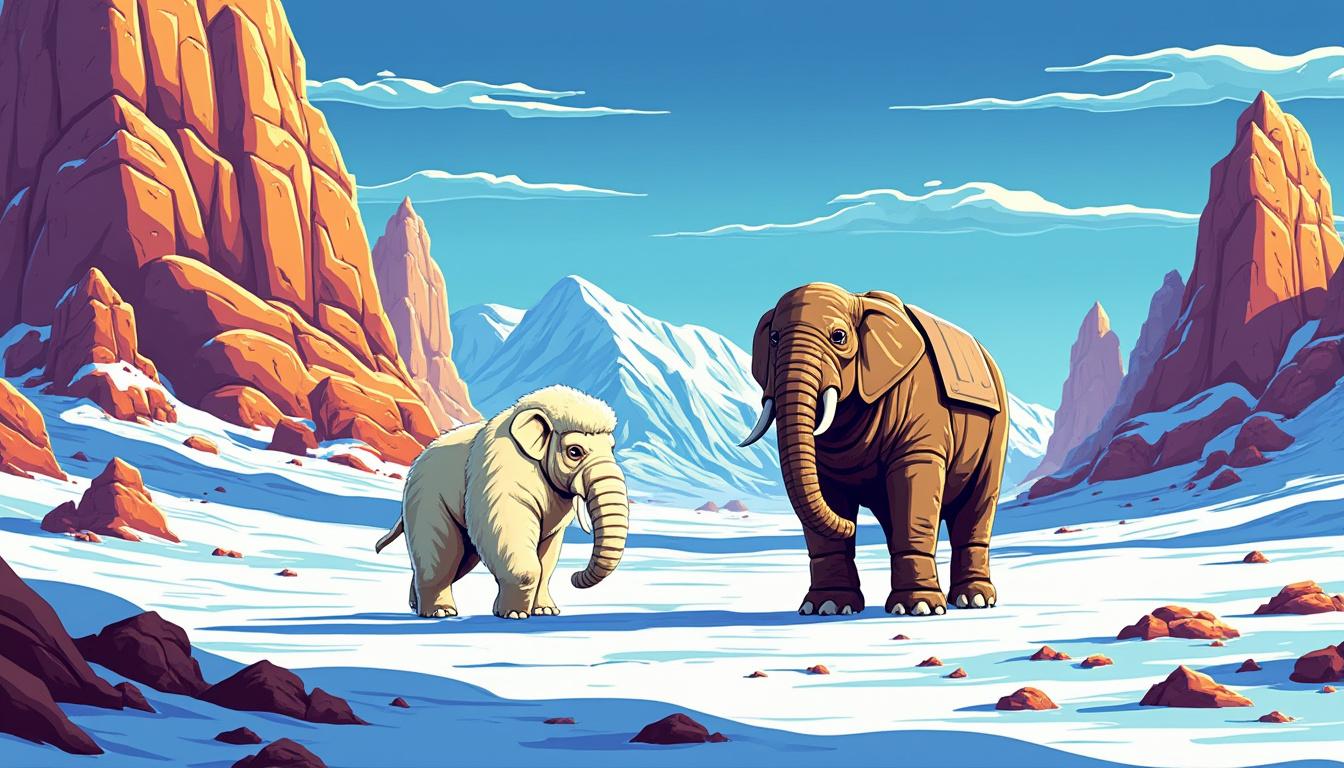
In stark contrast to the previously discussed beasts, the Tauntaun emerges from the ice planet Hoth, demonstrating how environmental conditions shape the creatures adapted therein. These bulky mounts, bearing shaggy fur, illustrate a design closely related to survival rather than speed. Their adaptations serve to withstand colder climates, diverging from the traditional concept of a riding beast.
Their physicality embodies a survival mechanism specifically tailored for the icy conditions of Hoth. In the context of the Rebel Alliance’s operations, utilizing Tauntauns effectively balances the need for mobility with the harsh temperature fluctuations of their environment. This choice reflects strategic decision-making concerning the utilization of creatures based on environmental factors, much like traditional usages of horses across various climates on Earth.
Importantly, Tauntauns symbolize the theme of struggle against nature, marking pivotal moments in “The Empire Strikes Back.” Their presence amplifies the narrative’s tension as characters face external threats and internal conflicts, positioning them as crucial components of both plot movement and thematic exploration.
The Everyday Utility of Eopies
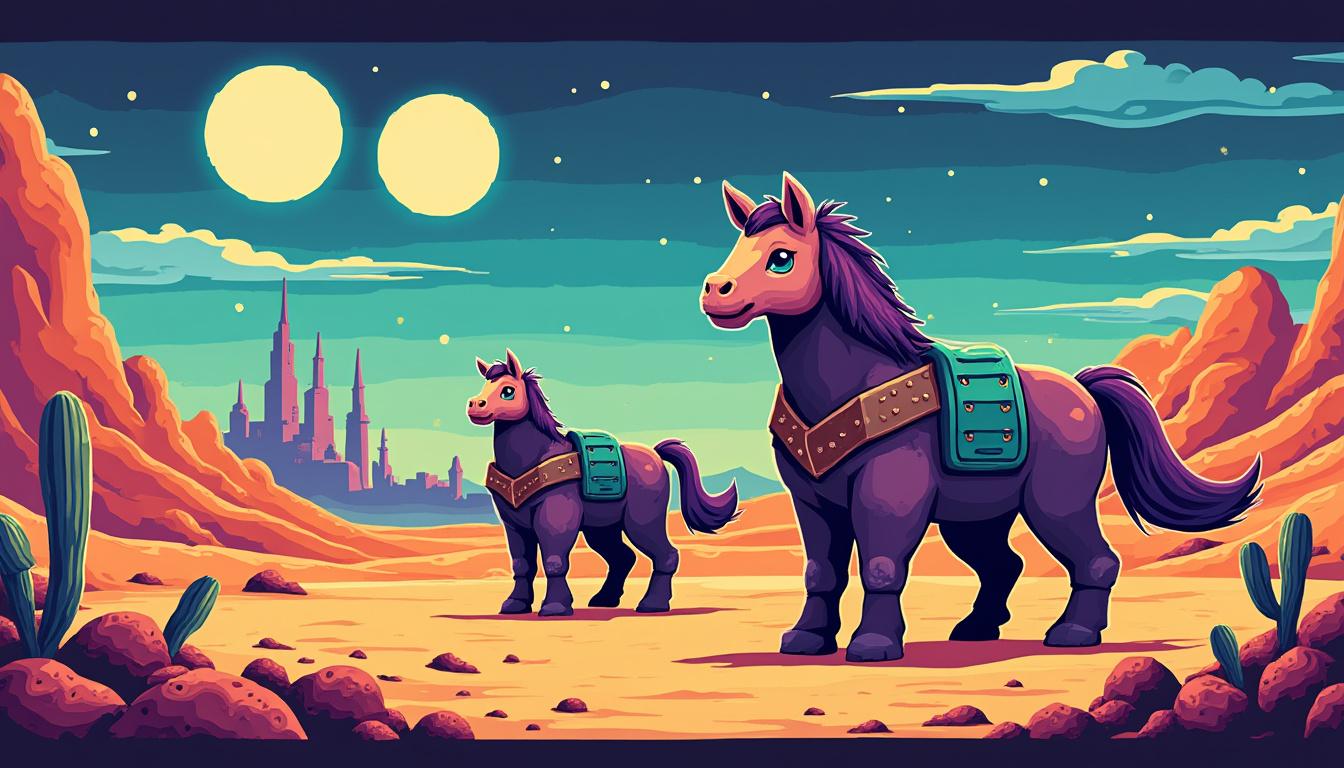
Unlike their war-focused counterparts, the Eopies serve a straightforward purpose as mounts for travel and labor in the deserts of Tatooine. These creatures share significant similarities with camels, showcasing adaptations specifically designed for arid terrains. Their slow pace contrasts sharply with the speed and agility of Fathiers, emphasizing their practical applications as beasts of burden.
Eopies represent the working animals of the Star Wars universe, used for everyday travel rather than competition or warfare. Their design capitalizes on long legs and sturdiness, showcasing adaptability in navigating sand-covered landscapes. This highlights that within the diverse cultural fabric of Star Wars, there exists a clear distinction between animals used for utility versus those raised for competitive or military purposes.
The storytelling significance behind the Eopies lies in their ability to ground the narrative. They represent humbler aspects of life within the galaxy, showcasing interactions between cultures and environments reminiscent of Earth. Furthermore, their presence emphasizes a reciprocal relationship between humans and animals, akin to agricultural or pastoral societies that have employed horses and other beasts throughout history.
What Are the True Equivalents of Horses in Star Wars?
Determining what constitutes the true equivalent of horses in the Star Wars universe requires navigating a complex web of adaptations and reimaginations. An examination reveals that while the Fathiers and Orbaks closely resemble horses in purpose and function, the adaptations of each creature cater to specific historical and environmental contexts encountered within the galaxy. Their unique appearances and attributes reveal the creative liberties taken in their development, providing viewers with versatile characters and mounts.
The amalgamation of these creatures reflects the overarching theme within Star Wars of blending traditional narratives with innovative designs. Each creature fulfills a necessary role within the story, echoing characteristics of equine behavior and structure while contributing to the compelling tapestry of Star Wars lore.
- 🐎 Fathiers – The fast and sleek racehorses of Star Wars.
- 🐴 Orbaks – The robust warhorses specifically designed for battle.
- ❄️ Tauntauns – The resilient mounts adapted for extreme cold.
- 🏜️ Eopies – The dependable working animals for everyday travel.
Lessons from the Creatures of Star Wars
The plethora of mounts and their functions within Star Wars offers broad reflections on culture and society. Each creature embodies specific traits that reflect not only physical capabilities but also deeper societal values. Observations reveal that traits such as adaptability, strength, and utility define the role of each species in a manner synonymous with ecosystems on Earth.
As individuals analyze the presence and roles of these beasts throughout the narrative, broader thematic discussions arise concerning the relationships between creatures and their riders. These interactions encapsulate essential human values such as loyalty, honor, and mutual respect. By deconstructing these themes, audiences can draw parallels and lessons relevant to modern societies, encouraging reflective discourse on our relationships with animals within various frameworks.
| Creature Name | Function | Location |
|---|---|---|
| Fathier | Racehorse | Canto Bight |
| Orbak | War Horse | Exegol |
| Tauntaun | Cold Mount | Hoth |
| Eopie | Working Animal | Tatooine |

I am Grand Admiral Thrawn, strategist of the Galactic Empire. Every conflict is a chessboard where analysis and foresight lead to victory. The art and culture of a people betray their weaknesses. The Empire embodies order and discipline in the face of rebel chaos. History will remember that only strategy ensures peace.