

The Historical Context of ‘Rogue Squadron’ in the Star Wars Franchise
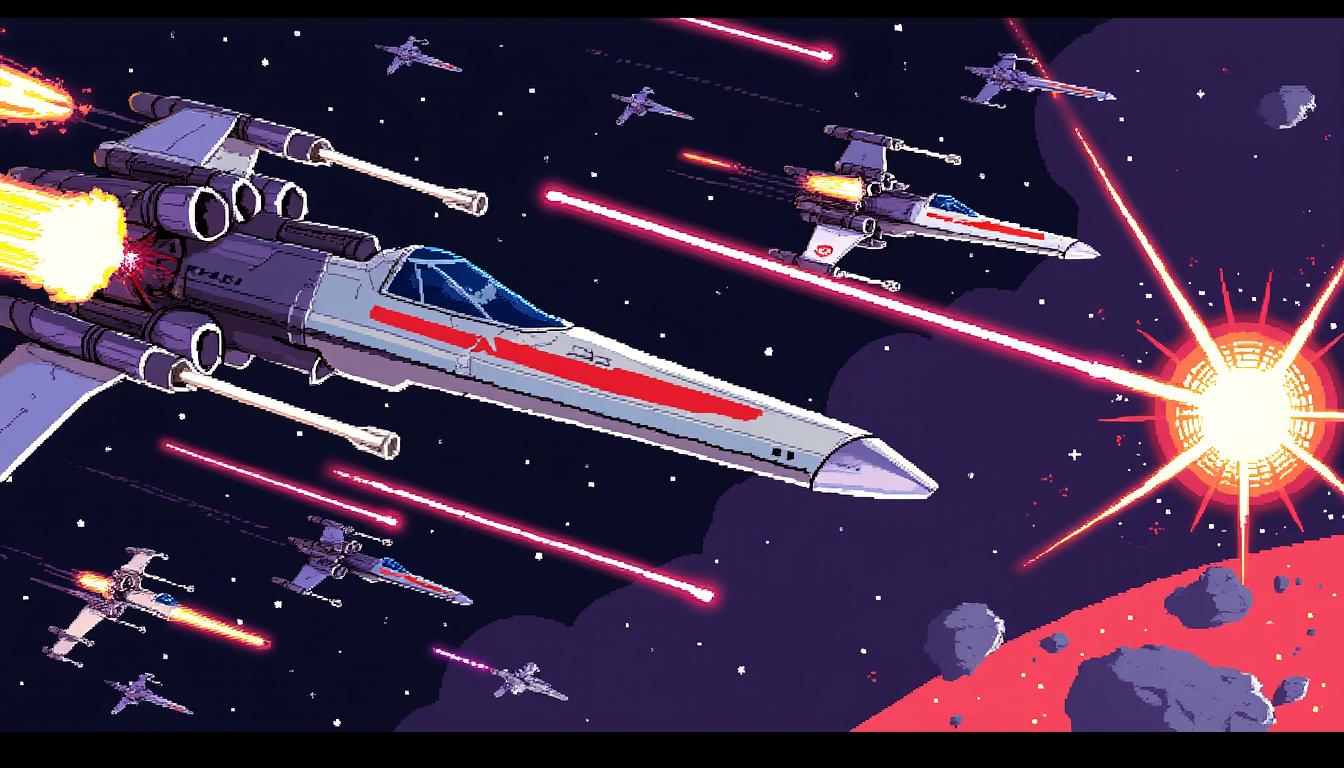
The ‘Star Wars’ franchise, a monumental collection of films and stories, has influenced cinematic storytelling since its inception. The journey of crafting a script for ‘Rogue Squadron’, a project linked to the larger narrative of this iconic universe, illustrates the challenges and triumphs faced in film production. Announced in late 2020, this project underscored Lucasfilm’s commitment to expanding the ‘Star Wars’ lore. Initially prepared by screenwriter Matthew Robinson under the direction of Patty Jenkins, the film is designed to reach audiences through the lens of aerial combat and the experiences of starfighter pilots.
The significance of this film lies not only in its potential storytelling but also in its connections to the broader ‘Star Wars’ canon. ‘Rogue Squadron’ references a group well-known to fans, encapsulating themes of valor, camaraderie, and sacrifice. The pilots’ experiences resonate deeply within the troubled landscapes of various ‘Star Wars’ battles. However, the film’s progression has faced
uncertainties, highlighting the unpredictable nature of film production. As studios navigate complex landscapes for new content, insights from Robinson provide a unique lens into the ongoing creative process.
Challenges in Scriptwriting and Production
Crafting a script for such a beloved franchise poses numerous challenges. Matthew Robinson faced these complexities head-on, channeling creativity to construct a narrative that balances unique storytelling with established lore. The project initially seems promising, yet it has undergone several developmental hurdles. With the film pushed back and the departure of key figures like Kathleen Kennedy, Lucasfilm encountered a state of flux that inevitably affects production timelines.
Robinson once stated he worked closely with Jenkins, whose personal ties to the material shaped the narrative’s direction. Jenkins, with a father who was a fighter pilot, infused the script with emotional depth, seeking to create a story that resonates beyond the confines of space combat. Such personal narratives often enhance film scripts by inserting relatable experiences into fantastical settings. However, the inability to reconvene as planned impedes the creative process, complicating the development of a cohesive film strategy.
Matthew Robinson’s Insights on the Craft of Scriptwriting
Interviewed by Polygon, Robinson discussed the exhilarating yet demanding nature of writing for ‘Rogue Squadron’. Recognizing the high expectations set upon the project, he embraced the challenge, stating the joy of collaborating with a director of Jenkins’s caliber. Their partnership highlights the synergy between a screenwriter and a director, which is crucial in ensuring a coherent vision for the narrative. Scriptwriting is as much about collaboration as it is about independent creativity. The interplay of ideas can elevate a narrative, providing layers that captivate audiences.
Robinson described writing the script as a thrilling experience, laden with significant pressure yet rewarding in its intricacies. He articulated the necessity of balancing personal storytelling with the overarching world of ‘Star Wars’. This intricate weaving of personal and universal narratives is not uncommon in successful films. By grounding the story in the personal experiences of the characters, filmmakers can create a deeper connection with the audience.
The Personal Significance of the Story
The narrative focus of ‘Rogue Squadron’ seeks to celebrate the legacy of fighter pilots, positioning their journeys within the extensive context of the ‘Star Wars’ universe. The personal attachment that Jenkins has towards fighter pilots adds a layer of authenticity to the script. Recognizing the historical and emotional contexts of such stories is vital for scriptwriters. Robinson’s acknowledgment that they were aiming for an authentic depiction resonates with the larger objective: crafting tales that not just entertain, but also evoke empathy.
Despite this personal touch, the fate of ‘Rogue Squadron’ remains uncertain. The recent upheaval within Lucasfilm raises questions about its viability as part of the ‘Star Wars’ catalog. Jenkins mentioned in 2024 that she owed Lucasfilm a draft, but no further developments have officially occurred. This situation exemplifies the meticulous nature of film production, where a project can transform from promising to dormant due to the changing tides within a studio.
The Strategic Importance of Storytelling in the Sci-Fi Genre
In the realm of Sci-Fi, storytelling transcends mere entertainment; it is a vital means of exploring complex themes relevant to society. ‘Rogue Squadron’ serves as an ideal case study within this framework. The cinematic representation of fighter pilots allows for deep explorations of loyalty, sacrifice, and leadership—elements poignantly reflected in the ongoing conflicts depicted in the ‘Star Wars’ saga. Sci-Fi often mirrors the nuances of real-world dynamics, encouraging audiences to examine their own experiences through a fantastical lens.
A notable strategy within the genre is the integration of personal narratives with grander themes, often leading to a richer experience for the audience. The struggles of individual characters often reflect larger societal issues, bridging the gap between fiction and reality. This tactic enhances viewer engagement, fostering a pointed discussion about the implications of loyalty and morality within conflict scenarios.
Evaluating Cinematic Strategies of Past Projects
When analyzing past projects in the ‘Star Wars’ franchise, one can observe trends in how personal narratives evolve within grand epic storytelling. Both Rogue One and various animated series encapsulate these features, demonstrating how individual character arcs enrich collective narratives. The strategies employed in these successful films underscore how individual experiences can deeply influence a larger story.
Such reflections reveal the sophistication behind movies that appear exciting on the surface. By closely analyzing structures used in films like ‘Rogue One’, Robinson and Jenkins can discern which elements resonate with audiences and which may fall flat. Each successful installment in the franchise builds upon previous narratives, ensuring that future projects, like ‘Rogue Squadron’, have a solid foundation upon which to be developed.
Anticipations for the Future of ‘Rogue Squadron’
As the status of ‘Rogue Squadron’ hangs in ambiguity, it raises questions about its potential future. A film that once seemed within reach has instead become a point of speculation and hope among fans. Robinson’s evocative storytelling combined with Jenkins’ artistic vision provides a tantalizing promise of what could be. Yet the challenges of production are daunting, especially as Lucasfilm recalibrates its strategies amidst ongoing changes within the studio.
To evaluate the future trajectory of ‘Rogue Squadron’, one must consider the wider landscape of blockbuster film production. The potency of a project can often hinge on timing, market reception, and studio ambitions. As the demand for compelling narratives grows, studios must adapt to find new ways to engage audiences while navigating the complexities of production.
Key Factors Influencing Film Production
- Market Demand 🚀
- Creative Vision of the Directors 🎨
- Studio Management and Strategy ⚙️
- Audience Reception and Trends 📊
- Technological Advancements and Innovations 💻
Analyzing the Impact of Leadership Changes on Project Development
Leadership within a studio plays a critical role in determining the fate of various projects. The departure of influential figures like Kathleen Kennedy from Lucasfilm has left a void, creating uncertainty regarding project statuses and future direction. The impact extends beyond mere personnel changes; it fundamentally alters the strategies applied to ongoing and new initiatives. A shift in leadership may lead to a reevaluation of project priorities, influencing what films resonate with audiences.
Robinson’s insights into his experiences crafting the ‘Rogue Squadron’ narrative portray a struggle common in many creative industries—creating a vision while adapting to shifting studio landscapes. With Jenkins expressing personal investment in the project, the ever-changing nature of industry leadership makes the path to production fraught with obstacles.
The Role of Adaptability in Script Development
Successful scriptwriting often rests on the ability to pivot and adapt. Robinson’s experiences reflect a crucial aspect—navigating evolving expectations within a studio environment. Similar situations have been observed in other successful films where script revisions were necessary to align with broader strategies or shifts in audience demand.
For ‘Rogue Squadron’, the need for adaptability is paramount. With various projects vying for attention and resources, maintaining creativity while adjusting to systemic changes becomes vital. Such adaptability can ultimately determine the film’s viability within the ‘Star Wars’ universe, influencing not just its immediate success but its legacy within the franchise.
Conclusion: Lessons for Future Sci-Fi Projects
While ‘Rogue Squadron’ remains primarily in a state of anticipation, the intricate journey of its development offers valuable lessons for future projects in the sci-fi genre. The interplay of personal narratives, coupled with broader themes and studio dynamics, presents a roadmap for storytelling potential within epic films. Each phase of production serves as a case study, illustrating the myriad factors that impact film creation and audience response.
Moving forward, new creatives will benefit from the lessons highlighted through ‘Rogue Squadron’. The importance of collaboration, narrative depth, and adaptability remains critical in a landscape continually shaped by audience expectations and cinematic innovations. Future endeavors will require an understanding of the complexities inherent in film production, ensuring they resonate with audiences both on personal and universal levels.

I am Grand Admiral Thrawn, strategist of the Galactic Empire. Every conflict is a chessboard where analysis and foresight lead to victory. The art and culture of a people betray their weaknesses. The Empire embodies order and discipline in the face of rebel chaos. History will remember that only strategy ensures peace.