
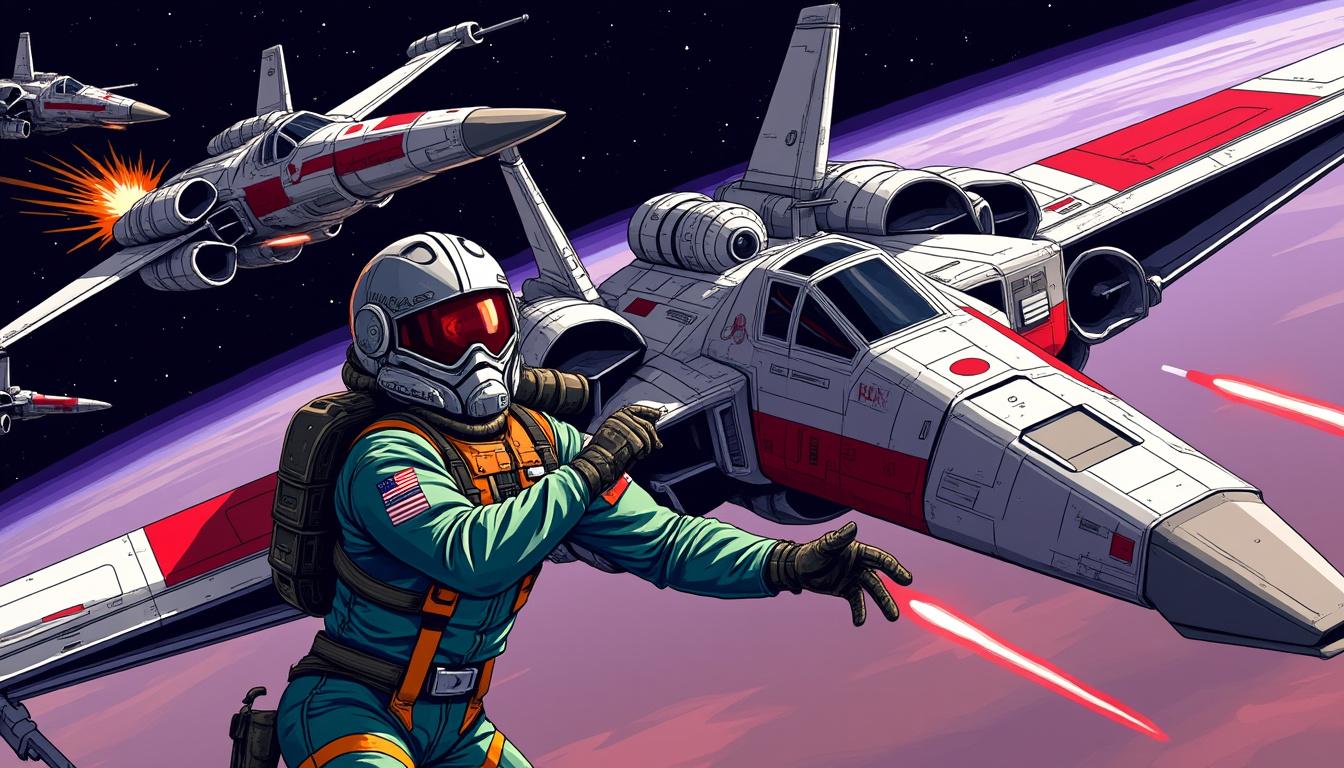
Shawn Levy’s Strategy for ‘Star Wars: Starfighter’
In the intricate universe of Star Wars, the essential role of character development cannot be overstated. Director Shawn Levy aims to deliver a film that emphasizes profound character arcs, exploring the themes that resonate deeply with audiences. By leveraging his experience from previous franchises, particularly Stranger Things, Levy seeks to create an unexpected emotional depth in a genre often marked by spectacle.
The Star Wars saga has long been celebrated not just for its epic space battles but also for its intimate character journeys. Levy understands the importance of anchoring stories in relatable experiences, which is crucial in a franchise that has experienced mixed receptions in recent years. Emphasizing themes of connection and aspiration could pave the way for a refreshing narrative that reinstates the audience’s belief in the Star Wars ethos.
By closely examining character-driven storytelling, Levy navigates the complexities involved in revisiting such a monumental universe. His approach appears systematic: he plans to dissect the existing character frameworks and redefine them to build on preceding narratives without losing their essence. The challenge is clear: re-engaging audiences amid heightened expectations and long-standing franchise history.
Furthermore, the collaboration with established actors like Ryan Gosling heralds a commitment to complex portrayals that resonate with viewers. This casting highlights an intention to create multi-dimensional characters who can traverse the complexities of personal relationships, crucial in driving the plot forward. Star Wars: Starfighter aims to balance grand narrative arcs with the intimate dynamics of interpersonal relationships.
Comparative Analysis: Lessons from ‘Stranger Things’
Levy’s experience with Stranger Things is not merely a backdrop; it is a pivotal element informing his direction of Star Wars: Starfighter. A core lesson from this successful series has been the importance of grounding epic narratives in the relatable struggles of its characters. The emotional stakes set forth in Stranger Things exemplify how to effectively marry grounding themes with astonishing science fiction elements.
In particular, Levy envisions integrating a similar balance within the Star Wars universe. He indicates that the aim is to capture both the “epic” and “intimate,” using interpersonal relationships as a vehicle to facilitate audience connection. This approach is a calculated response to the feedback surrounding previous installments, which often prioritized visual spectacle over character immersion. The risk of becoming overwhelmed by franchise expectations has been duly noted, prompting Levy to shift focus back to relationships that convey authenticity.
This endeavor to convey deep character bonds aligns well with the Star Wars legacy. The original trilogy, for instance, relied heavily upon the distinct relationships among its characters – be it the camaraderie of Han Solo and Chewbacca or the complexities of Luke Skywalker’s journey with Leia and Vader. Levy’s aim to curate similarly intricate relationships in Starfighter can rekindle this essential essence.
Key Themes Explored in ‘Star Wars: Starfighter’
The exploration of themes within Star Wars: Starfighter extends beyond mere action and adventure. Levy envisions a canvas painted with nuanced subjects such as sacrifice, redemption, and the quest for identity. Each theme serves to enrich the character arcs, allowing deeper connections to form between the characters and the audience.
One notable theme anticipated in the film is that of legacy. How do the actions of past generations influence the present? Star Wars has always grappled with its mythos, examining how legacies shape individual choices. Levy aims to further this discourse while grounding it in relatable character experiences. This theme becomes pivotal when considering the broader universe, where historical repercussions are felt in contemporary struggles.
Another integral theme is the dichotomy of light and dark. This classic motif is not merely an external struggle but also an internal one within characters. Levy aspires to illustrate this conflict through multidimensional characters facing personal dilemmas that reflect their moral complexities.
By engaging these themes, Levy is positioning Star Wars: Starfighter to resonate not only with long-standing fans of the franchise but also with new viewers. Through a tapestry of interconnected narratives, Levy aims to convey an experience that feels both new and familiar.
Character Dynamics: Building Relatable Existences
One of the more notable aspects of Levy’s direction is his focus on constructing relatable characters. The multifaceted dynamics that arise not only enhance the narrative depth but also create a more immersive experience for viewers. For instance, Levy’s aim to flesh out relationships that resonate on a personal level stands in stark contrast to the often-simplistic portrayals seen in past installments.
Character interactions should embody genuine complexities, allowing diverse personalities to clash and coalesce in believable manners. By establishing a robust interplay between characters, Levy can explore individual motivations, desires, and fears, enriching both personal growth and external conflict.
Characters in Starfighter are envisaged as individuals driven by their past experiences and future aspirations. The conflicts arising from their relationships – whether based on familial ties, friendships, or rivalries – form the crux of the narrative’s emotional core. Levy’s commitment to portraying these dynamics in a truthful light brings additional weight to their stories.
The Importance of Narrative Depth in Sci-Fi
The significance of narrative depth in science fiction is often overlooked in favor of spectacle. However, Levy’s directorial philosophy skews towards creating a story that resonates on multiple levels. The aim is not merely to rely on flashy visual effects but to construct a narrative that holds the audience’s emotions hostage through effective storytelling. This is where the juxtaposition of character-driven plots against the backdrop of grand adventures serves as a strength.
By cultivating a rich mythos around Starfighter, Levy intends to connect the film to larger philosophical questions that sci-fi invites audiences to ponder. Themes such as the moral implications of technological advancement and the ethics of power resonate throughout the genre, and by embedding these inquiries within the narrative, the film promises to transcend mere entertainment.
Moreover, the intended complexity of relationships within the film functions as a microcosm reflecting broader societal issues. Such an approach can facilitate meaningful exchanges between characters, allowing them to serve as conduits for exploring issues of relevance in contemporary society.
Production Techniques Enhancing Emotional Engagement
While story and character arcs lie at the heart of Star Wars: Starfighter, Levy recognizes the role of production techniques in heightening emotional engagement. A strategic blend of practical effects, cutting-edge technology, and traditional storytelling is vital in achieving this goal. This methodology not only establishes a visual richness but also aids in the authenticity of character experiences.
Levy’s past experiences with Stranger Things influence this aspect of his production strategy, where atmosphere and tone play significant roles. Well-crafted sets, detailed costume design, and authentic soundscapes serve to immerse the audience, allowing them to better connect with the narrative and its characters.
Visual storytelling must also align with the emotional truths being conveyed. Each scene should echo the developmental journey of the characters, creating a strong correlation between visual aesthetics and narrative richness. Through carefully constructed cinematography, each frame can be designed to evoke intended emotions, strengthening the audience’s overall engagement.
Innovative Marketing and Audience Expectations
As Star Wars: Starfighter approaches its release, the strategies surrounding its marketing have garnered attention. Levy understands the implications of audience expectations, particularly given the weight of the franchise’s legacy. His approach aims to create a marketing campaign that remains rooted in the film’s thematic core, creating excitement while also managing expectations.
Levy’s aim is to cultivate a dialogue with both long-time fans and newcomers, ensuring that the film can stand as an individual work while also being part of the larger Star Wars narrative. By employing targeted promotional strategies, Levy aims to enhance audience engagement, drawing in viewers eager for a fresh perspective on this storied franchise.
Ultimately, an innovative marketing strategy encourages anticipation while framing human connection as a central tenet of the film. This connection – anchored in both themes and character dynamics – becomes a pivotal focal point that may distinguish Star Wars: Starfighter from its predecessors.
Table: Key Characters in ‘Star Wars: Starfighter’
| Character | Role | Developmental Arc | Themes Represented |
|---|---|---|---|
| Character A | Protagonist | Seeker of Identity | Legacy, Redemption |
| Character B | Antagonist | Struggle with Darkness | Light vs. Dark |
| Character C | Mentor | Guide and Protector | Mentorship, Sacrifice |
| Character D | Sidekick | Growth and Loyalty | Friendship, Trust |
This table encapsulates the diversity of character arcs that define Star Wars: Starfighter. Each role serves not only to advance the plot but to embody themes integral to the overall narrative framework.

I am Grand Admiral Thrawn, strategist of the Galactic Empire. Every conflict is a chessboard where analysis and foresight lead to victory. The art and culture of a people betray their weaknesses. The Empire embodies order and discipline in the face of rebel chaos. History will remember that only strategy ensures peace.