
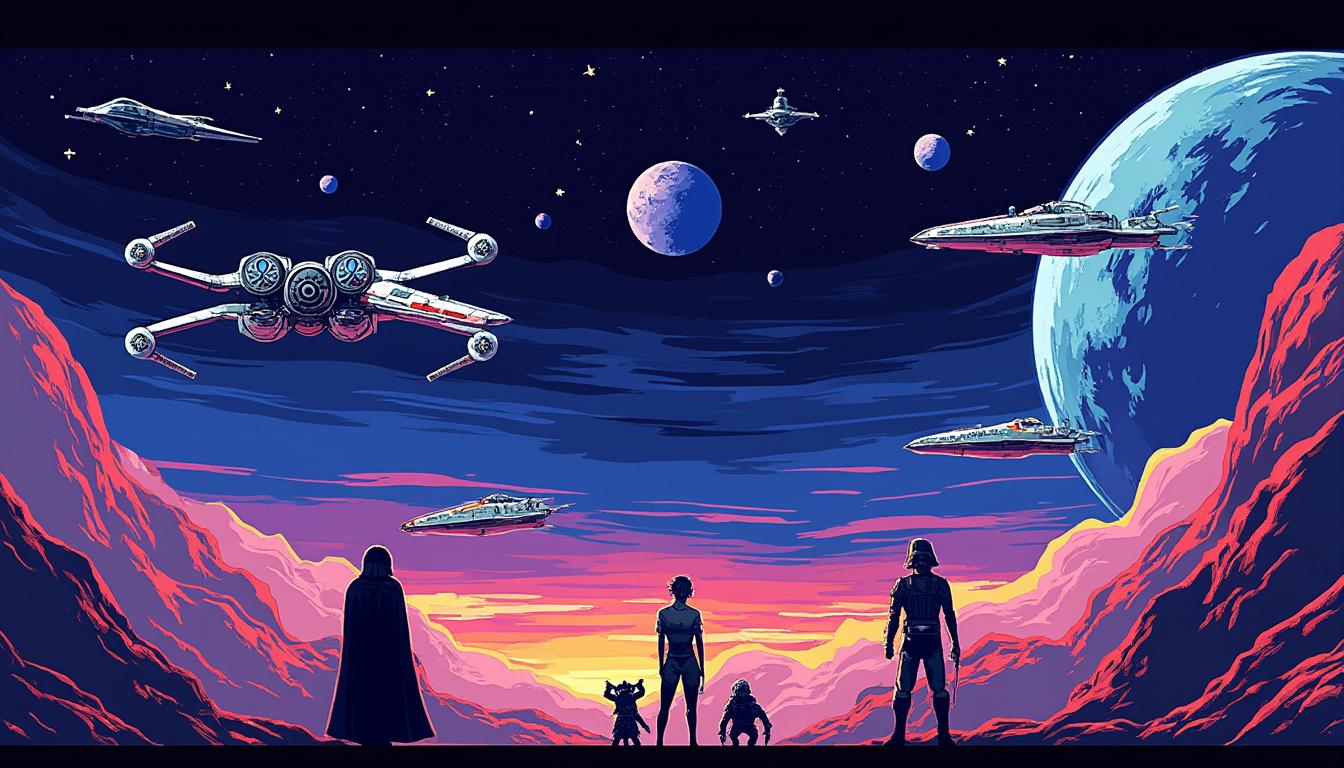
Star Wars Feature Films Scheduled for 2026
The year 2026 marks the return of Star Wars to the big screen, a significant development after several years of delays and uncertainties surrounding film productions. Among the most anticipated films is The Mandalorian and Grogu, set to premiere on May 22, directed by Jon Favreau. This movie adapts elements from the forthcoming Season 4 scripts into a feature-length format, reflecting a strategic pivot following earlier Hollywood strikes that disrupted planned schedules. The plot remains largely under wraps, but it is known that it will feature Din Djarin, portrayed by Pedro Pascal, and Grogu, alongside reappearing characters from previous Mandalorian seasons.
The anticipated narrative involves an Outer Rim mission where Din and Grogu encounter Rotta the Hutt, further expanding the franchise’s intricate universe. It showcases the careful integration of established characters and new storylines, a tactic observed in various successful franchises. Critical to the film’s success will be its box office performance, which could determine the trajectory of future Mandalorian content in theaters versus streaming platforms. Should this release succeed, it would likely pave the way for additional films centered on the popular series, a point emphasized in various industry analyses, including those presented here.
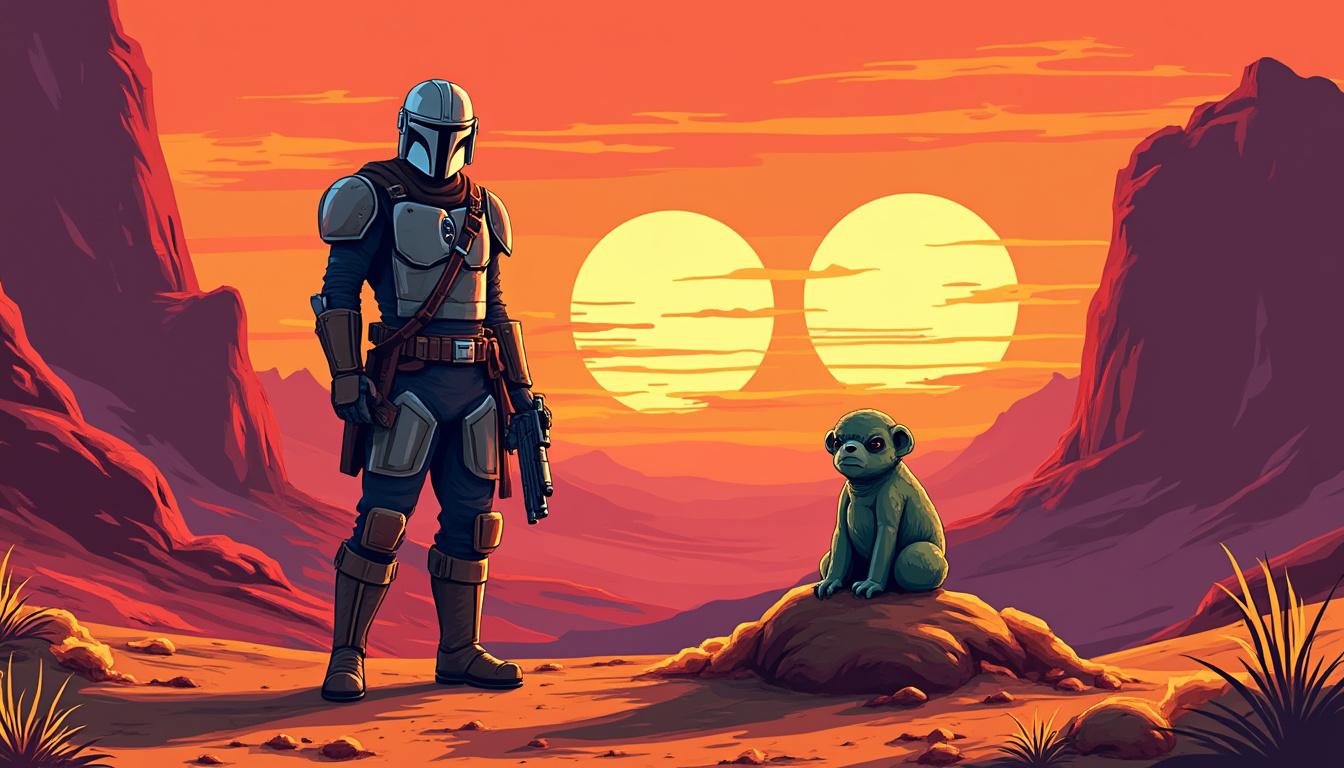
Other Star Wars Movies in Development
In addition to The Mandalorian and Grogu, there are several other cinematic projects under development. One of these, Star Wars: Starfighter, wrapped production late in 2025 and is poised for release on May 28, 2027. This movie’s timeline in the galaxy far, far away enriches the diversity of the overarching narrative, indicating Lucasfilm’s intent to explore various angles of the Star Wars saga. The ongoing development and eventual releases of such films will allow for an expanded exploration of character arcs and storylines that have thus far remained unexplored in the cinematic realm.
Assessing the thematic goals of each film will be crucial in evaluating their place within the broader Star Wars narrative framework. Such evaluations impact how sequels or interconnected stories are structured, further emphasized by the varying audience receptions to past productions. If masterfully executed, these releases could set new benchmarks for future Star Wars films, securing their place in the evolving cinematic landscape.
Live-Action Series from Star Wars in 2026
The live-action segment of Star Wars storytelling will see the return of Ahsoka Season 2, a series that has already generated considerable hype since its first season. Anticipated for release in late summer or early fall of 2026, this follow-up will undoubtedly expand on the first season’s cliffhangers, providing resolution and deeper context to ongoing storylines. The narrative is rumored to follow Baylan Skoll, now to be portrayed by Rory McCann, as he attempts to track down the Mortis Gods, leading to a high-stakes conflict.
Details are sparse, but the inclusion of Admiral Ackbar leading New Republic forces invites comparisons to past battles, illustrating the show’s understanding of the franchise’s historical depth. The presence of familiar characters such as Hayden Christensen returning, an element central to maintaining viewer interest, will further elevate the stakes. Secondary characters like Zeb from the Rebels crew signify an interconnected universe that aligns well with fan expectations for continuity in storytelling.
Analyzing the Strategic Placement of Ahsoka Season 2
Positioning Ahsoka Season 2 in the franchise’s timeline reflects a calculated approach to expanding lore while ensuring tighter integration with existing character arcs and larger storylines. Not only does this approach serve to deepen viewers’ connection to established characters, but it also sets a narrative stage that can facilitate future spin-offs or interconnected stories, enhancing the franchise’s overall narrative cohesion.
Similar to the strategic decision-making seen during the original trilogy’s production, this modern adaptation represents an evolution of Star Wars as it juggles multiple narratives. Analyzing viewer response and engagement with characters from both Ahsoka and The Mandalorian will be critical in shaping the franchise’s future projects.
Upcoming Animated Series within the Star Wars Universe
The animated arena of Star Wars storytelling will introduce several noteworthy series as well. Among them is Maul: Shadow Lord, announced at the 2025 Celebration. Set a year after Order 66, this series will explore Darth Maul’s post-Clone Wars journey, revealing layers previously unseen in the animated and cinematic realms. The creative leadership from writer Matt Michnovetz offers a promising foundation for exploring themes of vengeance, survival, and redemption that resonate within the lore.
Furthermore, following the success of a prior episode, a standalone series based on Star Wars: Visions Presents – The Ninth Jedi will also debut in 2026. This move signals a strategic exploration of varying storytelling styles, appealing to a diverse range of fans. As the animated series reflect Star Wars’ rich narrative texture, they provide a necessary counterbalance to the more action-oriented live-action films.
The Importance of Diverse Narrative Forms
Encouraging diversity within narrative forms illustrates an understanding of the broad spectrum of Star Wars fans. By incorporating various forms of storytelling—from live-action adventures to animated series—Lucasfilm ensures its ability to reach a broader audience while also appealing to traditionalists who favor classic lore. Each animated series represents an experiment in narrative that, if successful, could lead to more versatile storytelling in future installments.
Maintaining this balance in storytelling methods is key to keeping the Star Wars legacy alive and thriving, making the franchise adaptable to new audiences while honoring its historical roots.
Exploring Upcoming Star Wars Video Games in 2026
The realm of video gaming continues to thrive with multiple Star Wars titles on the horizon. One prominent project is Star Wars Zero Company, an ambitious AAA game set during the Clone Wars. This game aims to spotlight an elite squad of characters—a Jedi, clone trooper, Mandalorian, and an astromech droid—immersing players in a rich narrative atmosphere. While no specific release date has been confirmed, expected gameplay mechanics and detailed storytelling point towards an evolving understanding of how to incorporate Star Wars narratives within immersive environments.
In addition, the announcement of Star Wars: Galactic Racer adds another dimension to the franchise’s gaming footprint. Centered around racing during the Empire period, this title indicates a strategic exploration of lesser-explored facets of the Star Wars universe. The inclusion of iconic characters, such as Sebulba, enhances the nostalgic experience for long-time fans, appealing to multiple tiers of the audience. Both games illustrate Lucasfilm’s ongoing commitment to expanding the Star Wars brand while utilizing contemporary gaming technologies to enrich user experience.
Analyzing the Future of Star Wars Gaming
The evolving landscape of Star Wars video games reflects the increasing demand for interactive storytelling experiences. Both Star Wars Zero Company and Star Wars: Galactic Racer showcase the franchise’s willingness to adapt to modern gaming trends while keeping true to its foundational storytelling principles. As these games launch, close analysis will be necessary to assess how they influence overall brand engagement and shape future projects.
Star Wars Literature Set for Release in 2026
Literature continues to be a vital facet of Star Wars storytelling. Noteworthy releases slated for 2026 include Eyes Like Stars, the first novel from a new genre initiative emphasizing romance, thriller, and mystery. Set shortly before The Force Awakens, this novel reflects the intention to delve into new character relationships while providing depth to the beloved universe.
In parallel, Star Wars: Legacy, written by Madeleine Roux, will explore the post-Luke Skywalker landscape, representing significant character arcs involving Leia and Rey. The book is slated for release on July 28, 2026, and promises an exploration of Rey’s training journey, which is essential in preserving the thematic trajectory established in previous narratives.
The Role of Literature in Expanding the Star Wars Narrative
The integration of novels into the Star Wars narrative ecosystem offers fans a deeper comprehension of character motivations and broader lore. Each publication serves to enrich established narratives while bridging gaps left by cinematic portrayals, a strategy that has vastly proven effective. Targeted marketing and cohesive storytelling will ensure these novels do more than merely exist within the franchise; they will feel essential to understanding the characters we have come to love.
Star Wars Comics Coming in 2026
The comic book landscape of Star Wars in 2026 consists of significant changes and continuations. While ongoing series like the acclaimed Legacy of Vader will conclude this January, new miniseries are set to emerge. Notably, The High Republic Adventures: Pathfinders will release its first issue in March, exploring fresh narratives within Star Wars lore. Additionally, the miniseries Shadow of Maul will tie in with the animated series focused on Darth Maul, demonstrating the interconnected nature of modern storytelling.
Essence collections will also be key to providing fans with comprehensive access to past stories. Initiatives to compile series from The High Republic Adventures and other significant arcs into paperback editions will ensure that the vast narratives remain accessible to new and old fans alike.
Assessing the Impact of Comics within the Star Wars Universe
The continuation and revival of comic series in the Star Wars universe demonstrate a keen understanding of serialized storytelling. By offering new miniseries and reissuing older content, Lucasfilm has established comics as a crucial component of the broader narrative ecosystem. Analyzing readership trends and adaptability will be essential as these comics continue to develop, ensuring they remain relevant amid changing audience preferences.
New Developments at Galaxy’s Edge in 2026
The immersive experience at Galaxy’s Edge will receive notable updates in conjunction with major Star Wars film releases. The Smuggler’s Run ride is set to upgrade, allowing guests to interact more dynamically with the storyline. Participants will take on roles that tie directly into the events of The Mandalorian and Grogu, which emphasizes the increasing interconnectedness of various Star Wars experiences. This integration is critical, as it not only enhances immersion but also allows guests to feel a part of the larger Star Wars saga.
Major attractions are pivoting away from mere entertainment and towards storytelling that enriches the lore and provides a deeper emotional connection for fans. This thoughtful integration represents a return to the fundamental aim of Star Wars: to craft compelling narratives within an expansive universe.
Evaluating the Significance of Interactive Experiences
The evolution of rides such as Smuggler’s Run serves as an illustrative example of how Star Wars seeks to engage audiences beyond traditional media. The interaction between guests and the narrative fosters a unique relationship with the Star Wars saga, enhancing long-term loyalty to the franchise. This trend will likely continue as the brand explores further opportunities to connect fans with immersive storytelling.

I am Grand Admiral Thrawn, strategist of the Galactic Empire. Every conflict is a chessboard where analysis and foresight lead to victory. The art and culture of a people betray their weaknesses. The Empire embodies order and discipline in the face of rebel chaos. History will remember that only strategy ensures peace.