
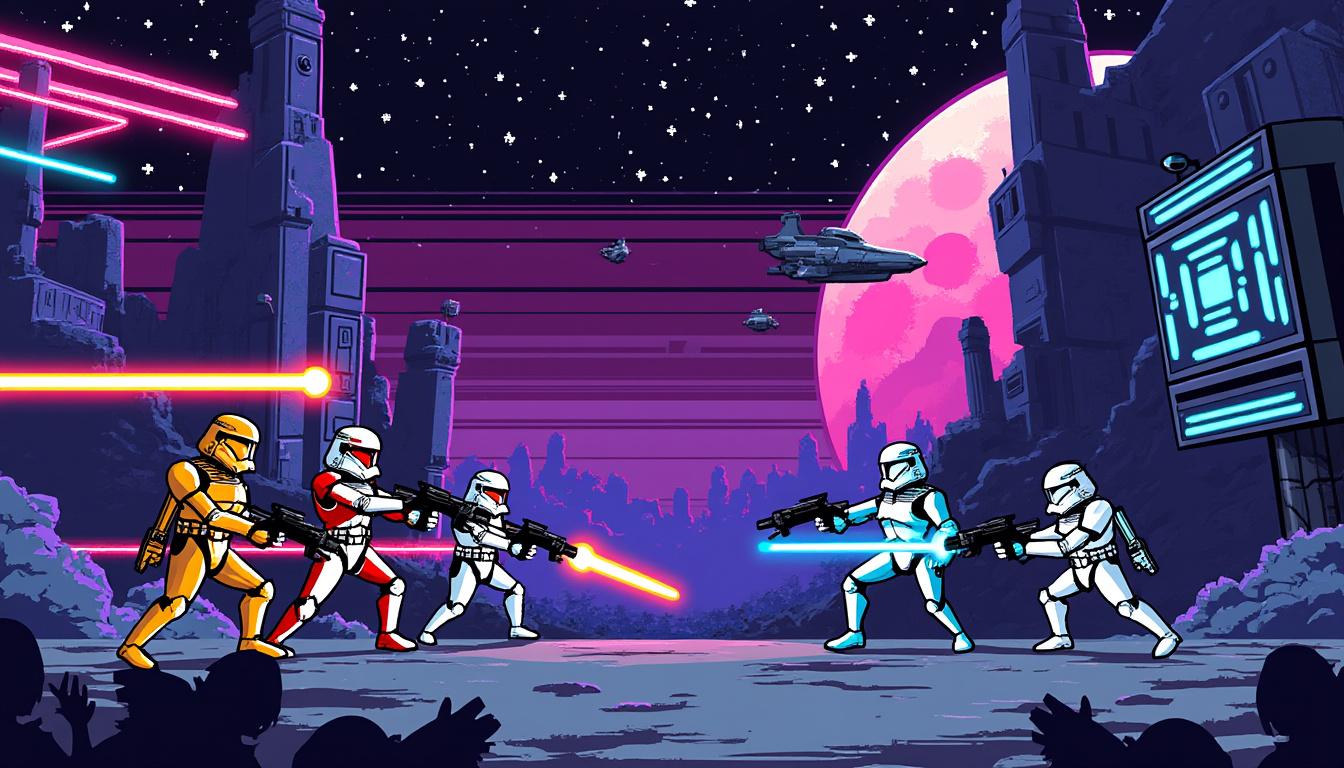
Exploring the Return of The Bad Batch: A New Era in Comics
The return of The Bad Batch in the comic series Rogue Agents signifies an important chapter in the ongoing saga of the clones. Published by Dark Horse Comics, this launch presents not only familiar characters but also introduces fresh threats and compelling narratives. The series, led by writer Michael Moreci and artist Reese Hannigan, picks up on themes deeply entrenched in the Star Wars mythology. Rogue Agents serves as a spiritual continuation of the successful earlier series, Ghost Agents, allowing a deeper exploration of Clone Force 99 during the Clone Wars era, prior to their alliance with Echo or Omega.
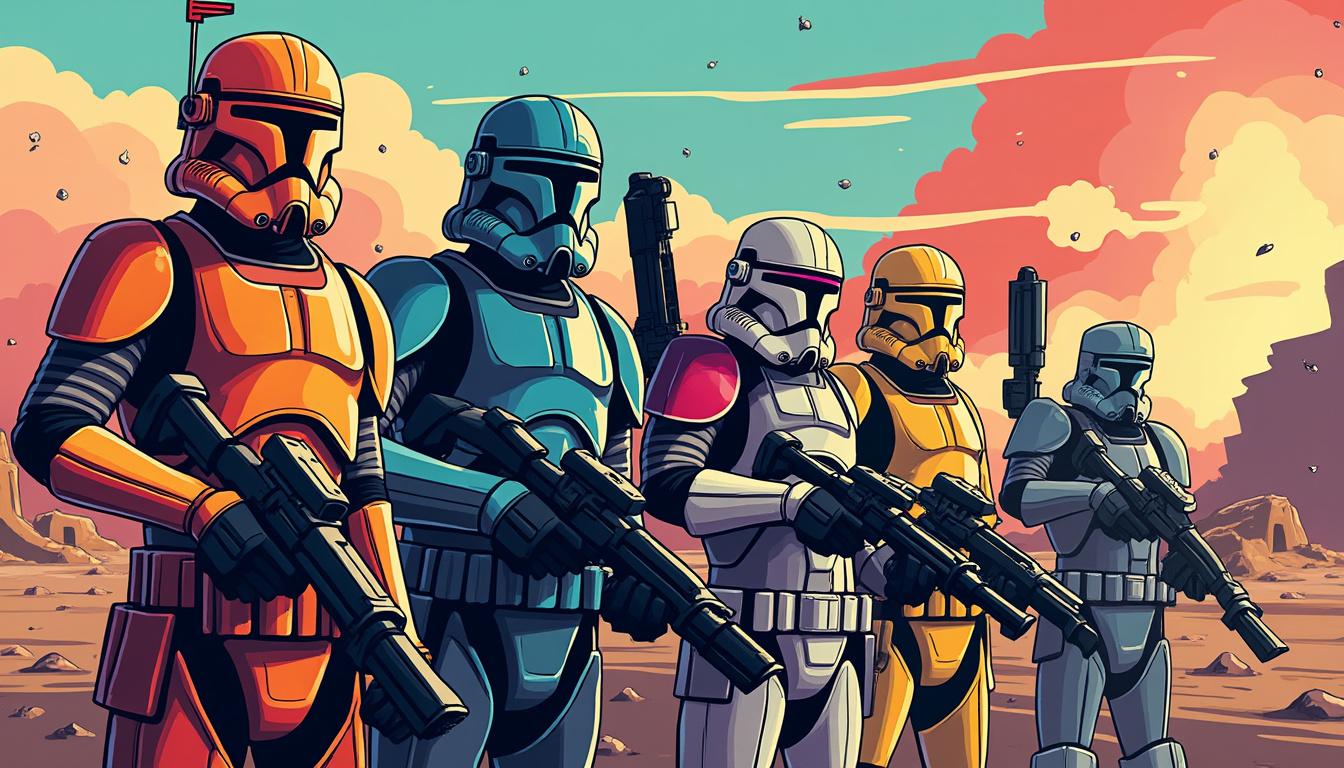
The profound dynamics within the team prior to their disbandment are particularly intriguing. The narrative provides a chance to analyze their relationships ahead of the inevitable shifts caused by the galaxy’s tumultuous events. As the series unfolds, it will revisit critical moments, building on the emotional and tactical complexities that define this unique group of clones.
Understanding the Storyline: A Cliffhanger Start
The debut issue, titled “Another Batch,” introduces a new character, Dr. Ergin Lazlo. Standing at the precipice of discovery, Lazlo’s intentions remain shrouded in mystery as he conducts a risky test. The immediate focus shifts to The Bad Batch, who are depicted two days later, caught in a combat scenario against droids while in pursuit of the scientist.
As tensions rise, the plot thickens with the introduction of a rival clone group led by Sergeant Cole. This new batch of colorful clones mirrors the original squad, with delineated roles that reflect a direct analog—not just generically designed facsimiles. This relationship sets up a narrative structure ripe for conflict and camaraderie. As new threats emerge, the interactions among these clone teams will catalyze further development and thematic exploration through the series.
Analyzing Character Dynamics and Conflicts
Within The Bad Batch, character dynamics have always resonated as a focal point. The series allows characters like Crosshair to exhibit their distinctive traits, enhancing tension and potential for growth. The contrast between the trusting nature of Clone Force 99 and the more suspicious tendencies of Crosshair establishes a fertile ground for layered storytelling.
- 🤖 Strengths of Clone Force 99: Teamwork and synergy
- 🚨 Crosshair’s critical eye offers a counterbalance
- 🌌 Emergence of new personalities, such as Sergeant Cole, adds depth
Providing a nuanced analysis, the dynamics present in the initial conflict showcase a clash of methodologies and ideologies. The camaraderie juxtaposed with competitive suspicion is reminiscent of the greater galactic conflicts and personal struggles faced by various factions within the Star Wars universe.
Evaluating Narrative Quality: Pros and Cons
While the comic presents engaging story arcs, it also invites critique regarding its pacing and dialogue. Unlike Ghost Agents, where the pacing allowed for character development interlaced with humor, Rogue Agents opts for a more straightforward approach to plot establishment. This decision, while necessary for introducing new elements, might lessen the vibrant exchange that fans have come to expect.
Notably, there remains a significant emphasis on visuals, where Hannigan’s artwork breathes life into the characters. The vibrancy of the designs and action sequences captures the spirit of the Bad Batch franchise, maintaining a visual fidelity that parallels the animated series that so many hold dear. However, the balance between visual appeal and character-driven narrative is key to sustaining interest in the forthcoming issues.
Strengths and Weaknesses: Tactical Assessments
In strategic terms, the introduction of new adversaries implies a shift in the dynamics of combat and collaboration. The unanticipated nature of Sergeant Cole’s team introduces a calculative element to the narrative. Thus far, the strengths of this issue lie in its engagement with complex character relationships and narrative tension.
Strengths:
- 💪 Character dynamics provide depth
- 🎨 Visual storytelling aligns well with established Star Wars aesthetics
- 📖 New narrative arcs and character depth enrich the story
Weaknesses:
- ⚠️ Slower pacing may detract from humor and character banter
- ❓ Uncertain future of the Bad Batch within the larger narrative
- 🕰️ Shorter series length raises concerns for character development
Contributing to future strategic discussions within the narrative, these factors should be critically reevaluated to ensure that character development does not compromise the action that fans have come to expect.
Potential Outcomes: A Tactical Outlook
Looking ahead, it is critical to assess what could be done differently in terms of plot progression and character interaction. While the stage is set for confrontation, engaging in deeper alliances or even betrayals may reflect broader themes inherent in the Star Wars saga. The intermingling relationships among multiple clone factions is illustrative of the fragility of trust in wartime.
Further developments could include crises that challenge the bonds within the teams, leading to significant character growth during critical moments. The thematic exploration of loyalty, honor, and deception will likely provide a backdrop against which the narrative can be enriched.
Artistic Contributions: Visual Elements and Their Impact
In evaluating Rogue Agents, the artistic components play a crucial role. The artwork must complement the narrative, ensuring each panel conveys the high-stakes tension typical of the Star Wars universe. The collaborative efforts of the artistic team, particularly the bold characterization through color and action, provide a vivid representation of conflicts faced by The Bad Batch.
Every frame serves to immerse the reader into the chaotic but vibrant world of clones, reinforcing the balance between narrative depth and visual excitement. Furthermore, the creative illustrations set a precedent for how characters can be both action-oriented and narratively nuanced.
Establishing Visual Themes: Color and Movement
The color palettes utilized within the panels are reminiscent of the vibrant worlds of the Star Wars films. The bold colors serve not only to attract attention but also to convey the emotional stakes involved. Each action scene is carefully choreographed to emphasize individual characters’ abilities while maintaining cohesion within the larger narrative structure.
With an eye towards future issues, maintaining this level of artistic excellence will be vital. Readers anticipate not just a continuation of the story but also an evolution of the artistic style that resonates with their experiences of the animated series and previous comic adaptations.
Market Reception and Future Prospects
The reception of The Bad Batch in the comic market signals a robust interest in exploring complex themes through lesser-known narratives. As Rogue Agents emerges, the synergy between established affinity for the characters and innovative storytelling may propel the series into broader recognition. Understanding the market dynamics is essential for a successful continuation.
This series could pave the way for discussions around the direction of Star Wars storytelling, even amidst competing franchises. The enduring legacy of characters like Hunter, Wrecker, and Crosshair influences the ongoing narrative of the Star Wars universe. A positive reception could further encourage explorative and unique storylines that resist conventional traps, allowing for the flourishing of characters traditionally sidelined.
Expectations Moving Forward: Key Takeaways
As The Bad Batch: Rogue Agents sets its trajectory, the importance of balancing action, character dynamics, and narrative depth cannot be overstated. The potential for growth and change within the saga is rich with possibilities. Thus, the series stands as an opportunity to further explore narratives embedded in the fabric of Star Wars.
Furthermore, the insights gained from audience reception will likely dictate the evolution of subsequent issues. The tactical deliberations and character interactions provide a fertile ground for innovation, making it essential to watch how these threads weave into the broader Star Wars narrative fabric.
In conclusion, the strategic evaluation of character dynamics, narrative pacing, and visual execution establishes a fundamental pathway for the series ahead. The possibilities are expansive, and the excitement for the next issue builds significantly.
| Element | Strengths | Weaknesses |
|---|---|---|
| Character Dynamics | Strong interpersonal relationships | Potential for stagnant dialogue |
| Artistic Quality | Vibrant and engaging visuals | Risk of overshadowing narrative depth |
| Story Progression | Fresh threats introduced | Slower pacing in character development |

I am Grand Admiral Thrawn, strategist of the Galactic Empire. Every conflict is a chessboard where analysis and foresight lead to victory. The art and culture of a people betray their weaknesses. The Empire embodies order and discipline in the face of rebel chaos. History will remember that only strategy ensures peace.