
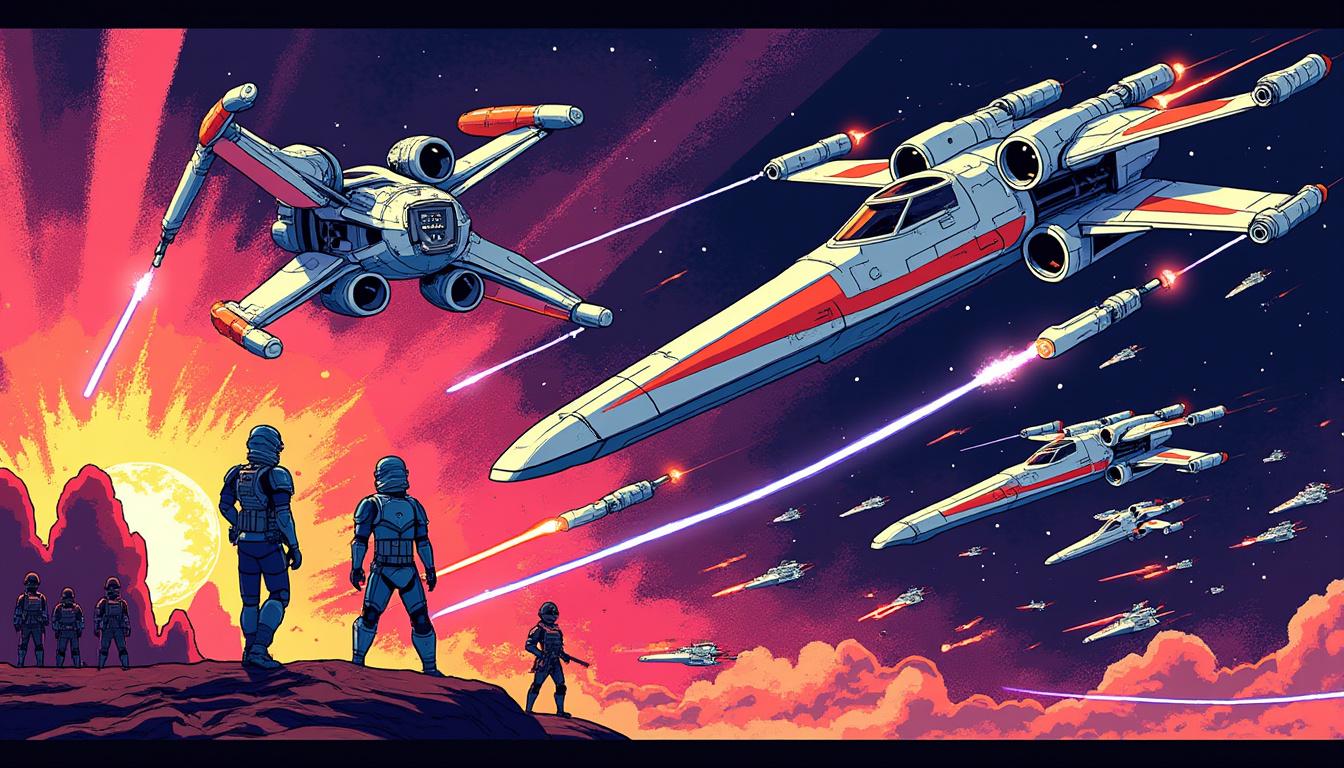
Understanding the Background of the Nagai Rebellion in Star Wars #8
The Nagai Rebellion marks a significant turning point in the current narrative of the Star Wars comics. This issue intricately weaves the tale of the Nagai, a species reintroduced into the franchise’s canon, exploring their struggles for freedom and autonomy amidst the ongoing conflicts of the galaxy. The rebellion takes root after years of oppression by the Fenril Consortium and other adversarial factions, setting the stage for a compelling mix of action and drama, reminiscent of classic galactic conflicts. Recognizing the broader implications of this rebellion is essential, as it echoes the timeless themes of resistance and liberation found throughout the Star Wars saga.

Central to this issue is the character of Reyna Oskure, a figure representing both tyranny and the chaotic nature of power. Her ability to control the Fenril Consortium fleet creates a sense of unease that permeates the narrative. The tension mounts as characters like Luke Skywalker, Han Solo, and a cast of supporting heroes, including Beilert Valance, find themselves enveloped in the unfolding conflict. The stakes are elevated as the heroes strive not only to assist the Nagai in their fight for freedom but also to uncover the secrets that lie behind Oskure’s grip over the Consortium.
An Analysis of Plot Elements and Character Dynamics
In terms of plot development, the eighth episode is replete with rapid-fire pacing that some may view as both a strength and a weakness. While the fast-paced action propels the story forward, it occasionally sacrifices deeper character development that could anchor reader engagement. For instance, new characters are introduced without sufficient backstory, leaving readers wanting more context to complete the emotional landscape of their struggles. The rapid introduction of new Nagai figures heightens the sense of urgency but may alienate readers who seek to forge connections with these characters.
The emotional weight of the story is somewhat diluted by these rushed introductions. Although the Nagai Rebellion carries the promise of thrilling exploits and climactic confrontations, it feels at times like a series of unconnected vignettes instead of a cohesive narrative arc. The previous arcs, which explored themes of oppression, liberation, and camaraderie, set a high standard. The challenge lies in balancing this fast progression while allowing the emotional stakes to resonate deeply with the audience. The characters’ journeys need to reflect their growth and struggles as they face formidable challenges.
Game Plan for Moving Forward: What Could Be Improved?
Strategically, it is crucial to assess how the pacing of the storyline influences the audience’s attachment to key players in the Nagai Rebellion. A deliberate focus on the main characters could provide more substantial connections for readers. Strengthening character arcs through backstory revelations or deeper interactions would enhance the emotional stakes. For instance, providing a glimpse into the persistent bond between Luke Skywalker and Han Solo contrasts sharply with the fleeting interactions between the newer ensemble cast members.
Moreover, the apparent oversight in not illustrating the Nagai‘s plight in greater detail may temper the anticipated excitement for their ultimate liberation. Readers should witness the immediate effects of their rebellion and the dire consequences that come with their choices. This could make their fight feel less like a backdrop to the main plot and more like an integral component of the narrative’s heart. Engaging readers emotionally through established character journey arcs could significantly elevate the overall storytelling.
The Tactical Engagements: A Closer Look at Conflict Dynamics
The interactions between the protagonists and antagonists have strategic implications that are worth examining. The battle that unfolds illustrates the dangers of underestimating one’s foes. When the Zantarr Gang unexpectedly leaves Luke Skywalker unharmed while capturing Rynn, it raises questions about villainous intelligence and decision-making. Such tactical missteps can become critical turning points in the plot, providing opportunities for the protagonists to regroup, strategize, and mount effective counterattacks.
This strategic oversight by the Zantarr Gang reflects a broader theme in the Nagai Rebellion: disregarding the opposition’s capacity for resilience. A true strategist recognizes that every decision has consequences. This pivotal moment allows the heroes to exploit the Gang’s oversight, highlighting the importance of vigilance and adaptability in conflict. Moreover, this turn of events could lay the groundwork for an eventual revelation that Rynn possesses some degree of Force sensitivity, ultimately shifting the tide in favor of the rebellion.
Evaluating the Potential of the Final Confrontation
The impending final showdown with Reyna Oskure carries substantial weight within the narrative. Protagonists such as Han Solo and Beilert Valance face the moral dilemmas that arise from warfare, namely the necessity of making difficult choices to ensure the greater good. Each character must confront their motivations and the legacy of their past decisions. This confrontation with Oskure may mark a definitive turning point for their arcs, allowing them to grow beyond their previous iterations.
The benefit of weaving in character development within the lead-up to confrontations lies in its capacity to provide depth to the action-oriented sequences. It transforms what could be a mere exchange of blaster fire into an emotionally charged event that resonates with both the characters and the audience. The potential for redemption, sacrifice, and reflection can engage the audience deeply, ensuring that the final battle is not merely a spectacle but a culmination of thematic elements painstakingly developed throughout the storyline.
Characters Under Scrutiny: The Relevance of Supporting Cast
Within the context of the Nagai Rebellion, the supporting characters play pivotal roles in shaping the dynamic of the main story. Yet, the adequate integration of these figures remains essential to enhancing the overall impact of the narrative. Characters like Rynn, who carries a significant backstory linked to Luke’s journey, require more time on the page to justify their existence within the storyline. The question arises: how can these characters add value to the overarching plot while ensuring that they don’t detract from the central themes?
Currently, the narrative attempts to juggle multiple leading and supporting roles. Rynn, along with Agent Bastion, contribute to a sense of diversity within the character landscape. However, their presence sometimes feels necessitated rather than organic. To mitigate this, a clearer justification for their inclusion and more moments that showcase their individual motivations can bolster their relevance. Establishing connections between these characters and the key protagonists would allow readers to appreciate the ensemble better, creating an enriched experience.
Establishing Character Connections: Doing More with Less
Character connections serve as the framework upon which the emotional resonance of any story is built. Readers today seek depth; they want to see the characters not merely engage in battle, but also learn and grow together. Establishing connections between the heroic characters and the Nagai not only adds depth to the story but also fortifies the bond between disparate factions. Prompting interactions that enable conflict resolution between characters can lead to revelations that shape their destinies.
As the Nagai Rebellion unfolds, feeding into the dialogue and interactions between characters like Han Solo and Beilert Valance offers a glimpse into their evolving ideologies. Through their camaraderie and shared struggles, the narrative stands to present multifaceted perspectives on heroism and sacrifice. Moments that illuminate their motivations can ground the reader’s understanding of both the stakes involved and the sacrifices made for freedom.
Exploring Thematic Undertones: Freedom and Rebellion in Star Wars
The underlying themes of freedom and rebellion are integral to the Star Wars lore, marking the fight against oppression as both a personal and collective endeavor. The Nagai Rebellion exemplifies this through the struggles of its characters, as they push back against their oppressors. The interplay between rebellion and sacrifice mirrors the experiences of numerous factions throughout the galaxy, drawing parallel lines across various sagas.
By explicitly interweaving these themes into the fabric of the plot, readers are reminded of the cyclical nature of oppression and resistance that resonates throughout this universe. This rich thematic foundation establishes a narrative depth that elevates the story beyond superficial excitement. Providing characters with motivations rooted in the need for freedom enriches their arcs, allowing audiences to engage on a more profound level.
How the Narrative Reflects Greater Societal Challenges
In many ways, the Nagai Rebellion can be viewed as a microcosm of broader societal challenges faced in contemporary discourse. The fight against authoritarianism and the quest for autonomy are themes that reverberate within real-world contexts. By tackling these issues through the lens of a sci-fi narrative, the story invites readers to consider the implications of their societal structures.
This examination prompts crucial discussions about the sacrifices made in the name of freedom and the moral dilemmas presented in warfare. Framing the characters’ struggles in this broader societal context enables readers to draw parallels and reflections on their realities, forging deeper connections with the material. Such engagement ensures that the Nagai Rebellion remains captivating and relevant to fans of the Star Wars franchise.
Looking Ahead: The Future of the Nagai Rebellion and Star Wars Comics
The journey of the Nagai Rebellion does not end with this issue; it is merely a chapter in the larger narrative landscape of the Star Wars universe. Understanding how this storyline evolves will depend on the creative choices made by the writers and artists moving forward. Will they maintain the current trajectory, or will they recalibrate to favor deeper character development and emotional resonance?
Balancing the fast-paced action with emotional stakes will be crucial in solidifying the Nagai Rebellion as a memorable arc within the series. There lies immense potential in the backdrop of violence and turmoil to delve even deeper into the motivations driving the characters forward, ensuring their struggles resonate with readers.
A Call to Action for Future Storylines
This issue serves as a reminder of the importance of careful storytelling. A focus on character relationships and interconnectedness can invigorate plots, replacing rushed narratives with nuanced storytelling. As the Nagai Rebellion progresses, the onus lies on the creators to harness the perfect equilibrium between action and narrative depth.
By doing so, they will create a cohesive experience that honors the core values of the Star Wars mythos and provides readers with memorable and meaningful insights into the fabric of the galaxy far, far away.

I am Grand Admiral Thrawn, strategist of the Galactic Empire. Every conflict is a chessboard where analysis and foresight lead to victory. The art and culture of a people betray their weaknesses. The Empire embodies order and discipline in the face of rebel chaos. History will remember that only strategy ensures peace.