
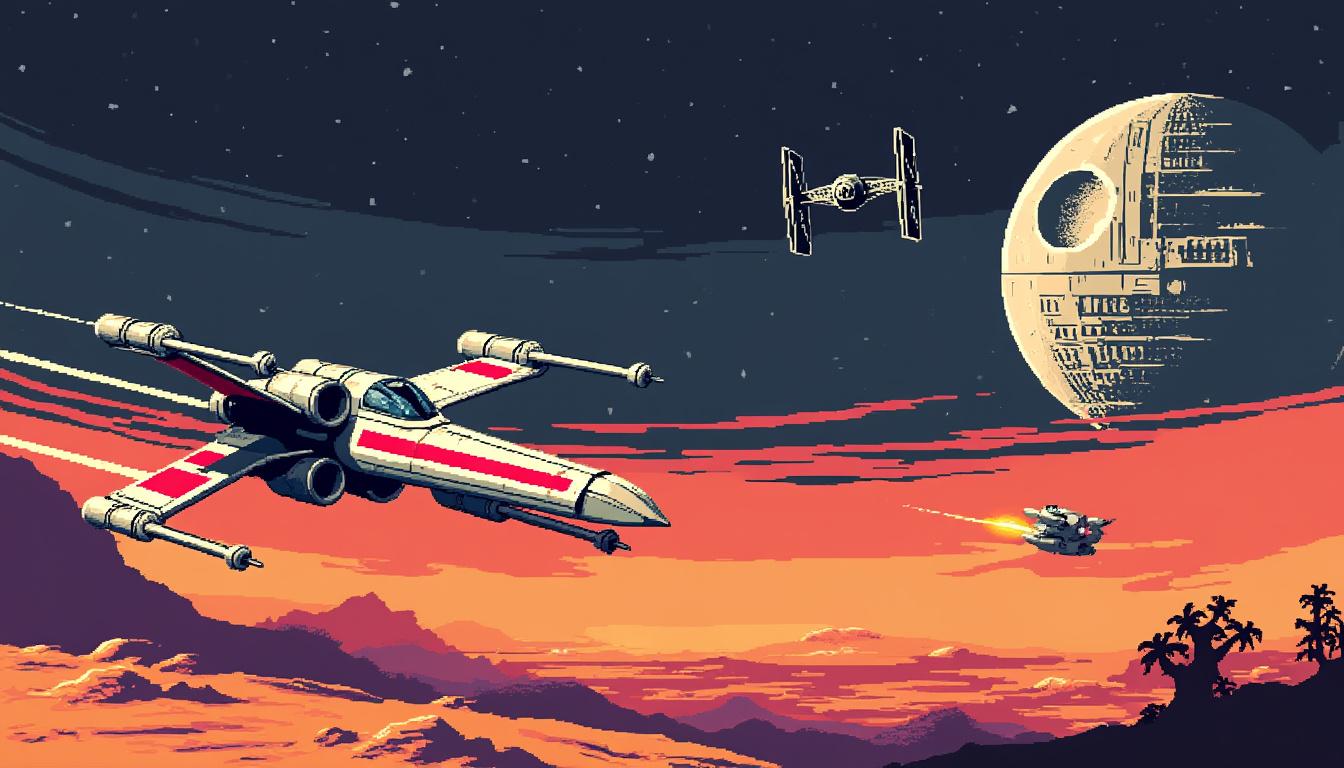
The Allure of Galactic Narratives
Galactic sagas have woven their way into the fabric of modern entertainment, drawing audiences with themes that resonate widely across cultural, social, and technological landscapes. This attraction is not just accidental; it signifies a deeper yearning for exploration, adventure, and a kind of escapism that transcends the ordinary. The Star Wars saga exemplifies this phenomenon, showing how narratives featuring galactic empires, interstellar battles, and diverse characters can engage audiences at profound levels.

These narratives frequently explore the dichotomy of good versus evil, framed within a majestic cosmos filled with highly imaginative worlds. The grandeur of space, filled with potential for discovery and conflict, provides fertile ground for storytelling—a backdrop where human emotions and aspirations can be projected. From characters embodying heroic arcs to the intricate politics of empires, the appeal is multifaceted.
Cultural Resonance Through Science Fiction
Science fiction, particularly in forms influenced by franchises like Star Wars, has served as a reflector and shaper of societal values. It fosters speculation on humanity’s future, ethical implications of technology, and our place within the universe. The narratives within these sagas often echo pressing themes such as:
- Identity and Belonging: Characters often grapple with their roles within larger narratives.
- Power Dynamics: The rivalry between empires such as the Galactic Empire and the Rebel Alliance illustrates the struggle for power.
- Environmental Awareness: Issues facing particular societies can draw parallels to our own challenges.
This blend of engaging storylines and societal reflection does not just entertain; it invites viewers to contemplate significant moral and philosophical questions through the lens of fantastical settings.
Visual and Auditory Impact
One cannot overlook the role of visual and auditory elements in enhancing the appeal of these stories. The striking visuals of Star Wars, from lightsabers to starships, create an immersive experience that captivates audiences instantly. This aspect is complemented by sound design—recognizable sound effects such as the hum of lightsabers or the roar of TIE fighters add depth and familiarity to the viewing experience.
These sensory experiences create a connection that is hard to replicate. Other franchises, like Mass Effect or Halo, strive to reach similar levels of engagement, employing advanced graphics and sound design to pull players into their respective universes. However, the unique aesthetic of Star Wars remains a benchmark within the industry.
| Franchise | Key Visual Elements | Signature Sound Effects |
|---|---|---|
| Star Wars | Lightsabers, Spaceships | Lightsaber hum, TIE Fighter roar |
| Mass Effect | Alien Worlds, Biotic Powers | Gunfire, Biotic explosion sounds |
| Halo | Space Battles, Unique Vehicles | Weapon sounds, Vehicle engines |
These distinctions highlight how narrative vehicles like Star Wars utilize audio-visual storytelling to carve out a permanent place in the cultural psyche.
The Evolution of Galactic Sagas in Digital Entertainment
The emergence and evolution of digital entertainment have profoundly influenced how galactic sagas are portrayed. As technological advances reshape audience expectations, the delivery methods for these narratives have adapted accordingly. Gaming, streaming, and virtual reality are critical vectors through which stories are disseminated and experienced.
Digital platforms offer interactive experiences that traditional media cannot match. For instance, gaming titles such as Star Wars Jedi: Fallen Order or the structurally complex Elite Dangerous allow players to navigate expansive universes, crafting their own narratives. This interactivity invites deeper engagement, as players forge destinies that intertwine with established lore. The significance of player agency in creating personal connections to these narratives cannot be understated.
Integrating Technology and Narrative
As the market demands richer experiences, developers are seeking to integrate augmented and virtual reality into storytelling. This innovative approach presents new challenges and opportunities for franchises like Star Wars. Imagine donning a VR headset and stepping onto the Death Star, experiencing pivotal moments as if they were happening in real time.
- Increased Interactivity: Players make narrative-altering decisions.
- Immersive Experiences: Full sensory engagement transports audiences into the universe.
- Collaborative Storytelling: Multi-user engagements further deepen the narrative tapestry.
This shift into immersive experiences allows for significant narrative depth while maintaining the thrilling allure of adventure. In films and series, applying these technologies can redefine audience engagement and investment in the storyline, setting a precedent for future developments across the spectrum of digital media.
The Impact of Licensing on Galactic Franchise Expansion
The expansion of beloved franchises often intersects with licensing opportunities. The Star Wars franchise exemplifies how strategic licensing can expand brand presence while attracting fans through various mediums, such as video games, merchandise, and now, slot machines in casinos.
In recent years, branded slots featuring characters and themes from Star Wars have become prevalent on casino floors, capitalizing on the franchise’s extensive fanbase. This trend reflects a broader shift toward branded entertainment across various sectors of digital and physical entertainment.
| Franchise Opportunity | Guards on Slot Machines | Potential Revenue Impact |
|---|---|---|
| Star Wars | Iconic characters, sound effects | Possible high returns due to fandom |
| Game of Thrones | Complex storylines, fan engagement | Strong presence in casinos |
| Friends | Familiar characters, nostalgic appeal | Attractive to various demographics |
The challenge lies in balancing the costs associated with licensing. The financial implications can often dictate whether these branded slots will successfully carve a niche or struggle against competition. Assessments of revenue streams from various slot machines reveal critical insights into the viability of maintaining and expanding branded offerings.
Competition Among Galactic Themes
In the crowded landscape of digital entertainment, franchises like Star Wars face significant competition from varied sources. The influx of narratives stemming from other universes, such as Star Trek, Guardians of the Galaxy, and The Expanse, demonstrates the multitude of options available to consumers. As these narratives have deep roots in popular culture, they vie for attention in an increasingly competitive environment.
Strategic Positioning of Franchises
The success of any franchise relies not solely on its fanbase but how effectively it can position itself amid growing competition. Different franchises utilize unique strategies to captivate audiences:
- Distinct Narrative Tone: Each franchise often has a signature voice that attracts specific demographics.
- Character Relatability: Fostering emotional connections through relatable characters enhances retention.
- Innovative Cultural Tie-ins: Capitalizing on current events or societal trends to enhance relevance.
These strategies underline how franchises must evolve not only through storylines but through cultural relevance. As popular trends shift, so too must the narratives designed to captivate modern audiences.
Strategic Challenges in Adaptation and Integration
With the rise of digital entertainment, adapting successful formulas from one medium to another becomes a tedious endeavor. Star Wars, despite its monumental success, faces challenges in ensuring its narratives remain relevant and entertaining across all platforms.
To this end, understanding audience sentiment becomes crucial. Continuous feedback loops must inform development processes, ensuring that adaptations resonate with existing fanbases while attracting new fans. Projects must continually assess:
- Audience Diversity: How well does the franchise cater to varied demographic groups?
- Story Evolution: Is the storyline still captivating and interesting?
- Technological Integration: Are the newest technological developments being utilized to enhance the experience?
Leaders in development must remain keenly aware of these factors to propel the narratives forward while respecting their roots.
Conventional vs. User-driven Narratives
In examining the future of galactic sagas, the distinction between conventional storytelling and user-driven narratives emerges as a pivotal focus. Traditional storytelling methods often prioritize authorial control over artistic interpretation, whereas user-driven narratives embrace a more decentralized approach.
This shift toward user-driven narratives allows for collaborative storytelling, where fans can to some extent shape the storyline based on their interactions. The advent of platforms such as fanfiction websites illustrates how audiences can push narratives beyond initial boundaries. In franchises like No Man’s Sky and Destiny, user-driven mechanics play a significant role in enhancing engagement, as players share their personal experiences and discoveries.
| Traditional Narrative | User-driven Narrative |
|---|---|
| Author-centric, predefined endings | Collaborative, multiple outcomes |
| Linear storytelling | Dynamic experiences based on interaction |
| Limited audience engagement | High levels of community involvement |
This evolution represents a fundamental shift in storytelling dynamics that could redefine how galactic sagas capture and hold onto audience interest.

I am Grand Admiral Thrawn, strategist of the Galactic Empire. Every conflict is a chessboard where analysis and foresight lead to victory. The art and culture of a people betray their weaknesses. The Empire embodies order and discipline in the face of rebel chaos. History will remember that only strategy ensures peace.